ISAMU NOGUCHI MUSEUM
- Isamu Noguchi
9-01 33rd Rd, Queens, NY 11106
Isamu Noguchi was born in 1904 in Los Angeles to an American mother and a Japanese father and lived in Japan until age thirteen. After studying pre-medicine at Columbia University, he took evening sculpture classes and left university to become a sculptor. In 1927, he went to Paris to work in Constantin Brâncuși's studio, an experience that profoundly shaped his approach to materials and form.
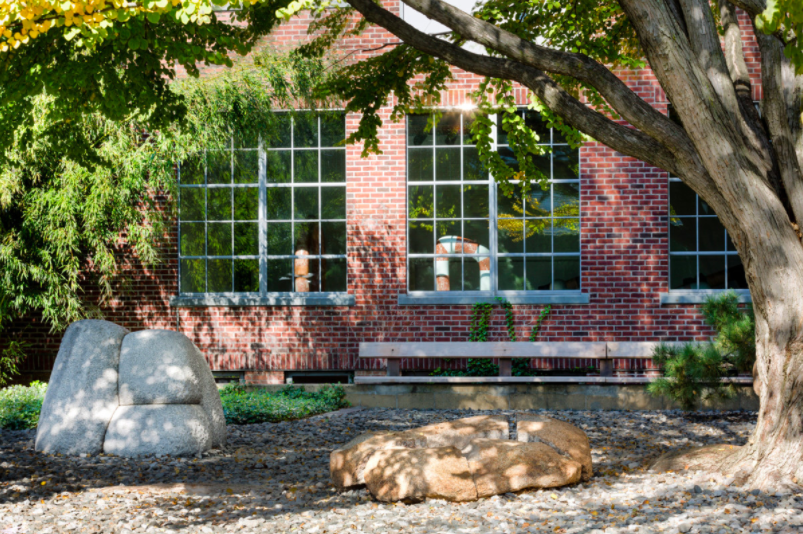
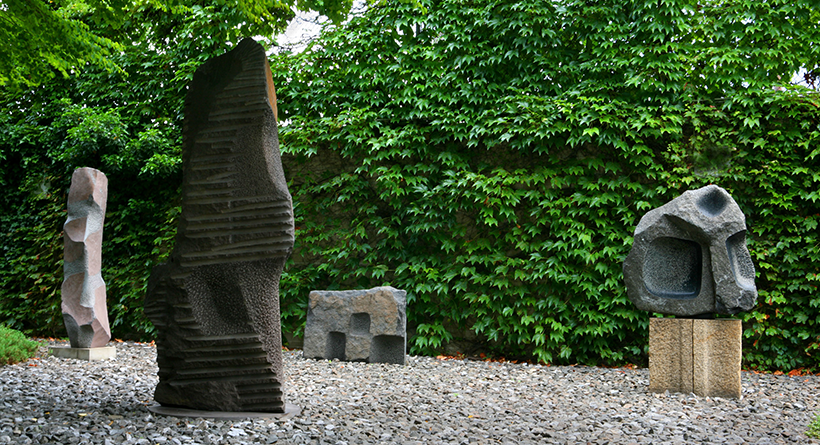
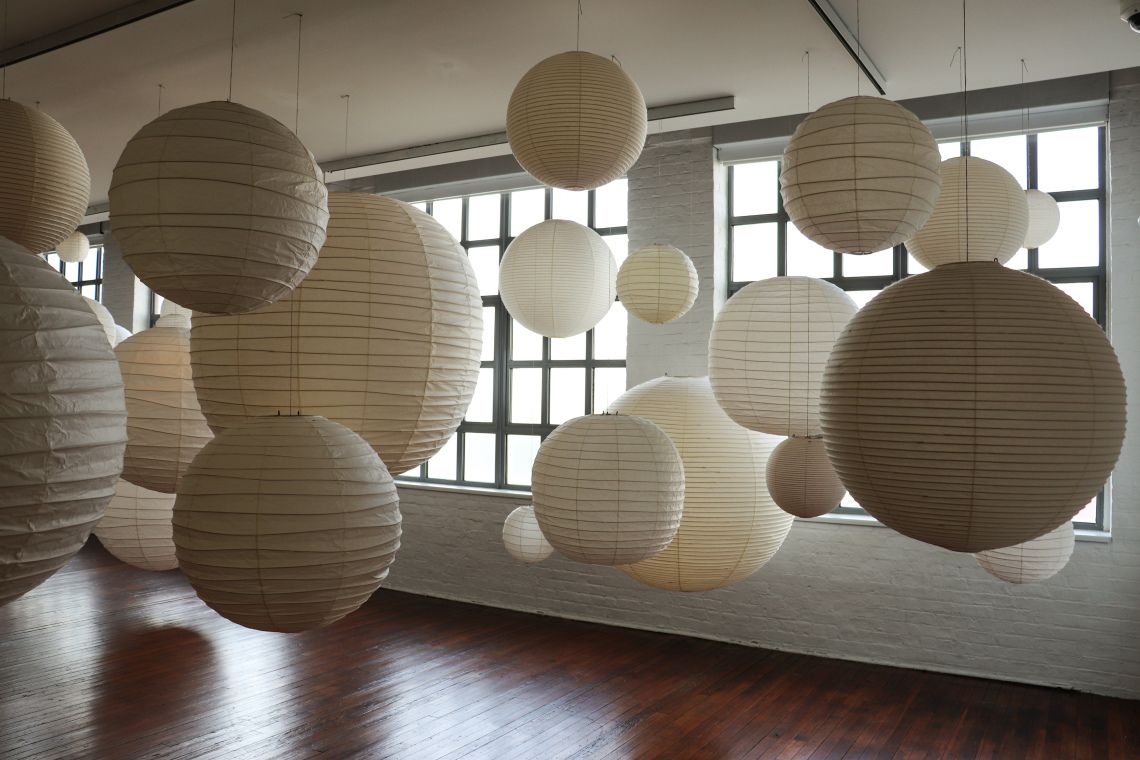
Noguchi spent his lifetime experimenting across disciplines: sculpture, gardens, furniture and lighting designs, ceramics, architecture, and set designs. He traveled extensively, incorporating impressions from his journeys into his work. His major projects include bridges at the Hiroshima Peace Park, Moerenuma Park in Sapporo, the garden at UNESCO headquarters in Paris, and an line of modern furniture, including the iconic Noguchi Coffee Table and Akari light sculptures.
The Japanese attack on Pearl Harbor and backlash against Japanese Americans had a dramatic personal effect on Noguchi. In 1942, he cofounded Nisei Writers and Artists Mobilization for Democracy and voluntarily entered the Colorado River Relocation Center in Arizona, where he remained for six months. Following his release, he set up a studio at 33 MacDougal Alley in Greenwich Village.
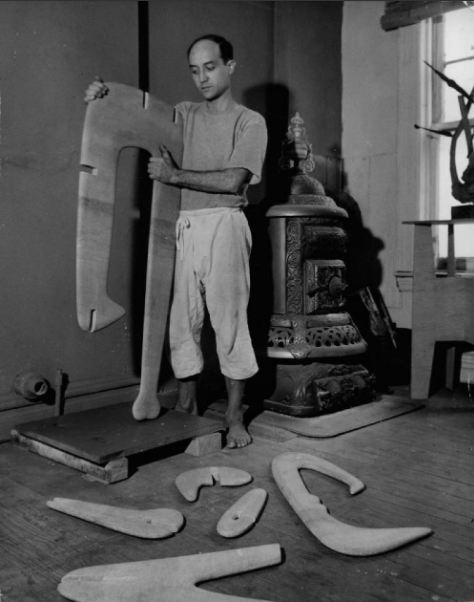
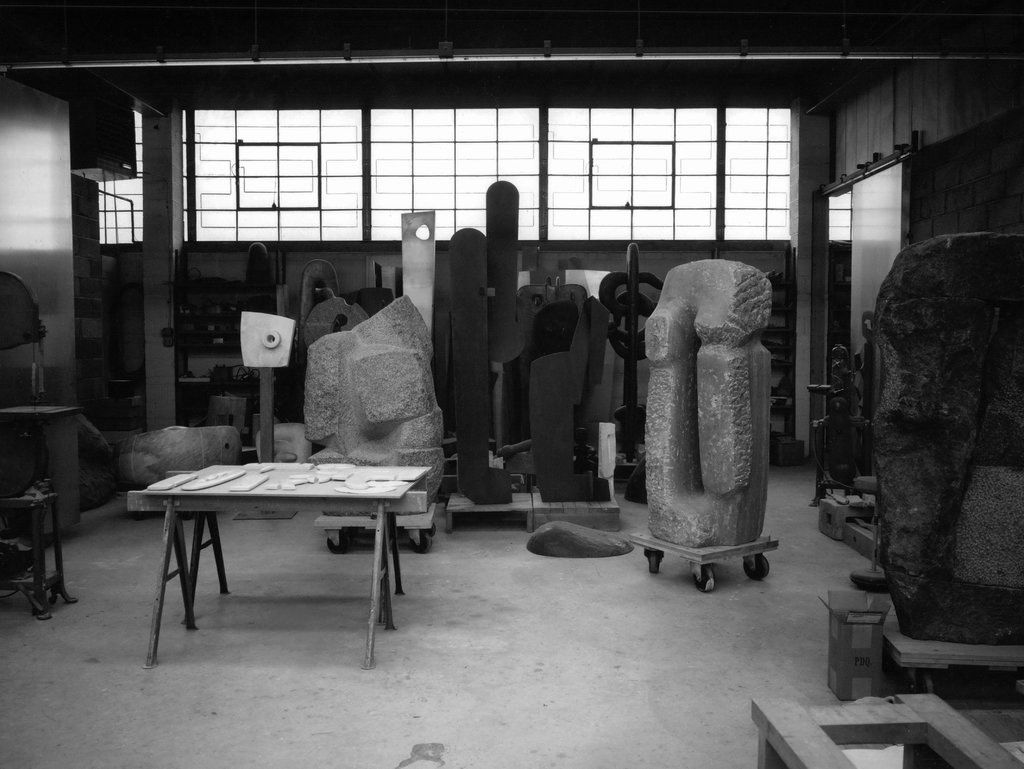
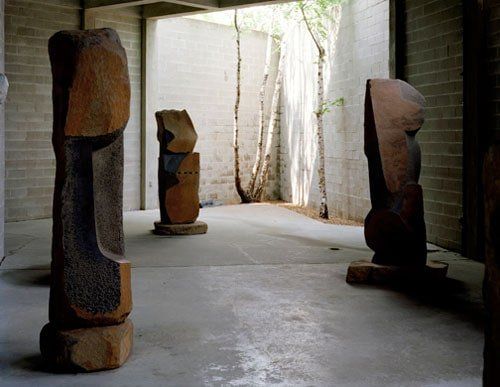
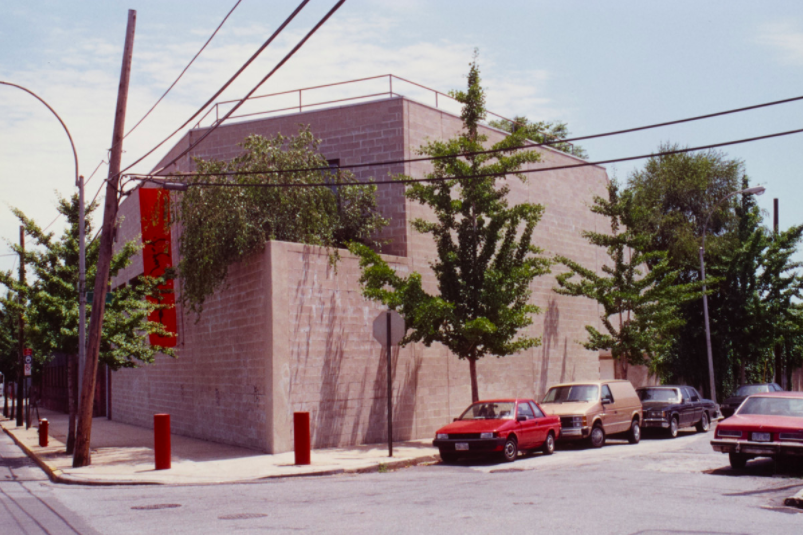
In 1960, Noguchi established a studio in Long Island City, Queens, in a 1920s industrial building. By 1974, he purchased a vacant lot and abandoned factory building across the street. Over the next decade, he transformed these neglected spaces into a haven where he could display his life's work. When a 60 foot tall Tree of Heaven grew in the back lot, Noguchi spared it during cleanup, and the sculpture garden was designed around the tree.
The Isamu Noguchi Garden Museum opened to the public on May 11, 1985, becoming the first museum in America to be established, designed, and installed by a living artist to show their own work. Noguchi personally selected and arranged everything, creating what he envisioned as a total work of art.
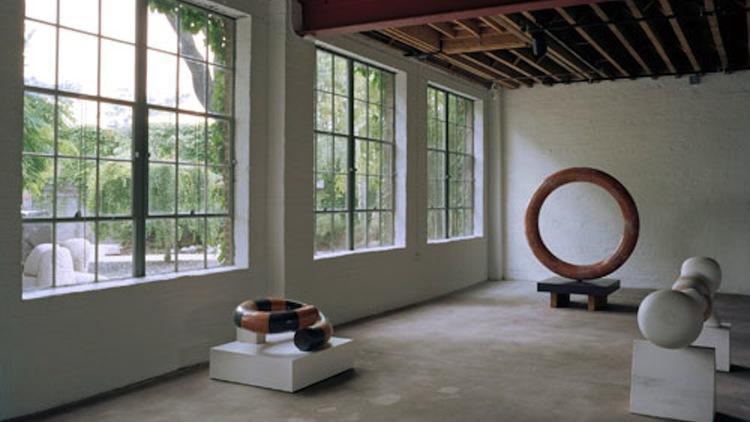
When Noguchi died on December 13, 1988, architect Shoji Sadao, his longtime collaborator since the 1950s, served as director until 2003. Today, The Noguchi Museum features 27,000 square feet of gallery space across two floors, housing the world's largest collection of Noguchi's works with over 200 sculptures, numerous architectural models, drawings, stage designs, and personal artifacts. The serene outdoor sculpture garden integrates Noguchi's vision of art harmonized with nature and architecture.