ROTHKO CHAPEL
- Mark Rothko
3900 Yupon at Sul Ross, Houston, TX 77006
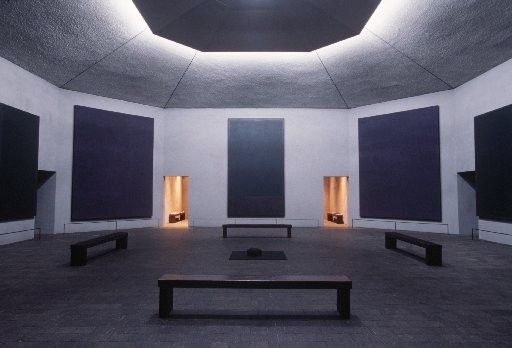
The Rothko Chapel in Houston, Texas was completed in 1971 and commissioned by art collectors and philanthropists John and Dominique de Menil. The de Menils envisioned a sacred space that would serve as a place for meditation open to people of all faiths or no faith.
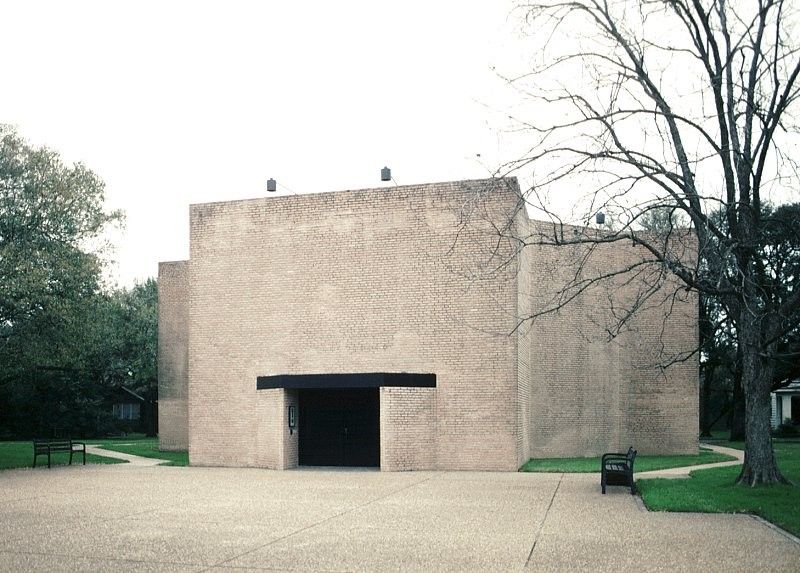
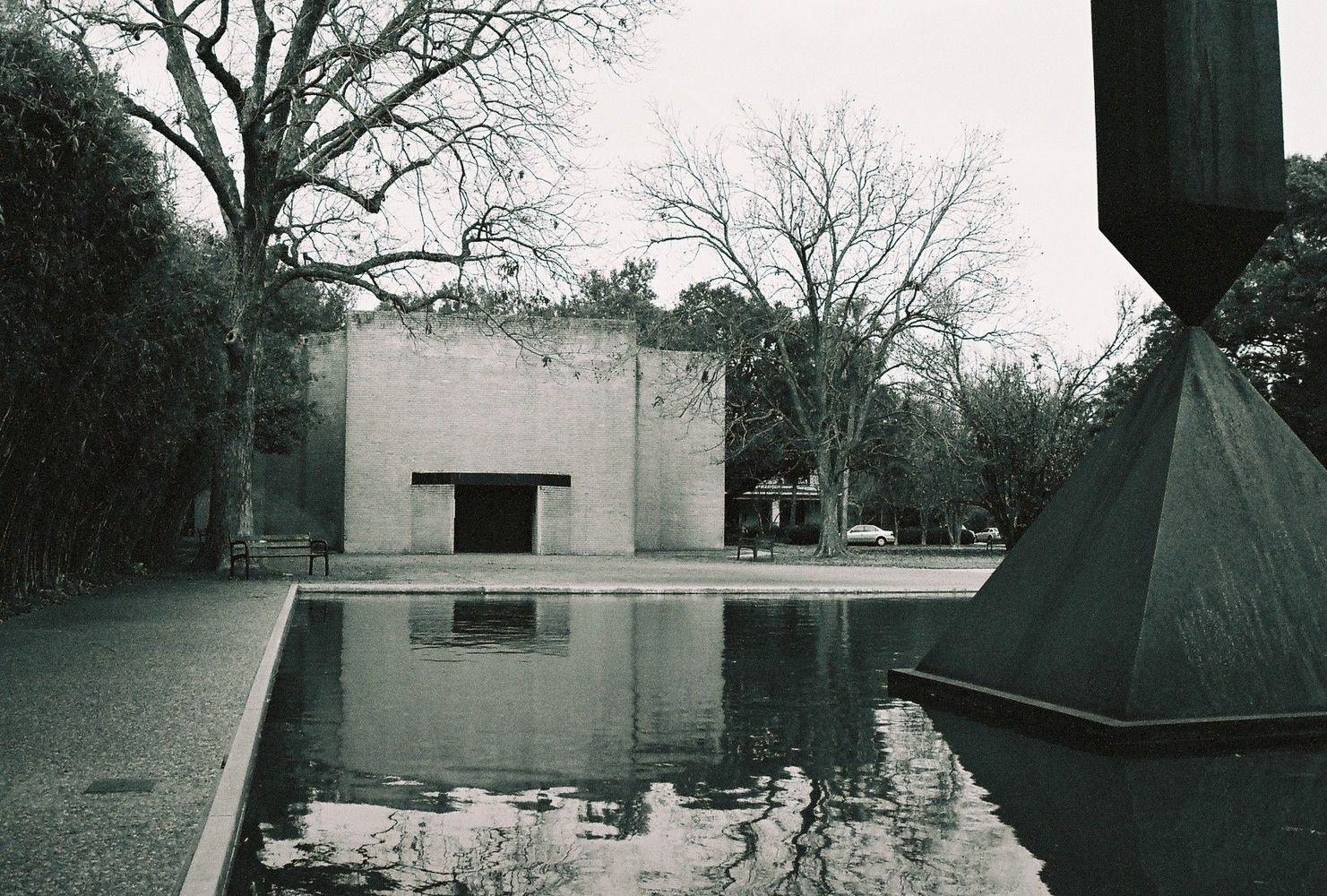
Artist Mark Rothko was commissioned in 1964 to create the interior artworks. The project was originally designed by architect Philip Johnson, but after clashing with Rothko over the artist's vision, the project was turned over to Houston architects Howard Barnstone and Eugene Aubry. Rothko wanted complete control over how his paintings would be experienced, insisting on specific dimensions, lighting conditions, and architectural details.
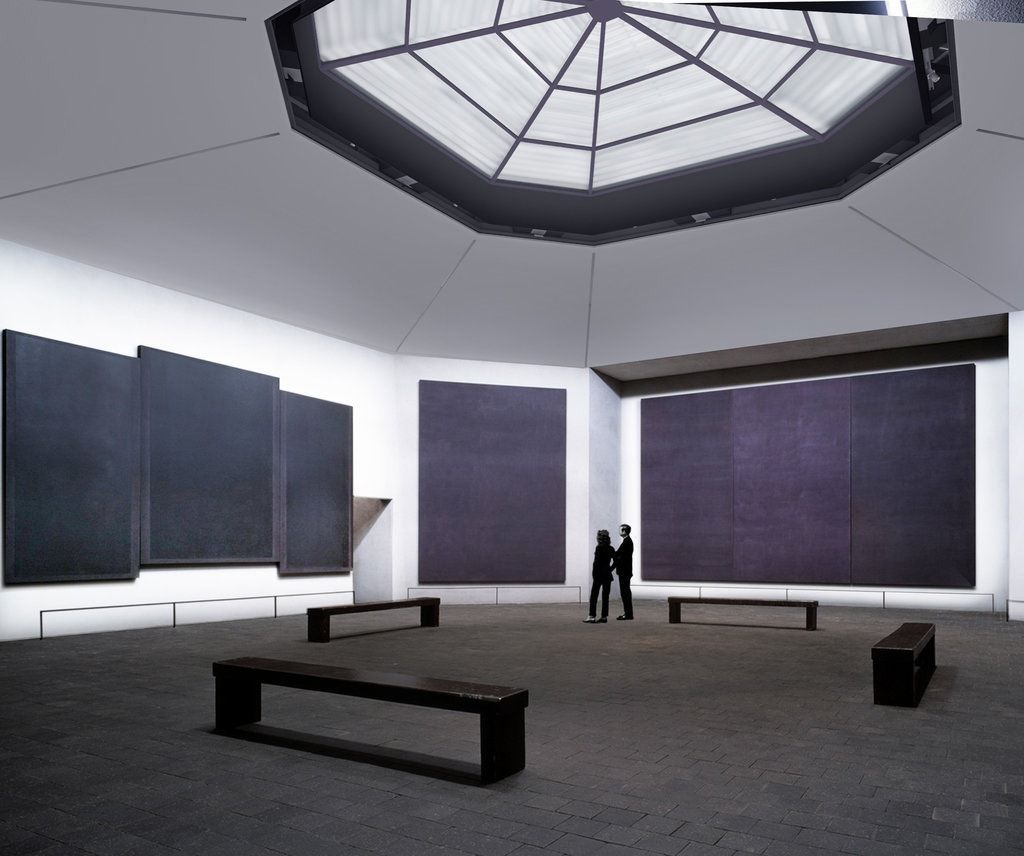
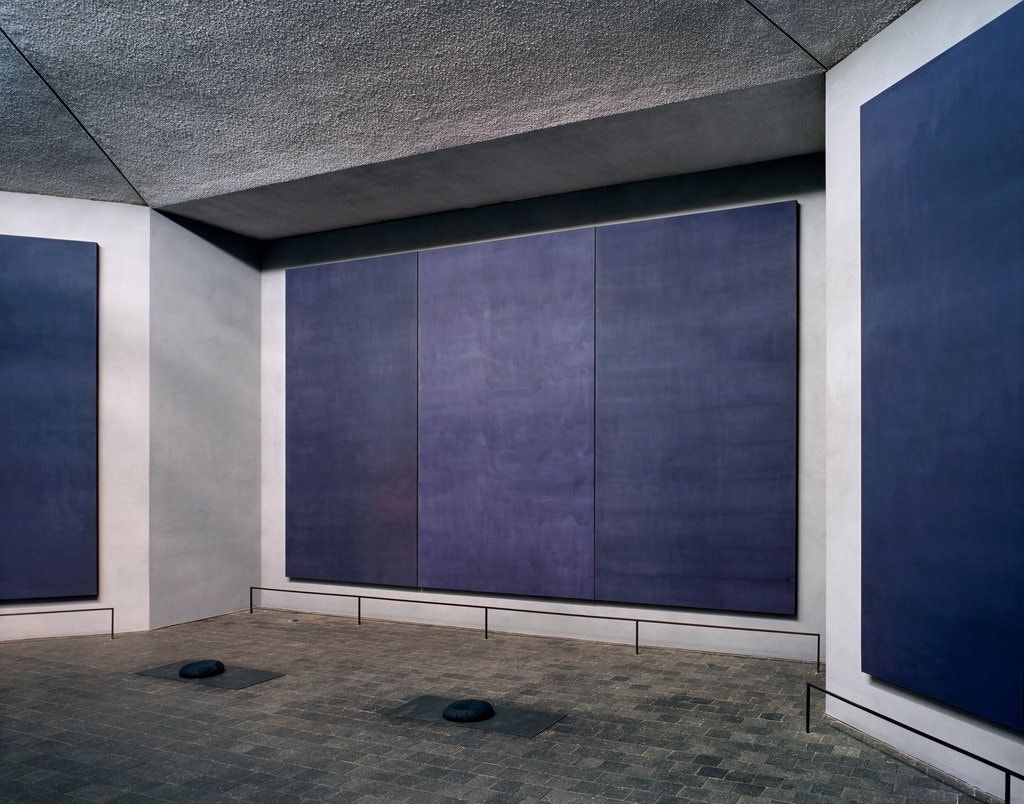
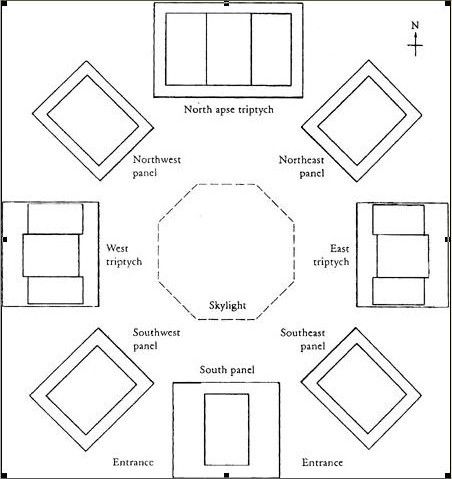
Rothko created fourteen large scale paintings specifically for the octagonal chapel, working in his New York studio. The canvases feature deep, dark tones of maroon, black, and plum that seem to shift as light changes throughout the day. The paintings are monumental in scale, some reaching nearly 15 feet in height, creating an immersive environment that encourages introspection.
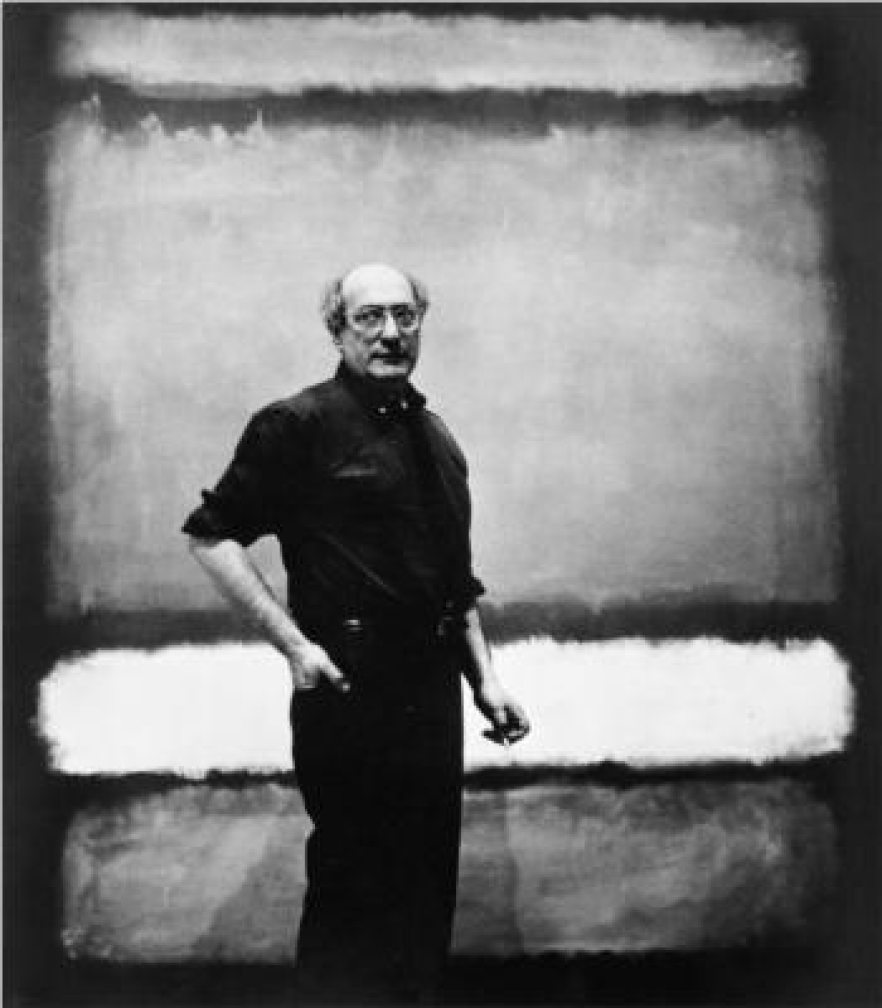
Tragically, Rothko struggled with depression and committed suicide in his studio on February 25, 1970, a year before the chapel was completed. He never saw his final masterwork installed. The chapel opened to the public on February 27, 1971, dedicated to Rothko's memory. The chapel building is a brick octagon with a skylight that bathes the paintings in natural light. Outside stands Barnett Newman's sculpture Broken Obelisk, dedicated to Dr. Martin Luther King Jr.
Since its opening, the Rothko Chapel has become an internationally recognized destination for meditation. It hosts interfaith services, concerts, lectures, and symposia on human rights. In 2000, the chapel launched the Rothko Chapel Awards honoring individuals committed to truth and freedom. The chapel was designated a National Historic Landmark in 2000.