POLLOCK-KRASNER HOUSE
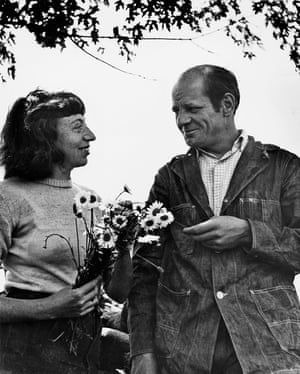
- Lee Krasner and Jackson Pollock
830 Springs-Fireplace Road, East Hampton, NY 11937-1512
Jackson Pollock was born in 1912 in Cody, Wyoming and became a major figure in the Abstract Expressionist movement. In 1945, Pollock married fellow Abstract Expressionist artist Lee Krasner, born in 1908 in Brooklyn to Russian-Jewish immigrant parents. Krasner was already an established artist in her own right, having studied with Hans Hofmann. Despite their mutual influence, Pollock's explosive success would somewhat overshadow her career during his lifetime.
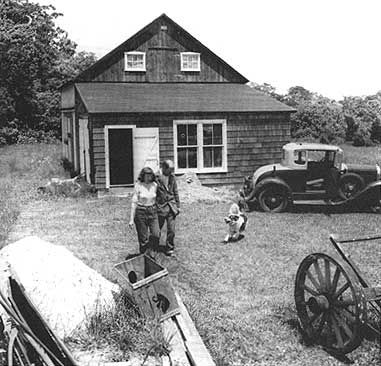
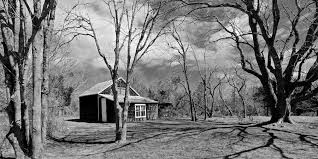
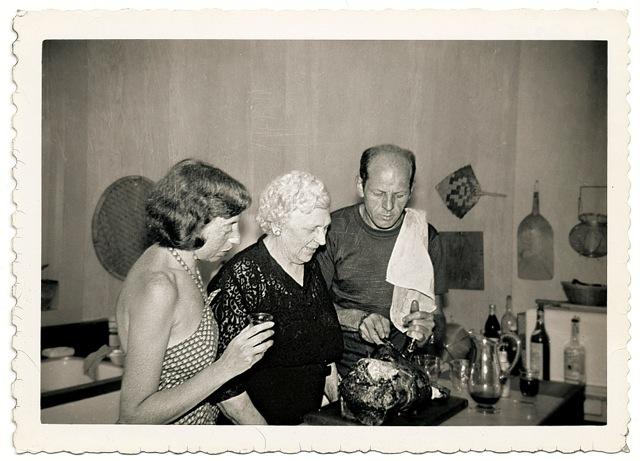
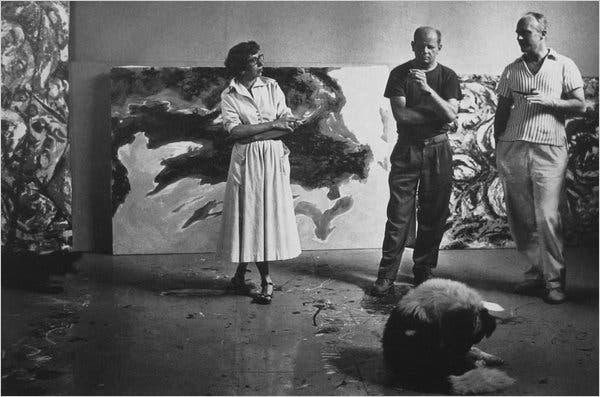
With a $2,000 loan from art dealer Peggy Guggenheim, Pollock and Krasner left New York City in 1945 and purchased a small farmhouse with a barn in The Springs near East Hampton for $5,000. They converted the barn into Pollock's studio, where he would create his most revolutionary work.
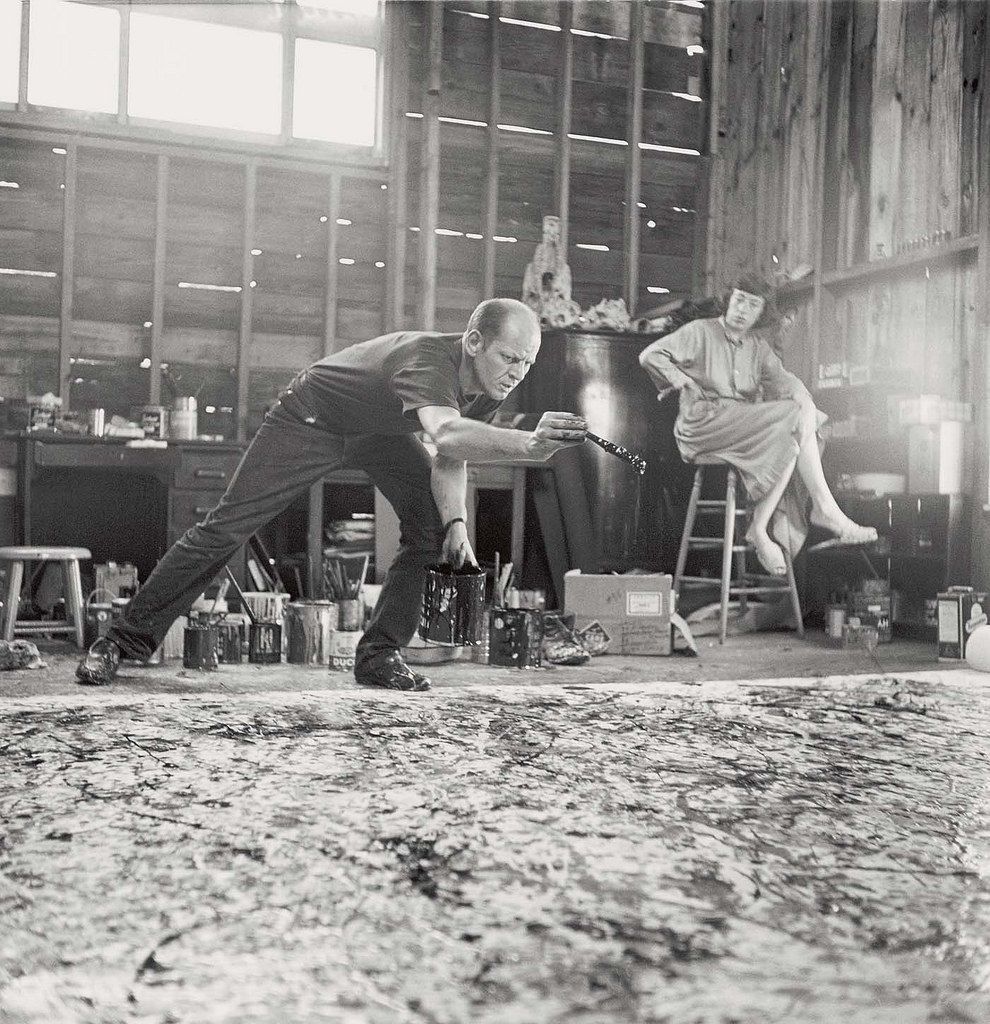
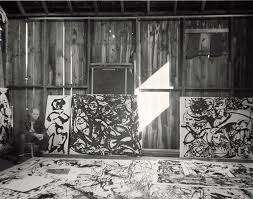
The studio is where Pollock developed his famous drip painting technique between 1946 and 1950. He laid canvases on the floor, pouring and splashing liquid house paint from all angles. This enabled him to view and paint his canvases from all sides, physically entering into the painting. The studio floor remains covered with layers of splattered paint, a permanent record of this process. Photographer Hans Namuth famously documented Pollock at work in the barn. Pollock struggled with alcoholism for most of his life. On August 11, 1956, he died at age 44 when he crashed his car while driving drunk. In December 1956, he was given a memorial retrospective exhibition at the Museum of Modern Art, cementing his position as one of the most important American artists.
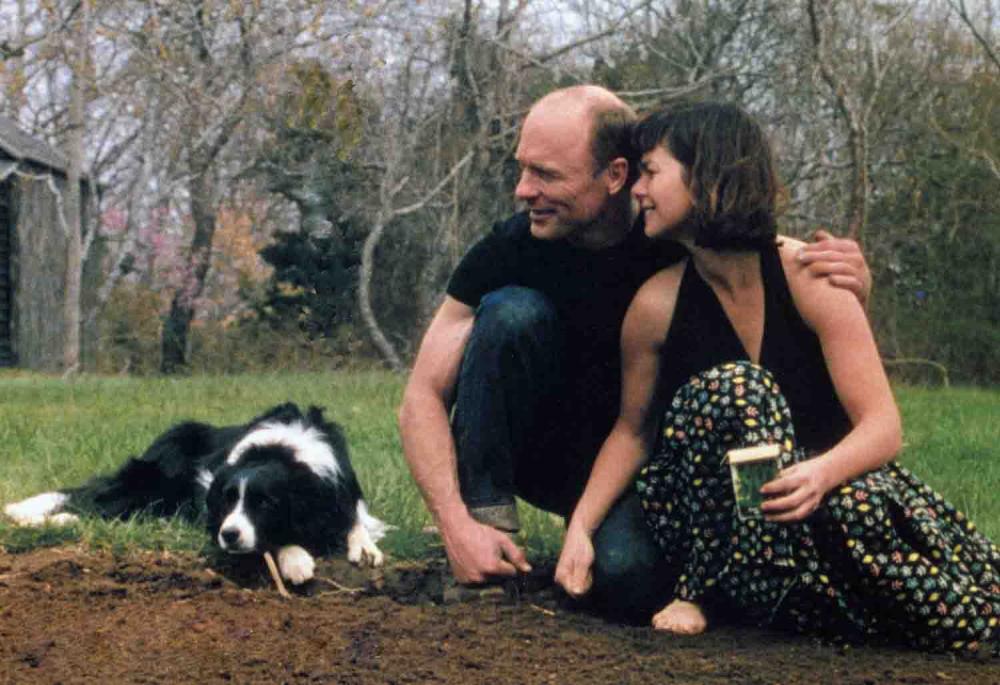
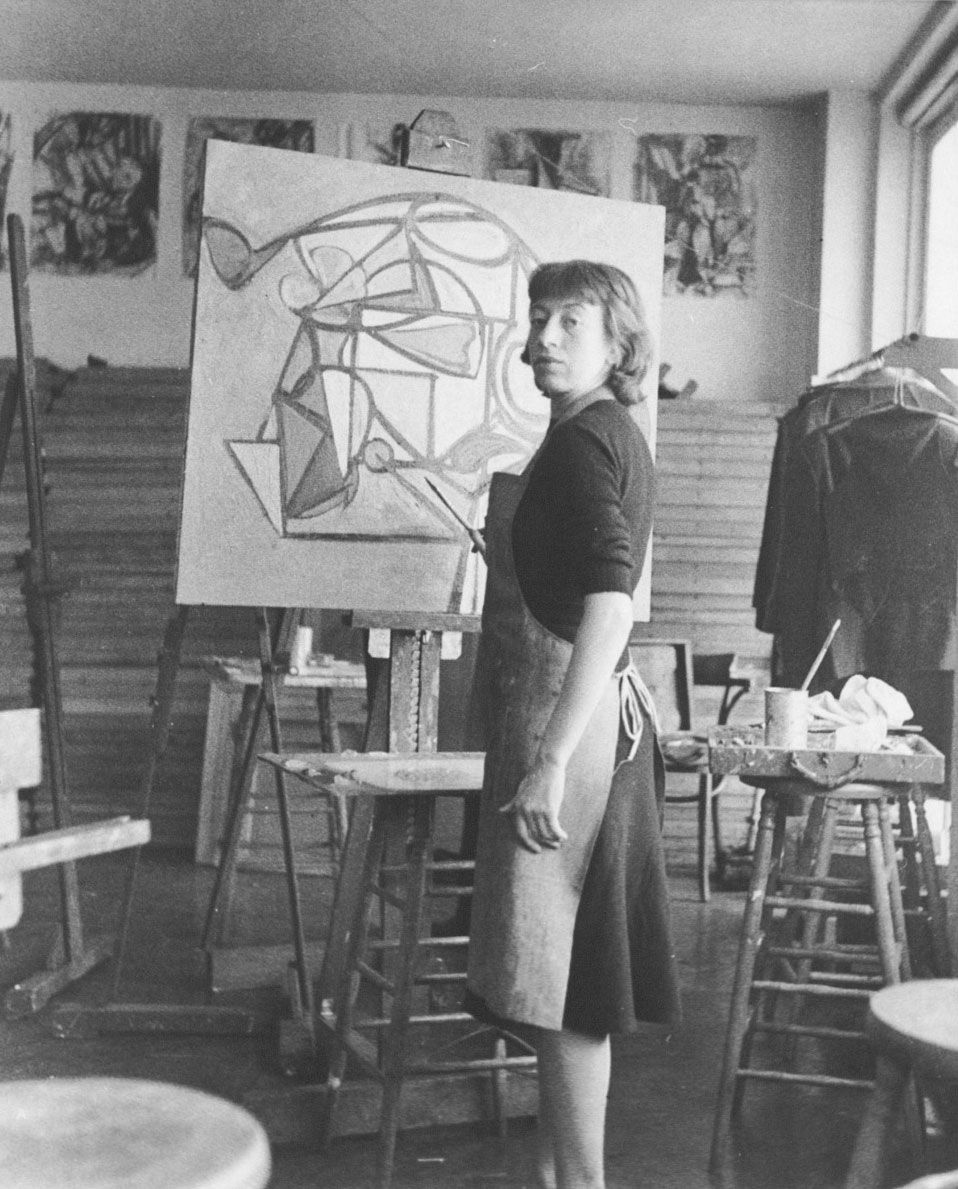
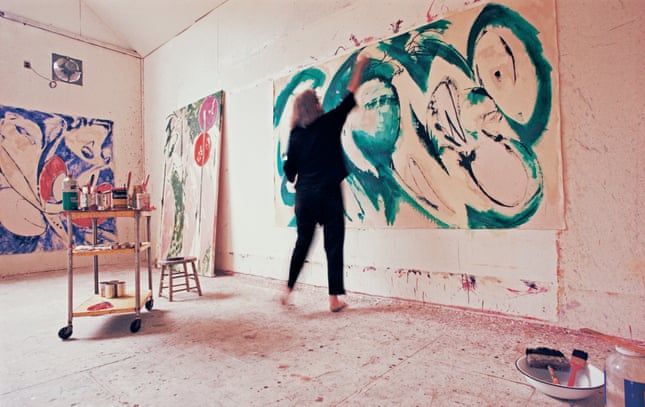
After Pollock's death, Krasner moved her own studio into the barn, painting there for the next 28 years. She experienced a creative resurgence, creating large scale paintings that finally brought her significant recognition. She split her time between the Springs house and a New York apartment until her death in 1984. The couple is buried next to each other at Green River Cemetery.
The house opened as a museum in 1988. It contains all the furnishings and artifacts from Krasner's death, including Pollock's jazz record collection and original paintings by both artists. The Pollock-Krasner House was designated a National Historic Landmark in 2000.