FINN JUHL HOUSE
- Finn Juhl
15 Kratvænget, Ordrup, Denmark
Danish architect and designer Finn Juhl was born in 1903 and became a leading figure in the Danish Modernism movement from the 1930s until the end of the 1960s, alongside names such as Arne Jacobsen, Hans Wegner, Poul Kjærholm, and Børge Mogensen. This movement became the foundation for the massive international export of Danish architecture and design.
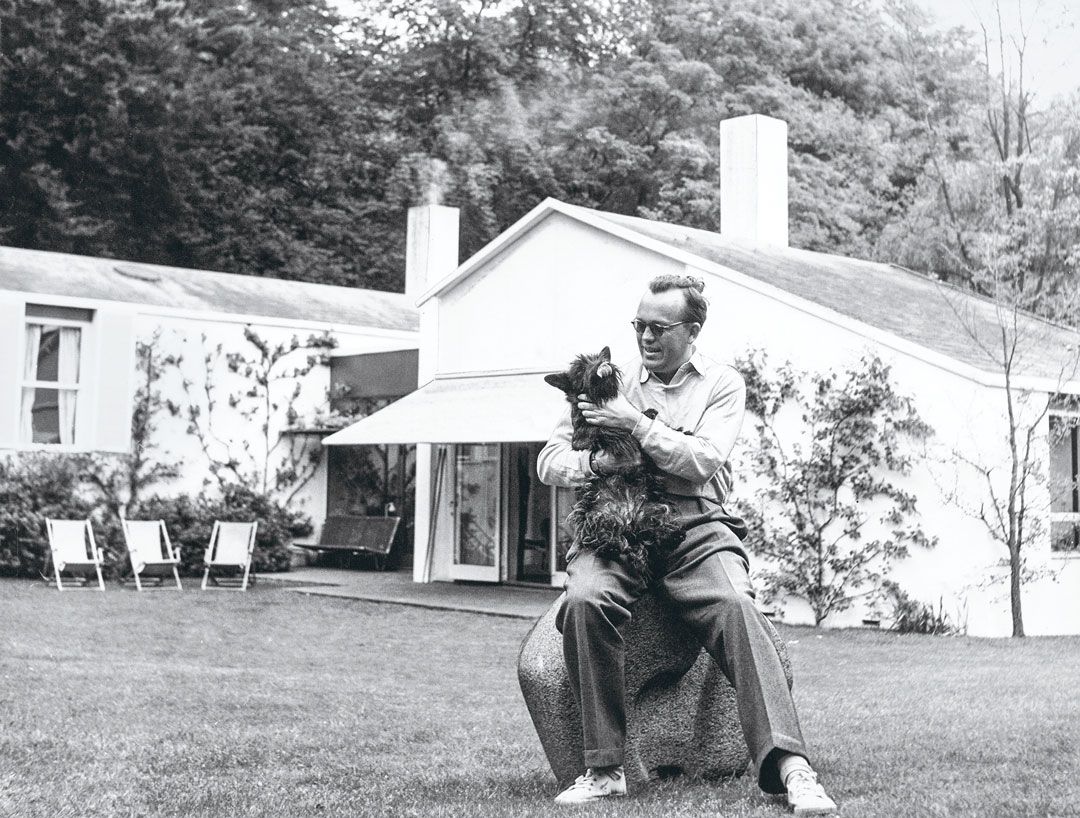
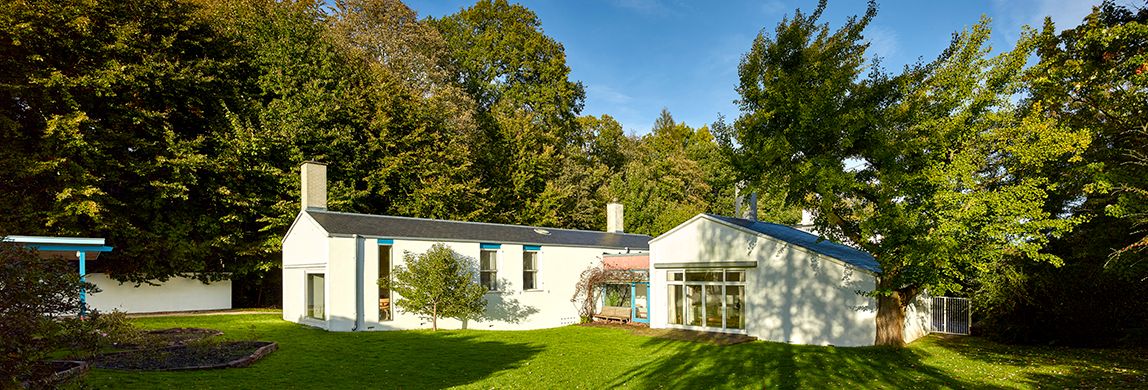
Juhl built his home in Ordrup, just north of Copenhagen, in 1942 when he was just 30 years old. Although he studied architecture at the Royal Danish Academy of Fine Arts, he designed only a handful of houses, focusing instead on interiors and bold, pioneering furniture. His own house was built from the inside out, on the premises of the interior rather than the architecture. The furniture shaped the rooms, and the rooms shaped the facade.
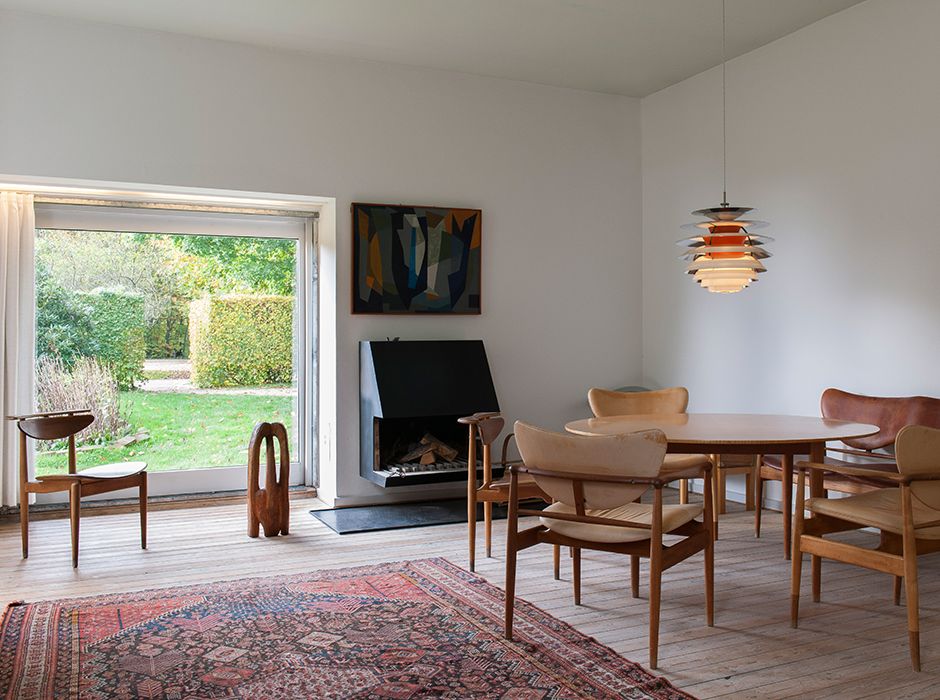
The L-shaped house consists of two blocks standing at right angles to each other, covering 180 square meters and later expanded to 207 square meters. One block contains a large living room and a small study, while the second houses the kitchen, dining room, bedrooms, and bathroom. The two blocks are joined by an entrance hall that opens to the garden. For Juhl, the relation between the rooms and the influx of natural light from the surrounding garden and woods was crucial. The ceilings are painted in pale light yellow, and when they reflect the light from outside, they resemble the roof of a tent with light shining through.
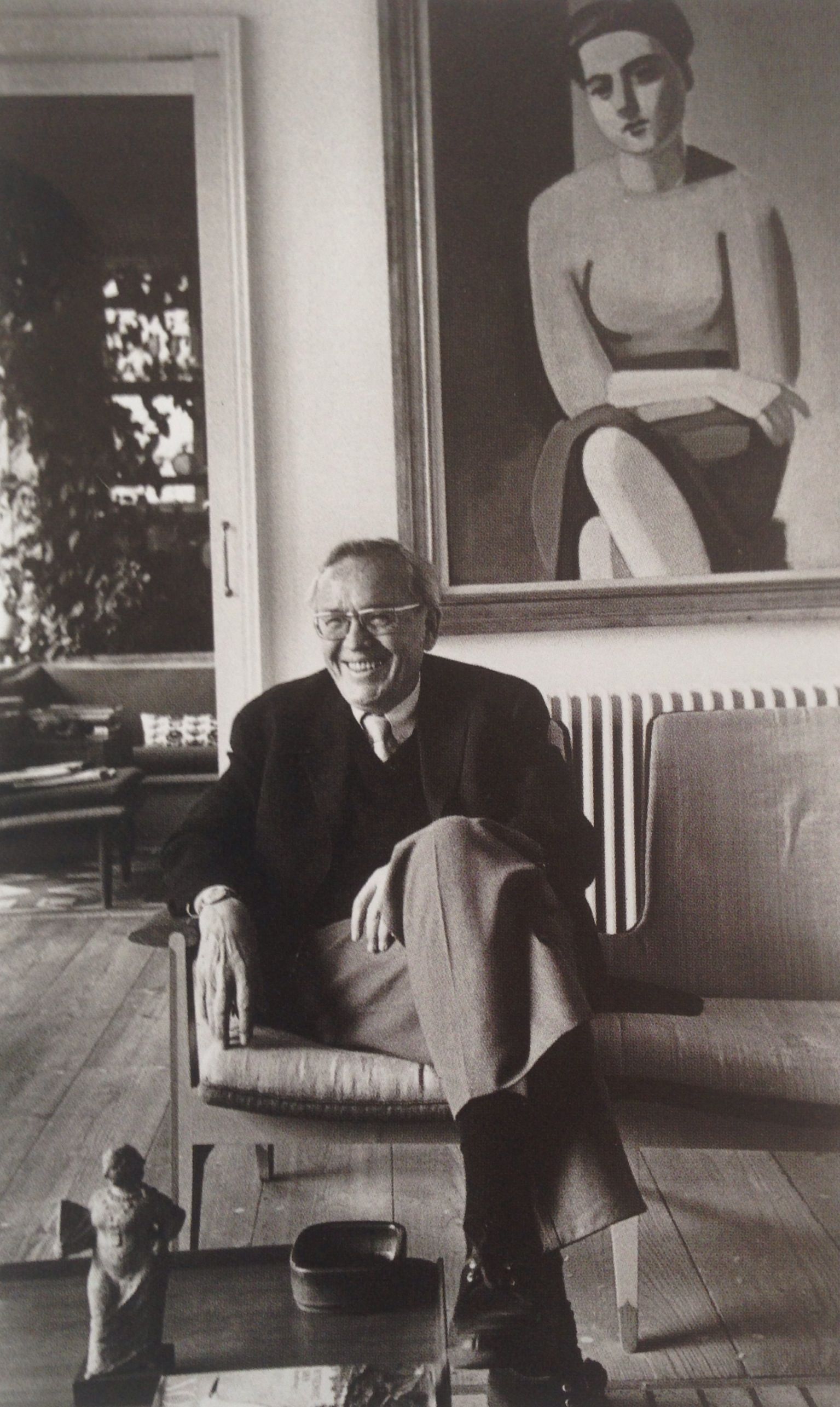
From the completion of the house until his death in 1989, Juhl continuously refined its interior down to the smallest detail. He had a clear ambition to furnish his home entirely with objects of his own design. The house served as his personal laboratory, where every prototype was tested before being exhibited or produced. He explained that his own house had always been the starting point for his furniture, and he designed both houses and interiors.
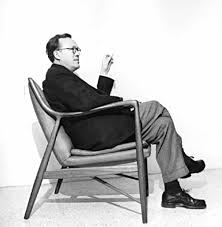
Throughout the home, visitors can experience some of Juhl's most iconic designs, including the Chieftain Chair, the Poet Sofa, the FJ45 chair, and the FJ46 chair. His furniture serves as both sculptural forms that define space and integral parts of a larger whole, enhanced by his pioneering use of color as an architectural device and the play of light from large floor-to-ceiling windows overlooking the garden.
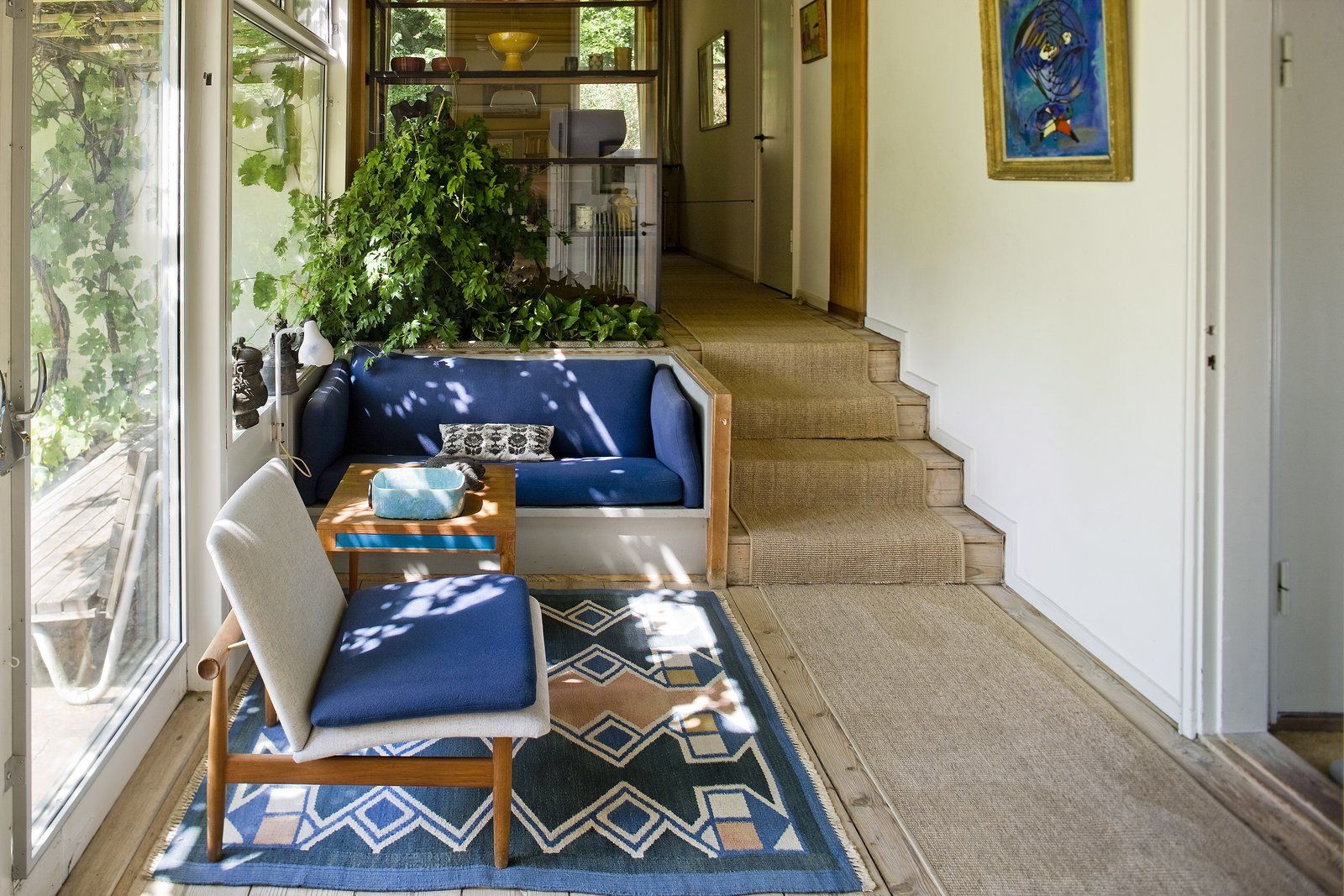
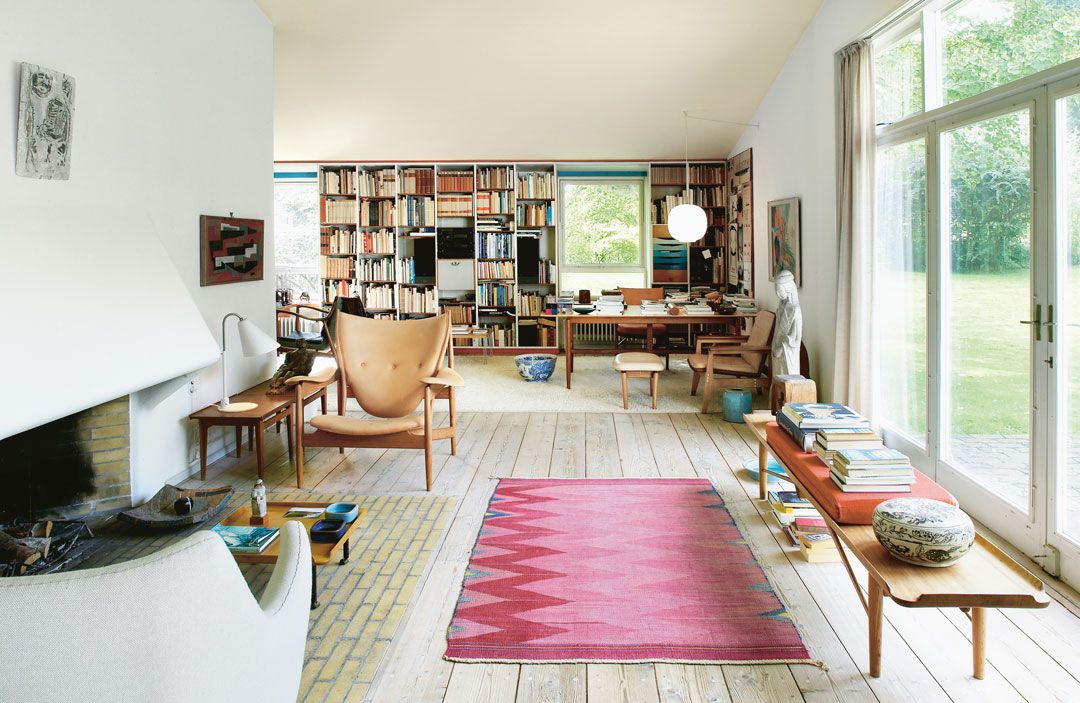
Art occupies an equally central place, with works by leading Danish artists such as Vilhelm Lundstrøm, Asger Jorn, Erik Thommesen, and Sonja Ferlov Mancoba carefully selected by Juhl. The house constitutes a modernist Gesamtkunstwerk, or total work of art, where architecture, design, and art come together in harmonious totality.
After Juhl's death, his partner Hanne Wilhelm Hansen continued to live in the house until 2003. Birgit Lyngbye Pedersen purchased and donated the house to Ordrupgaard Museum, and it opened to the public in 2008. The home is now a permanent part of the museum, located just steps from the museum's buildings designed by Zaha Hadid and Snøhetta.