JUDD FOUNDATION NEW YORK
- Donald Judd, 1968
101 Spring St, New York, New York, USA
Donald Judd was born in 1928 in Excelsior Springs, Missouri and moved to New York in the late 1940s to study philosophy and art history at Columbia. He turned to sculpture in the early 1960s but remained dependent on his income from art criticism for several years. In 1968, at age 40, Judd received a retrospective at the Whitney Museum and was finally selling enough work to purchase a building of his own.
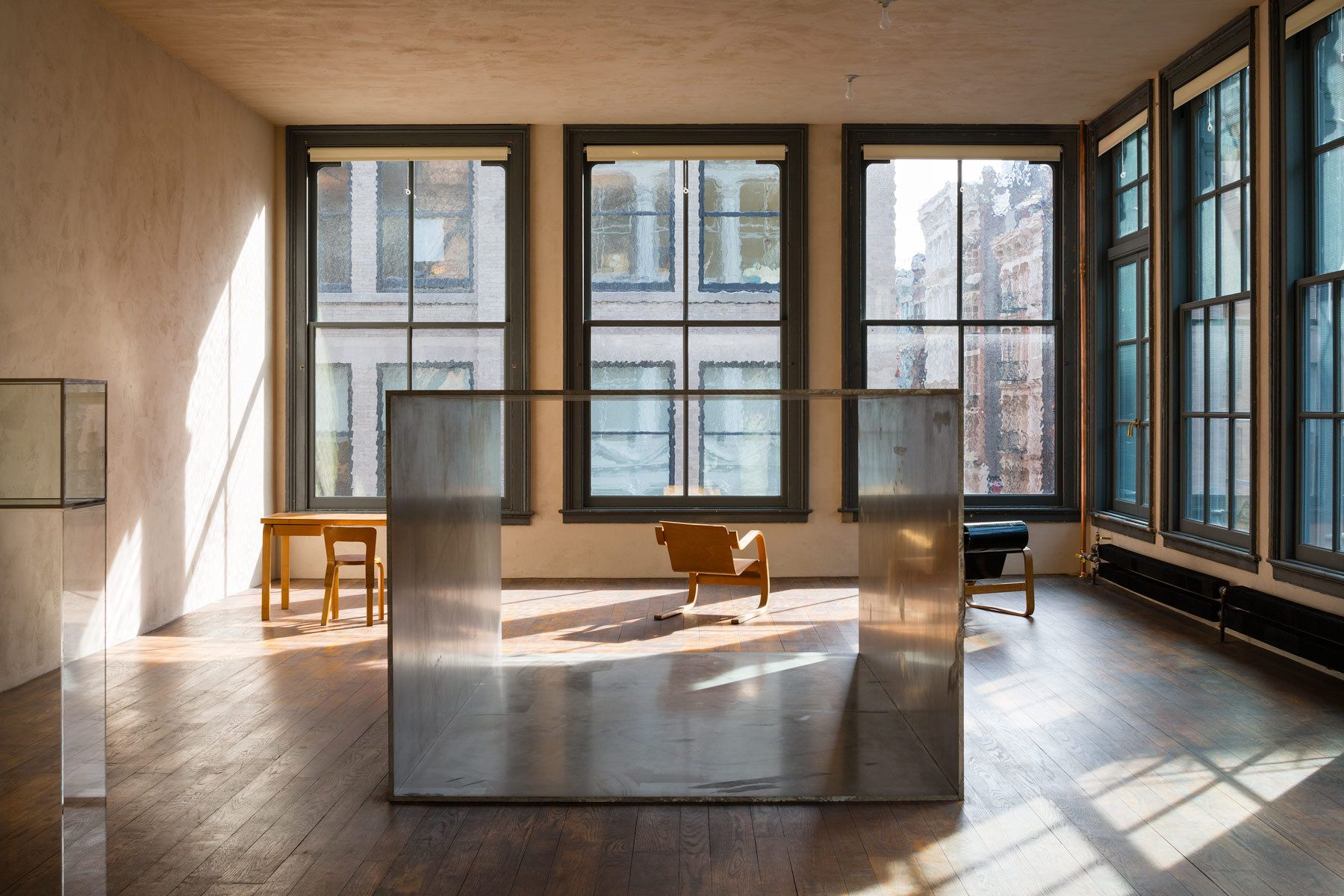
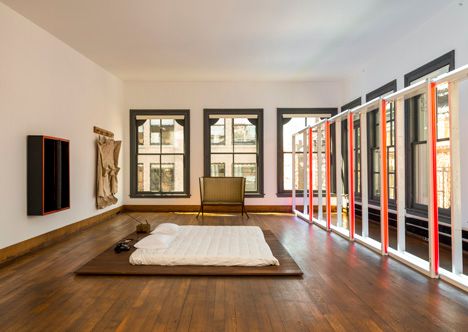
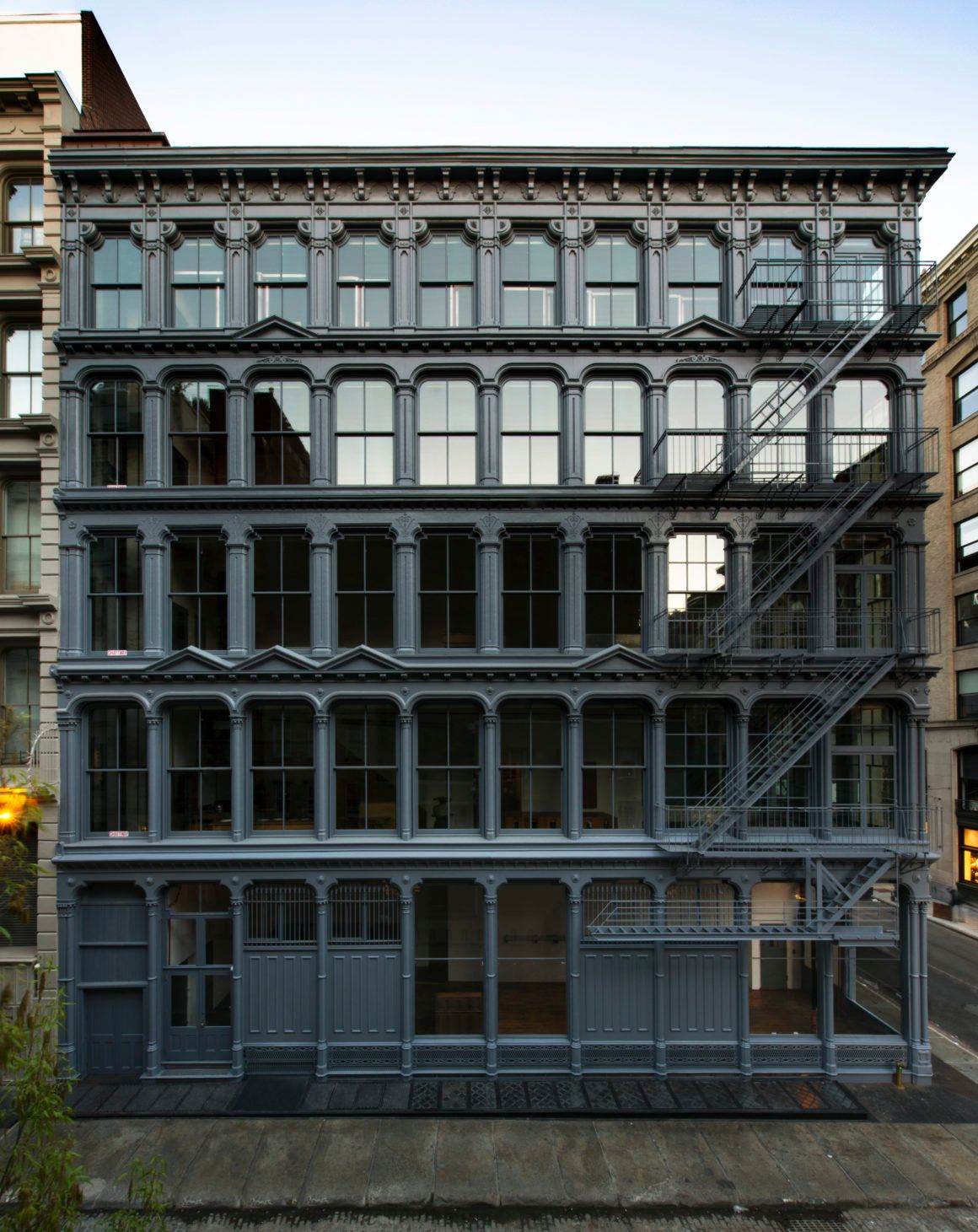
Judd bought 101 Spring Street for $68,000 in 1968. The five story cast iron building, designed by Nicholas Whyte and constructed in 1870, was a former garment factory in what was then the derelict neighborhood of SoHo.
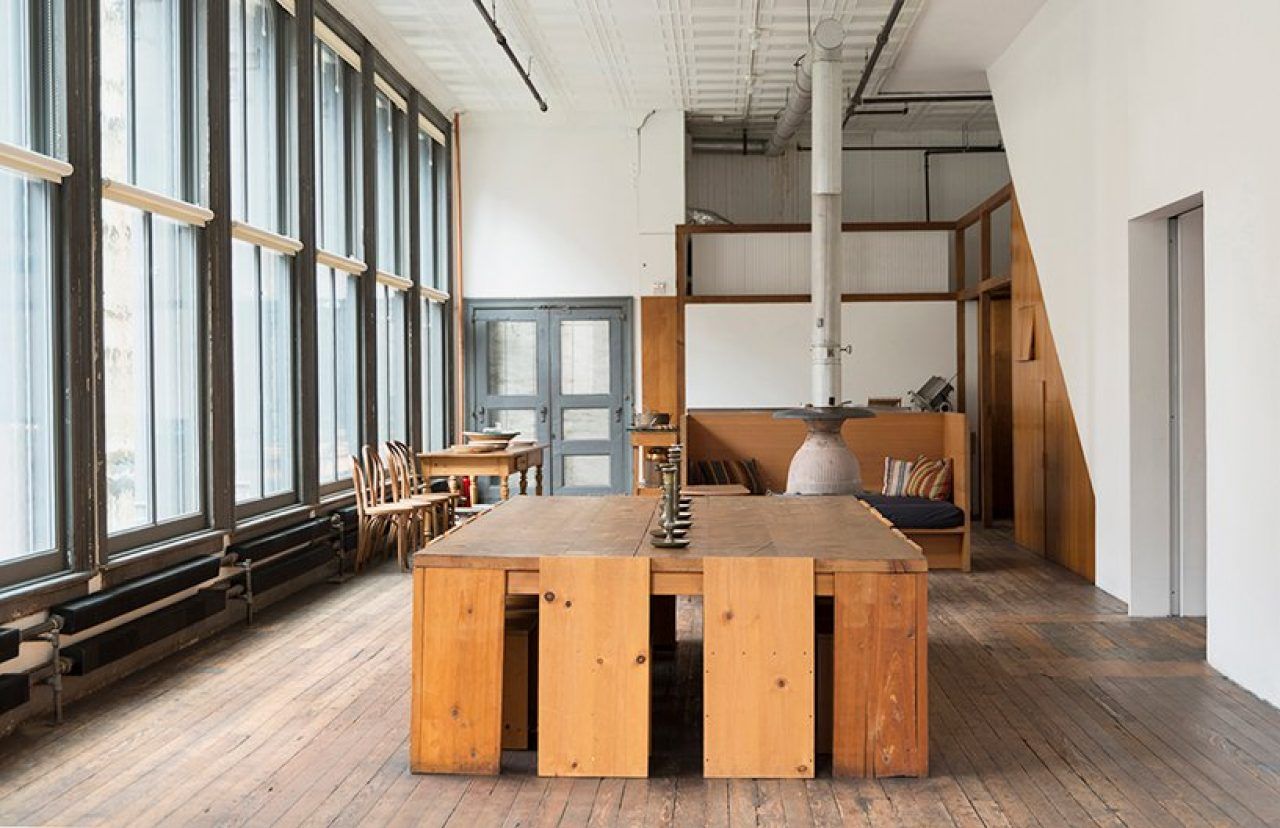
101 Spring Street is the only single use cast iron building remaining in SoHo. As Judd wrote in his 1989 essay, he thought the building should be repaired and basically not changed. Each floor had been open with no signs of original walls, which determined that each floor should have one purpose: sleeping, eating, working. Over 25 years, he renovated each floor for specific purposes.
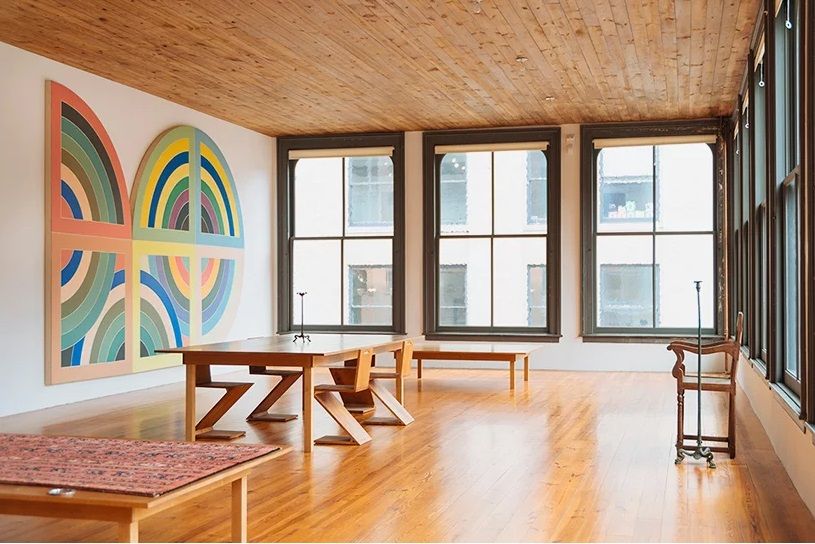
The first floor features works by Judd and Carl Andre surrounded by large plate glass windows. The third floor serves as his studio with an architect's desk and massive aluminum sculpture. The fourth floor includes a formal dining hall with furniture crafted to his own designs, along with works by Dan Flavin and Frank Stella. The fifth floor houses his bedroom, lit entirely by an enormous fluorescent light installation by Flavin extending the entire length of the room.
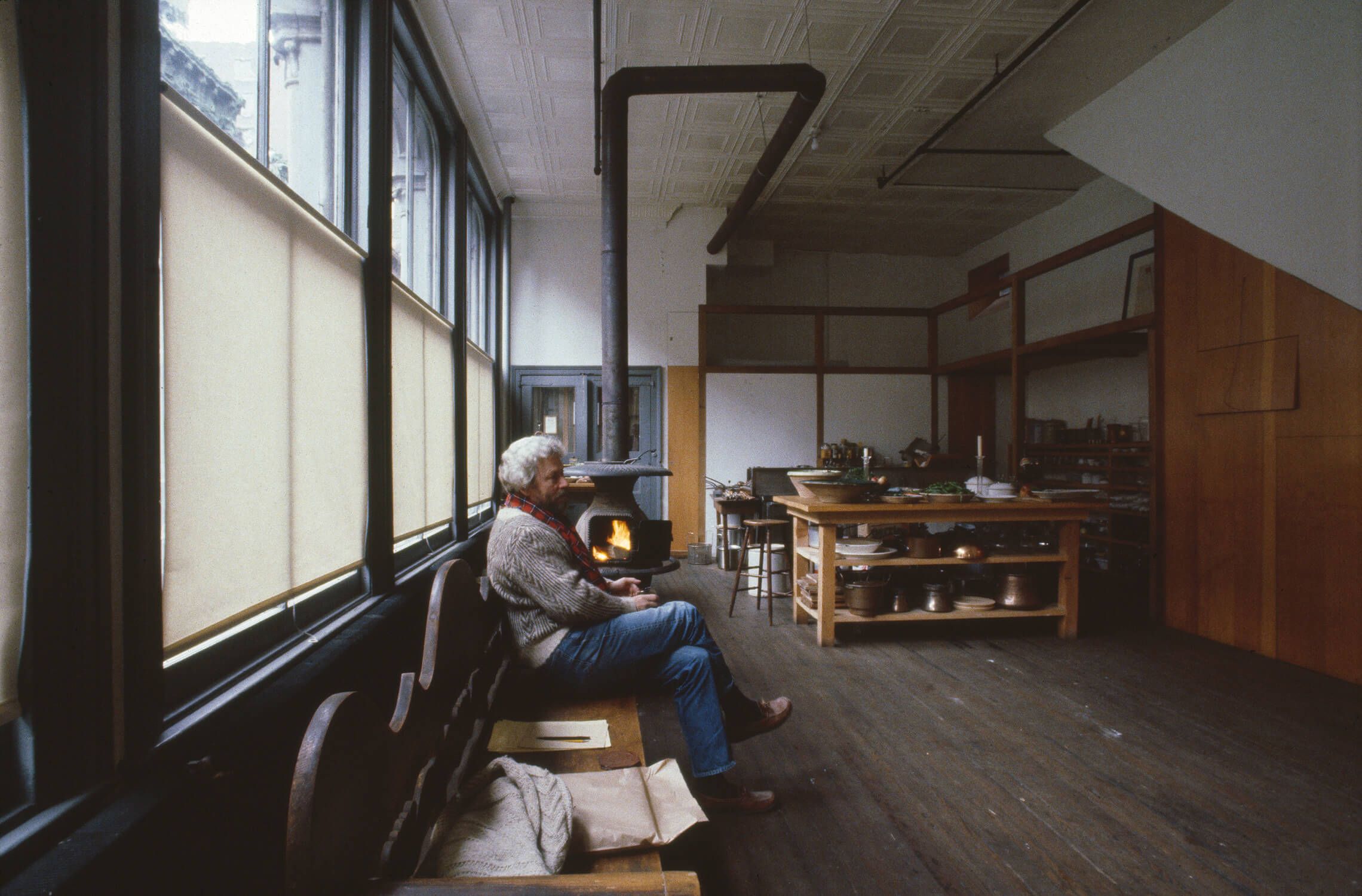
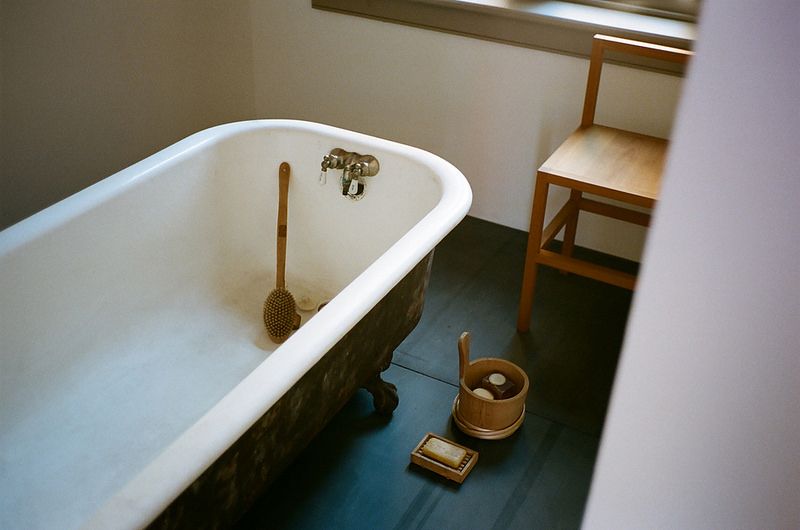
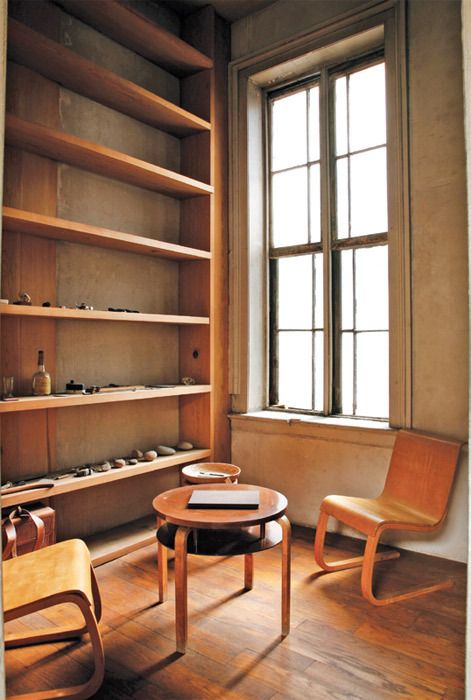
The house is filled with nearly 2,000 objects he meticulously installed, including 200 pieces of art and furniture. Works by Stuart Davis, Marcel Duchamp, Frank Stella, John Chamberlain, Dan Flavin, and Ad Reinhardt share space with furniture by Alvar Aalto, Gerrit Rietveld, and pieces Judd designed himself. He also collected objects and textiles from around the world. The works on view remain as installed by Judd.
Judd was politically active in the 1960s art scene and fought to save his studio from being flattened by a planned highway. He won his case and successfully lobbied for a change in New York zoning laws, allowing artists to convert disused industrial buildings into live work spaces. This legal victory transformed SoHo into the artist community it became.
The restoration of 101 Spring Street was completed in May 2013 with support from the National Trust for Historic Preservation.