GEORGE NAKASHIMA WOODWORKERS
- Geroge Nakashima
1847 Aquetong Road, New Hope, Pennsylvania 18938
George Nakashima was born in 1905 in Spokane, Washington to Japanese immigrants. After earning degrees in architecture from the University of Washington and MIT, he traveled the world, working with Antonin Raymond in Japan and Le Corbusier in Paris.
Shortly after the U.S. entered World War II, Nakashima, his wife Marion, and their infant daughter Mira were forcibly relocated to the Minidoka internment camp in Idaho. There, he met Japanese carpenter Gentauro Hikogawa, who taught him traditional Japanese woodworking techniques. After Antonin Raymond successfully petitioned for his release in 1943, the Nakashima family came to live on Raymond's farm in New Hope, Pennsylvania.
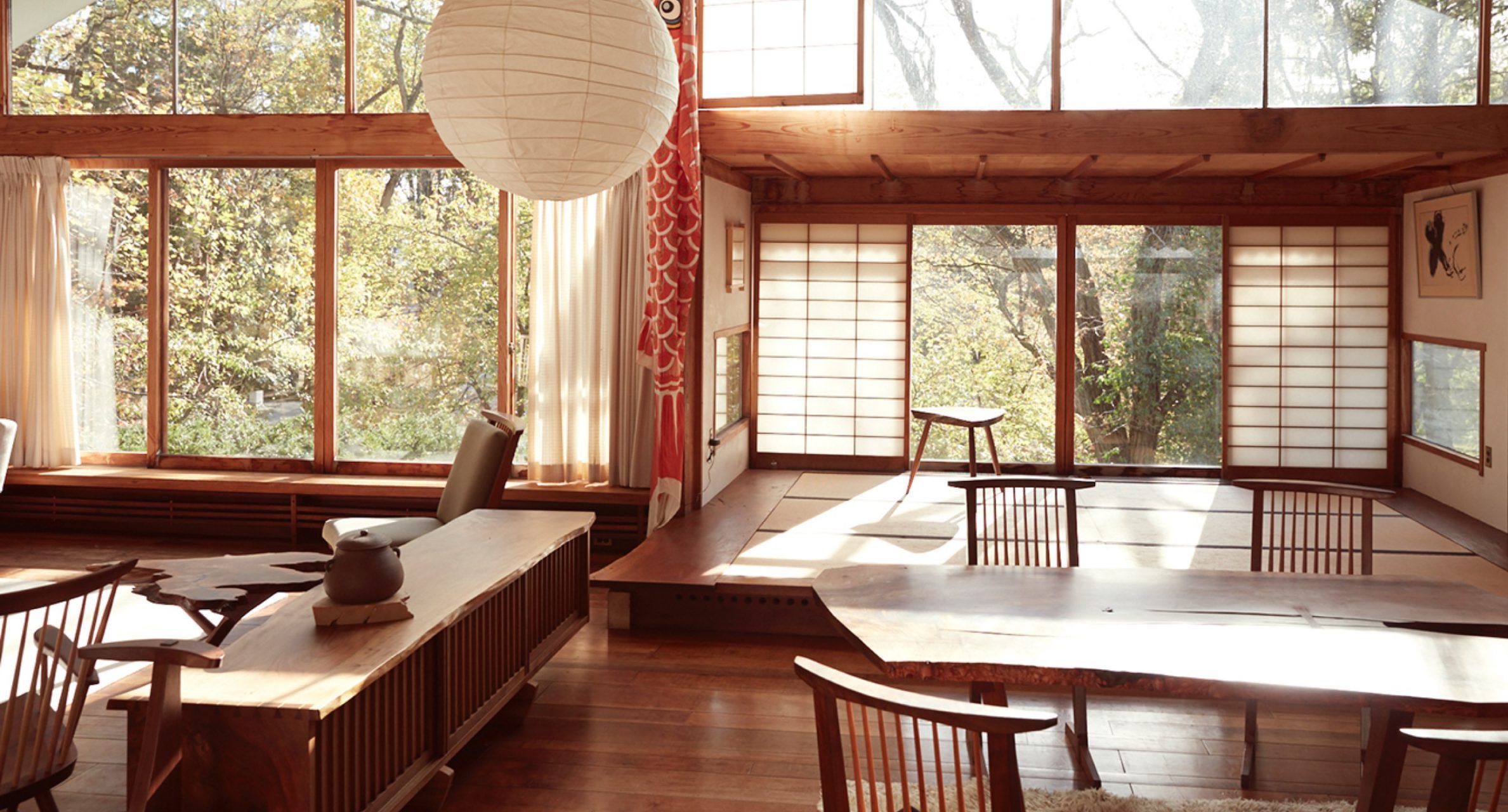
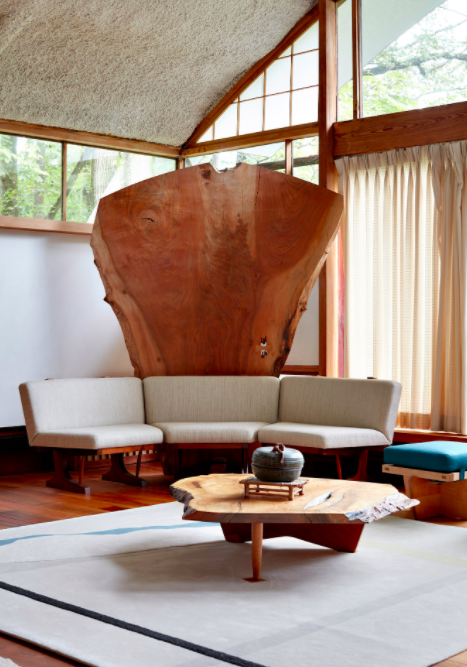
In 1945, Nakashima opened his woodworking business in reaction against twentieth century modern architecture's functionalism. He believed that the inherent beauty of natural materials like wood should be studied, understood, and respected, and that products should retain their individuality. As his daughter Mira describes, he couldn't afford lumber, so he started using boards with raw edges. These natural edge pieces became his signature, influencing generations of furniture makers to embrace wabi-sabi aesthetics.
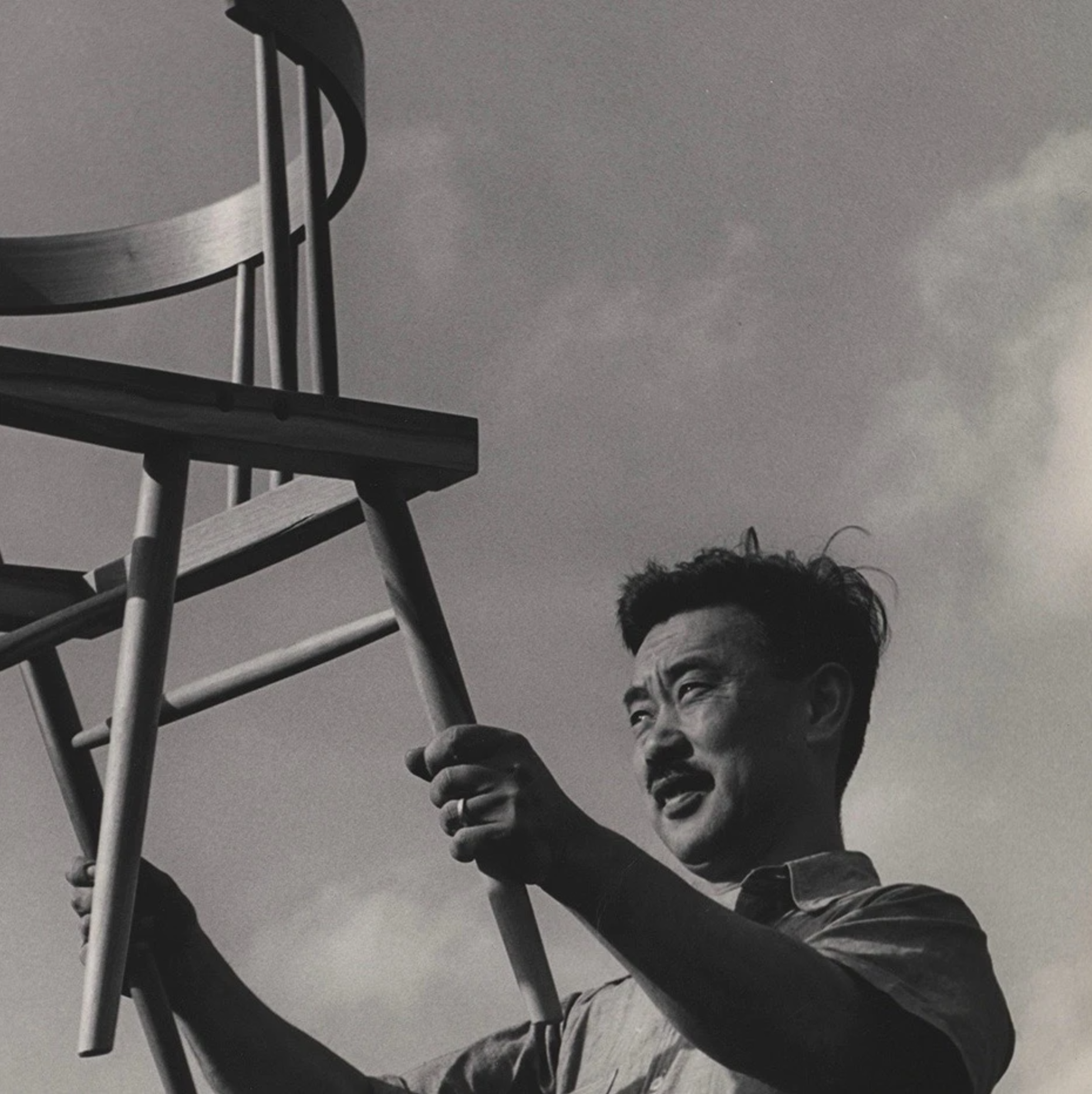
George Nakashima
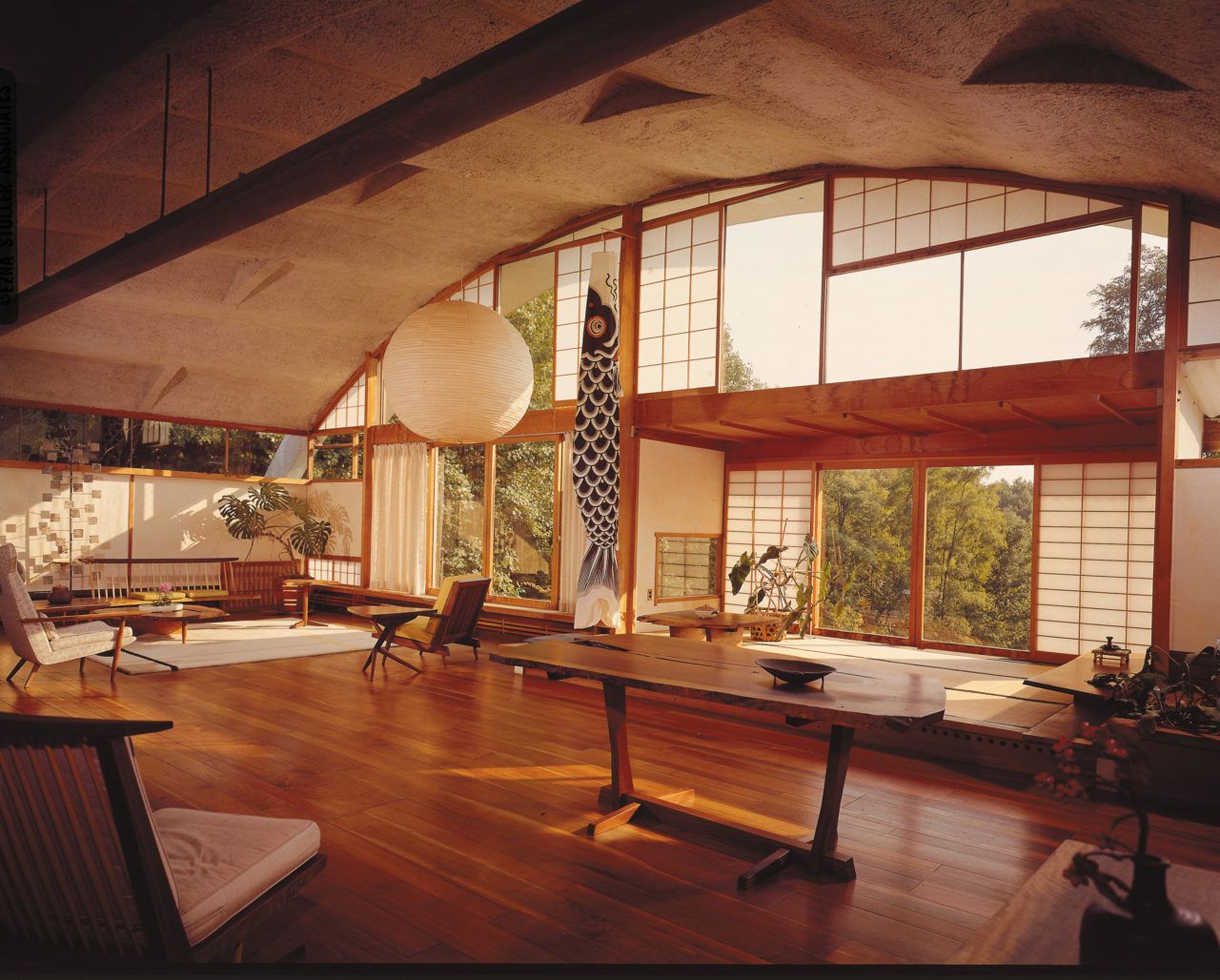
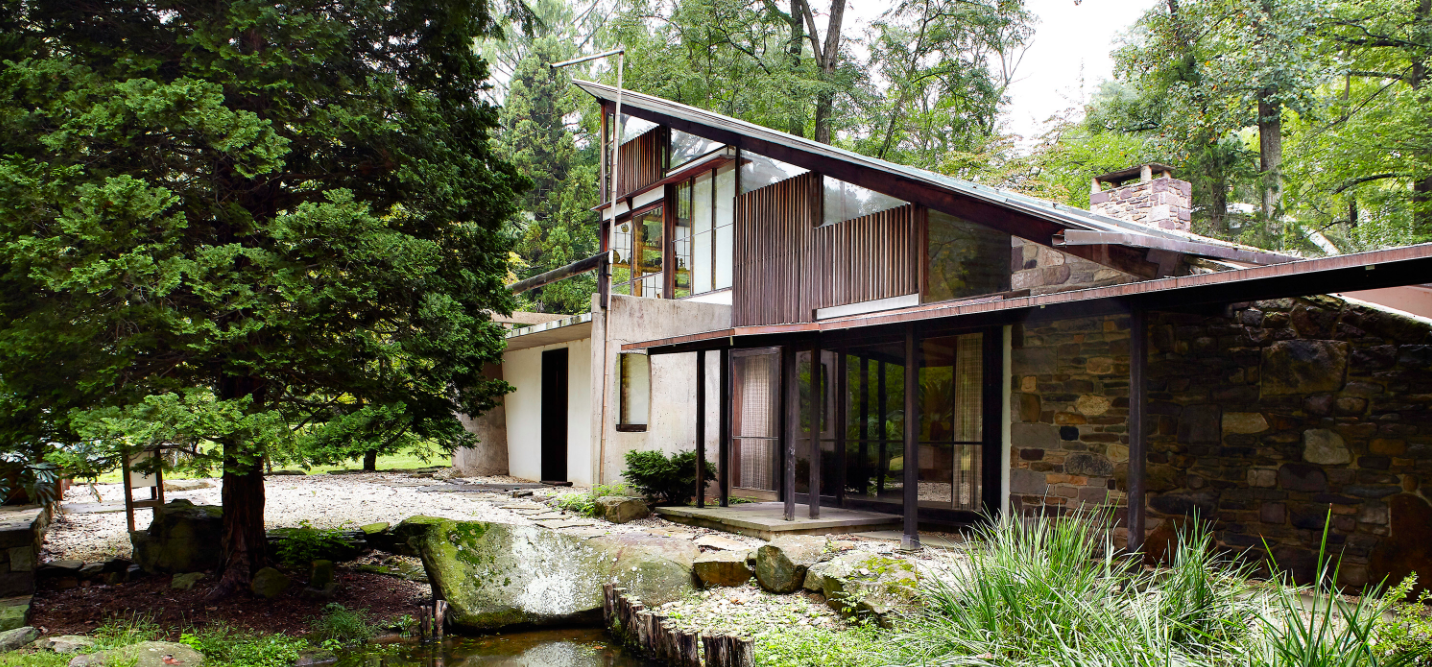
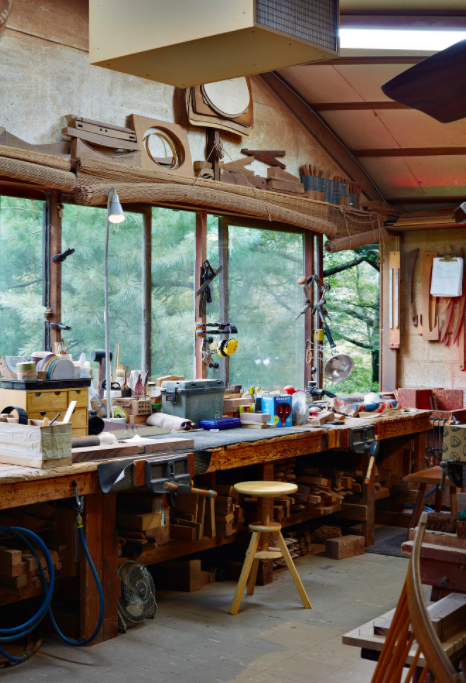
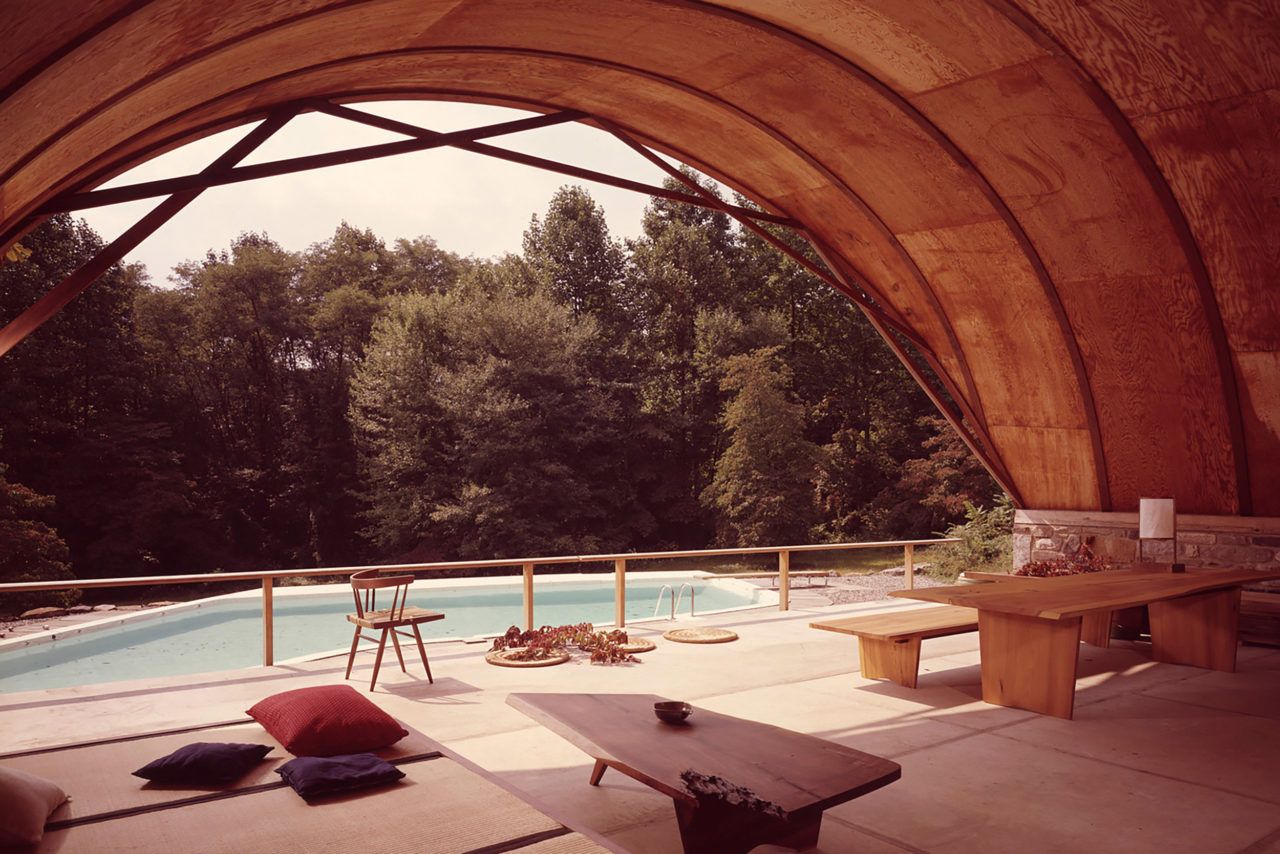
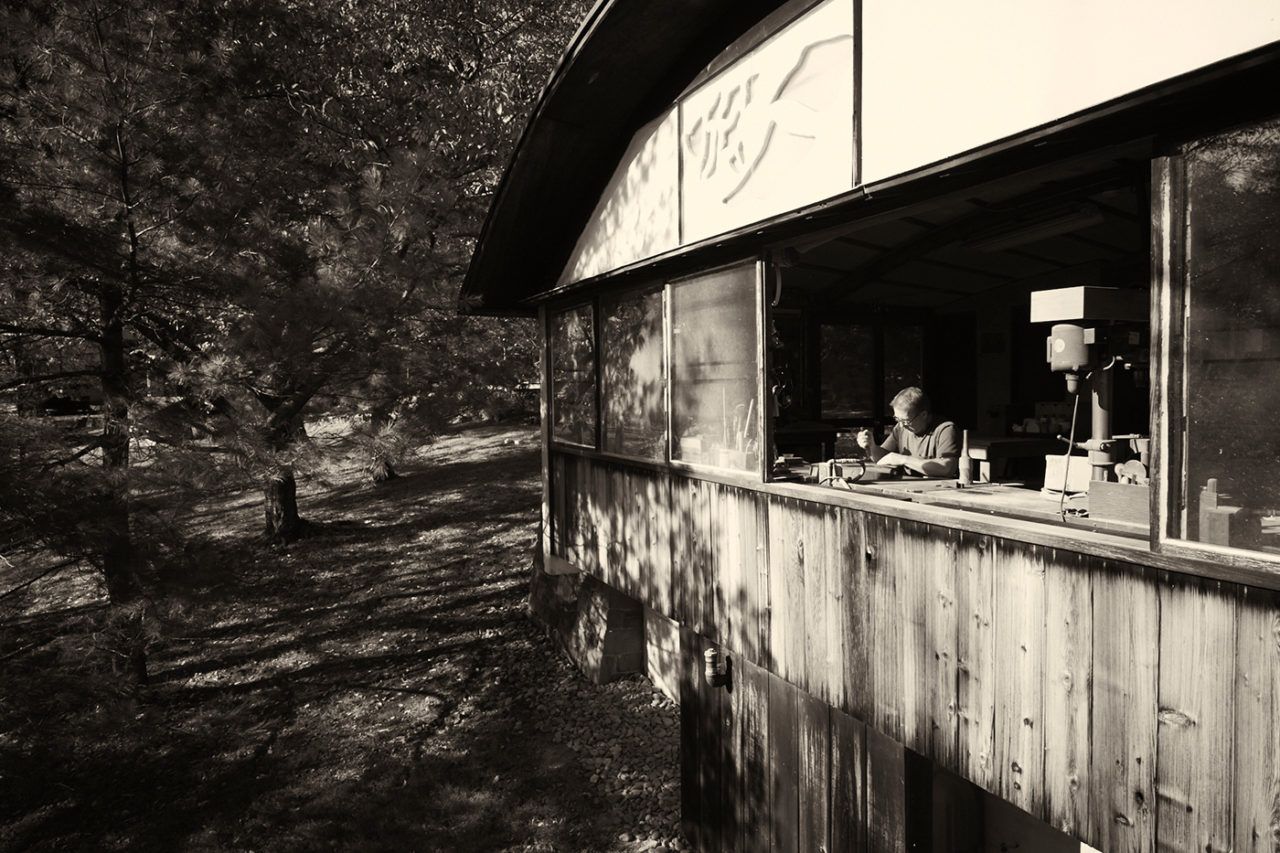
Nakashima purchased land along Aquetong Road in 1945, and as his business grew, he acquired more property and designed all 21 buildings on the eventual 12 acre complex, each facing south to maximize sunlight. The grounds include the iconic Conoid Studio with its dramatic curved roof, the Showroom, the Finishing Room, the Chair Shop, the Reception House, the Arts Building and Cloisters, the Pole Barn, the Lumber Sheds, the Pool House, and the Main Shop. He had deep respect for the natural landscape and use of regional materials while experimenting with new innovations.
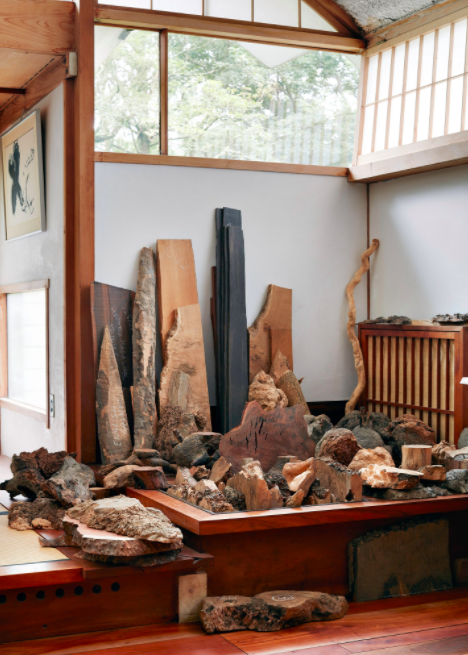
The back of the property houses a remarkable collection of wood slabs Nakashima accumulated over his lifetime, some from trees now extinct or nearly impossible to find in larger sizes. His most significant commission came in 1973 when Nelson Rockefeller ordered 200 pieces for his house in Pocantico Hills, New York. Nakashima also designed furniture lines for Knoll, including the Straight Back Chair still in production today.
When Nakashima died in 1990, his daughter Mira continued both his woodworking practice and his tradition of opening the studios to visitors. Today, Mira and her team of craftsmen continue creating what Nakashima called the antiques of the future. The George Nakashima Woodworker Complex was designated a National Historic Landmark in 2014 and remains a working studio where handcrafted furniture is still made using his methods. The grounds are open to the public during designated Studio Hours on Saturday afternoons from 1 to 4 pm.
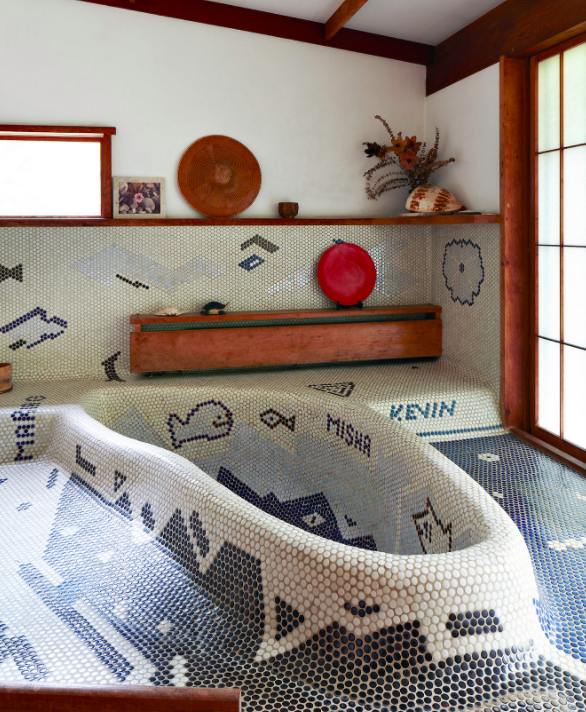
Nakashimas's unique bathtub has his kids and grandkids names written out in mosaic.