EILEEN GRAY E-1027
- Eileen Gray
E-1027 Sent. Massolin, 06190 Roquebrune-Cap-Martin, France
Eileen Gray was born in 1878 in Ireland and became one of the most important designers and architects of the modern movement, though her contributions were long overlooked. She moved to Paris in 1902 and established herself as a successful Art Deco furniture designer and interior decorator before turning to architecture at age 48.
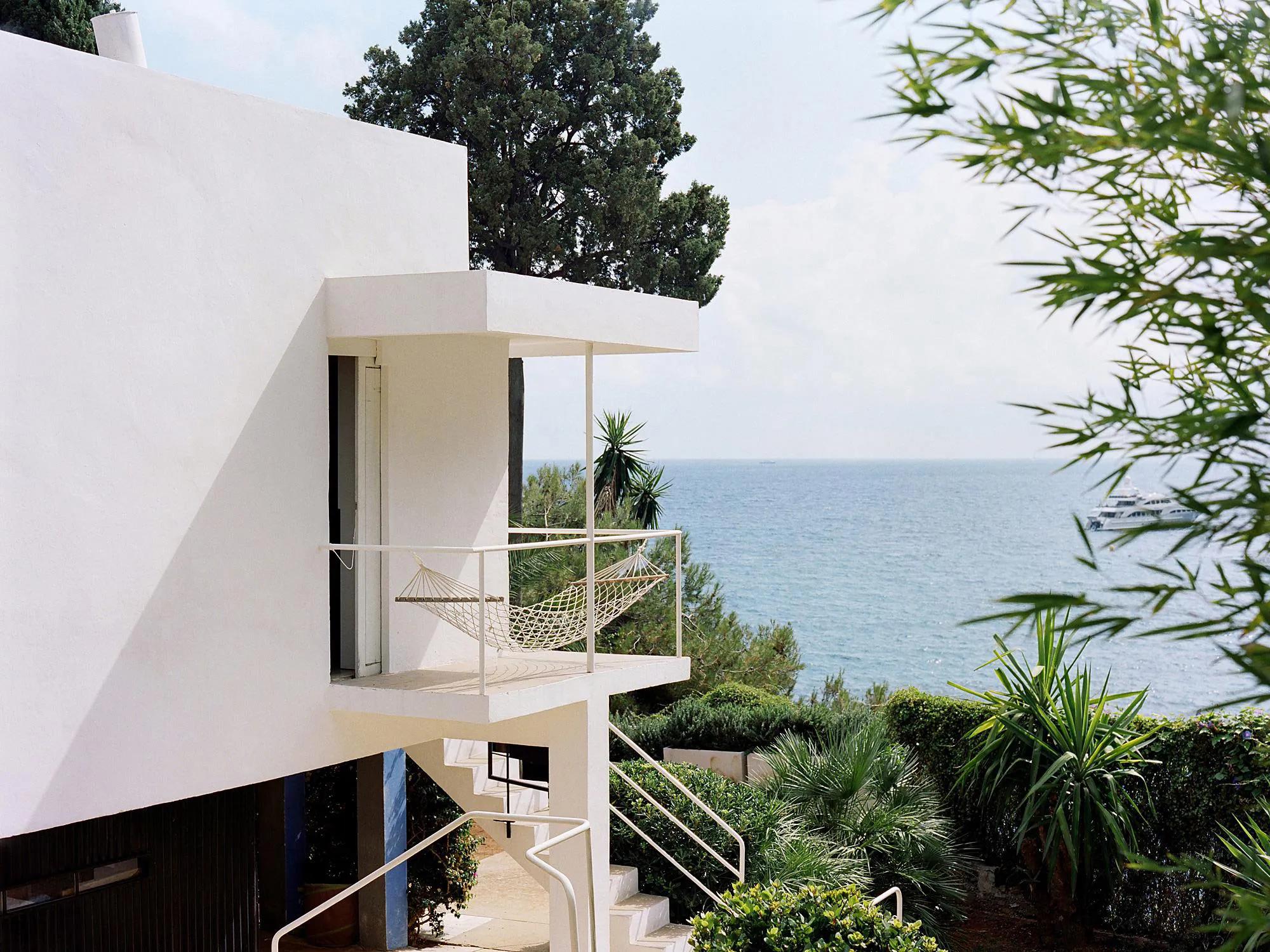
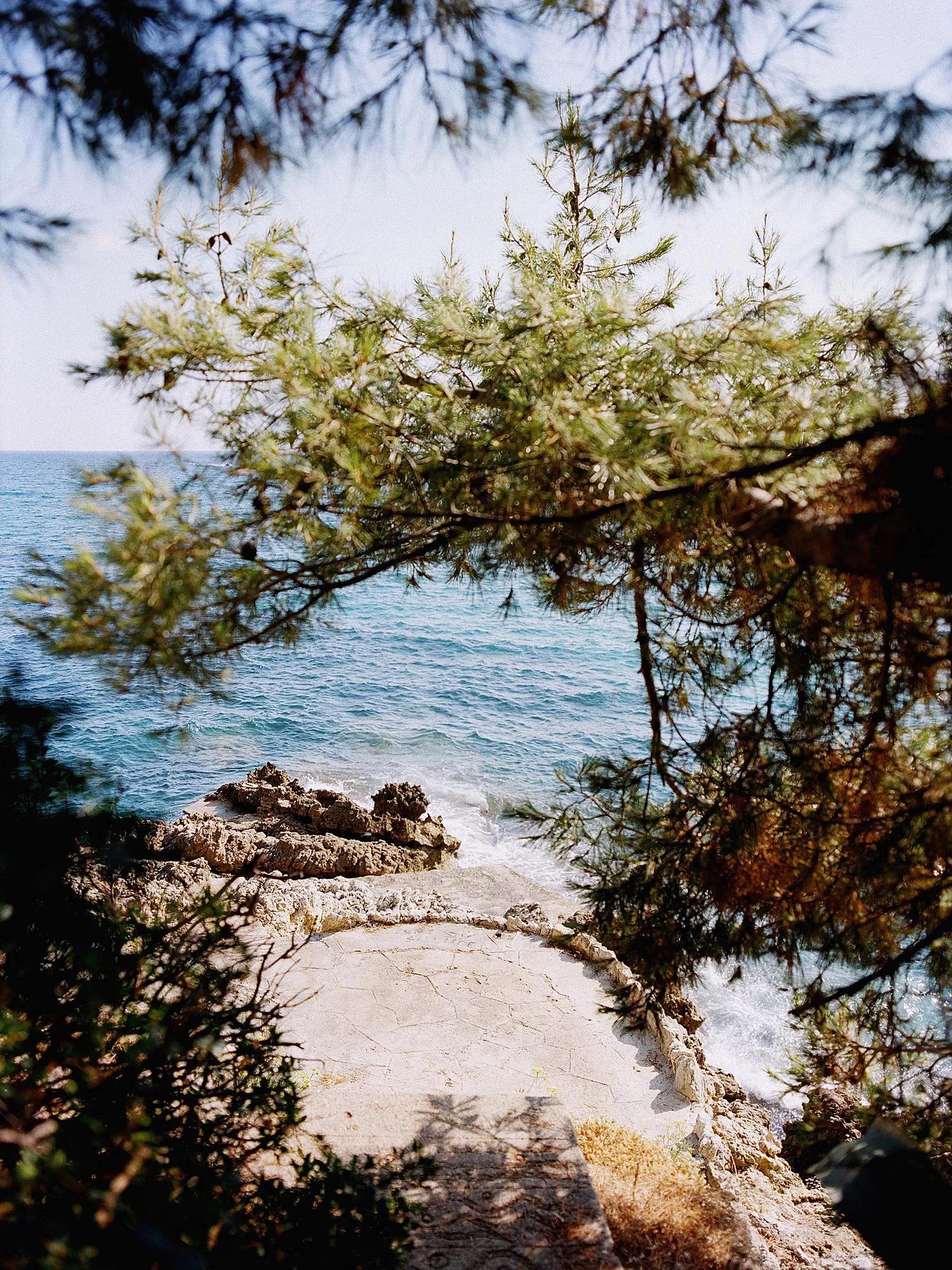
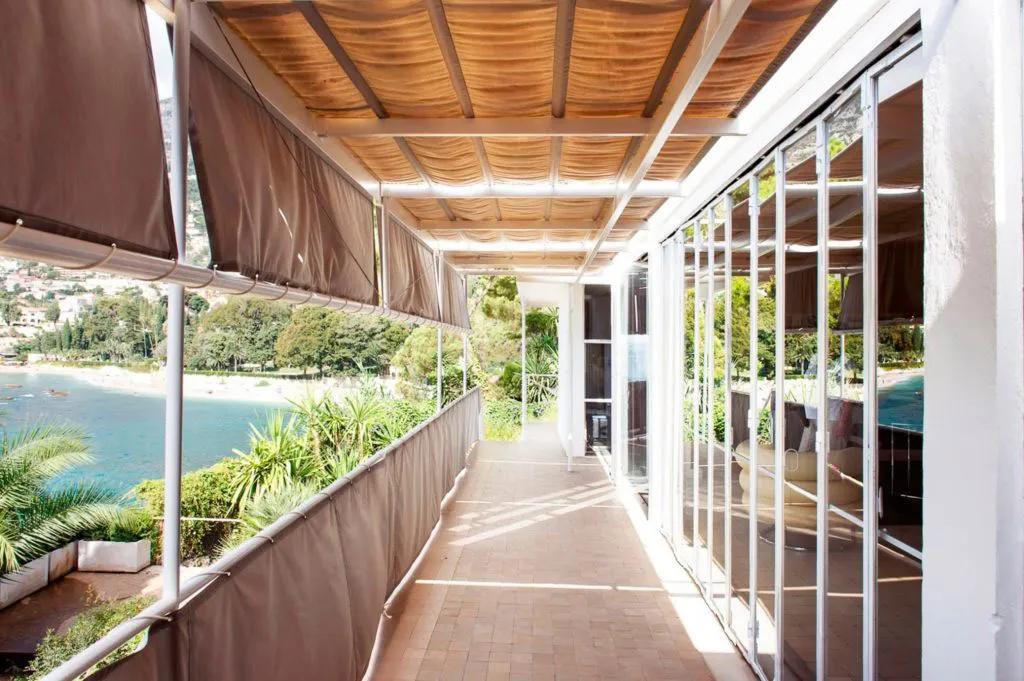
In 1926, Gray purchased a plot on the Côte d'Azur in Roquebrune-Cap-Martin with a beautiful view over the Bay of Monaco. She designed and built the villa with her lover Jean Badovici, a Romanian architect and editor of L'Architecture Vivante. The house was completed in 1929 when Gray was 51. The name E-1027 is a code of their intertwined initials: E for Eileen, 10 for J (the 10th letter), 2 for B, and 7 for G.
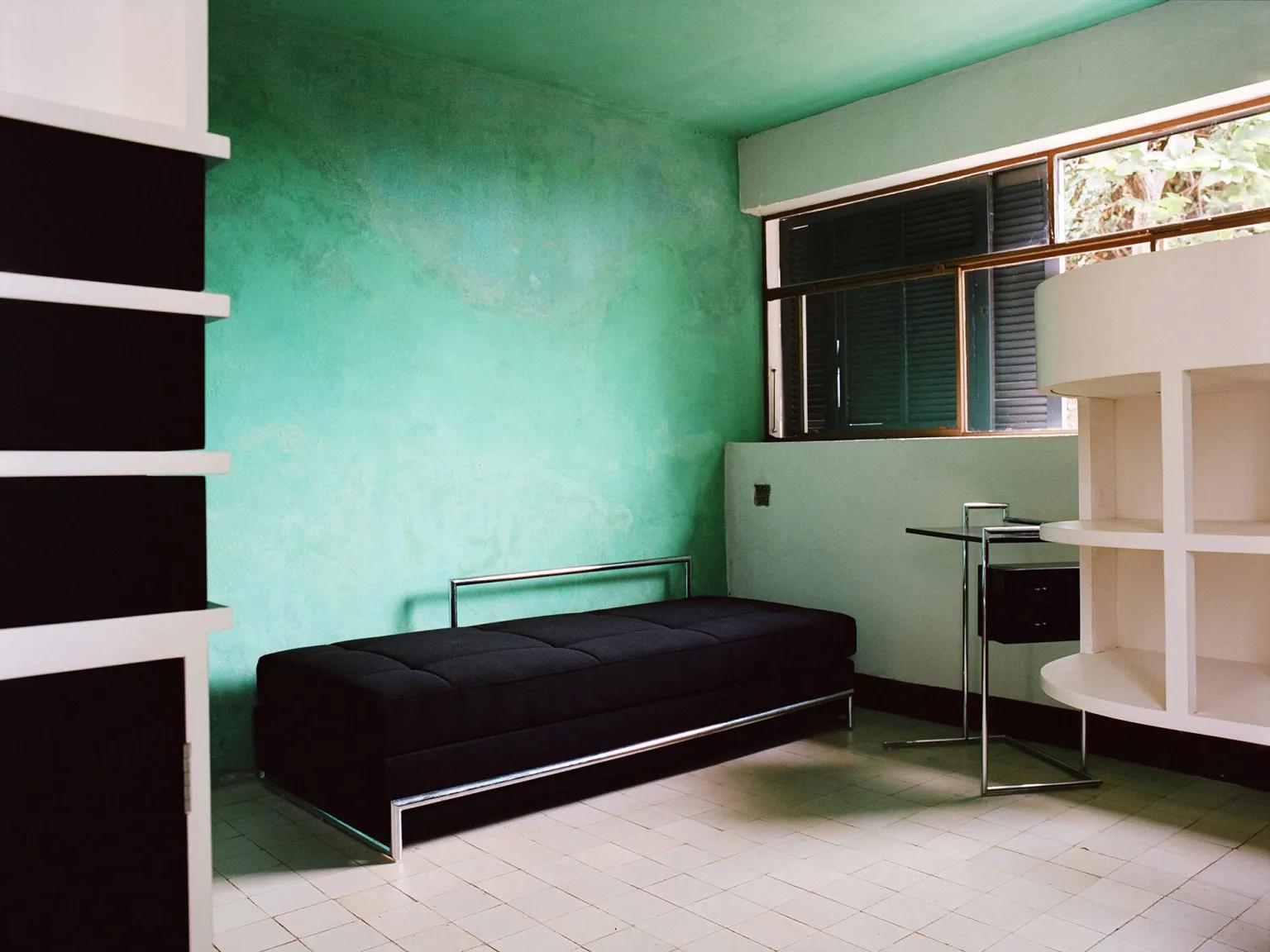
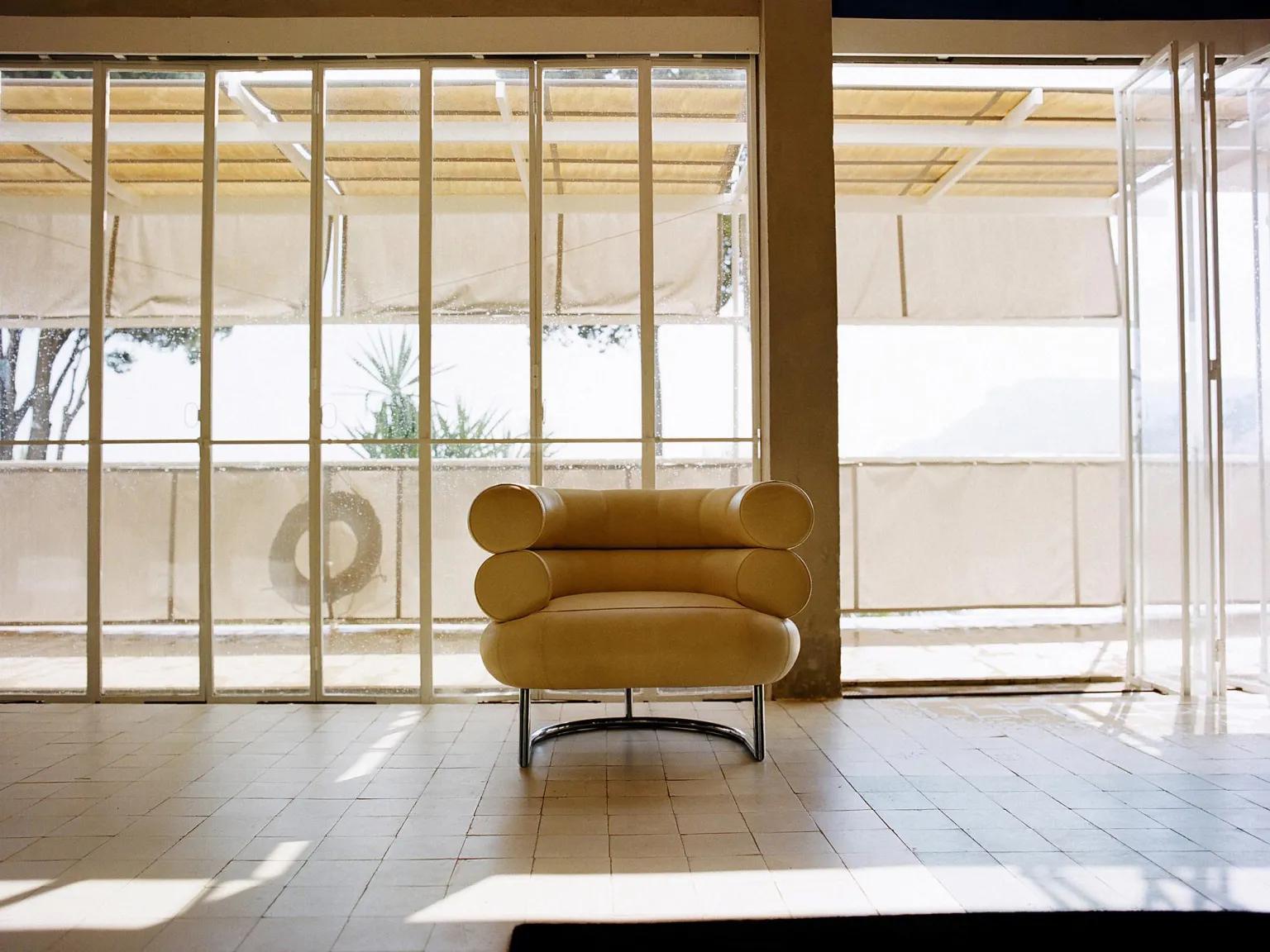
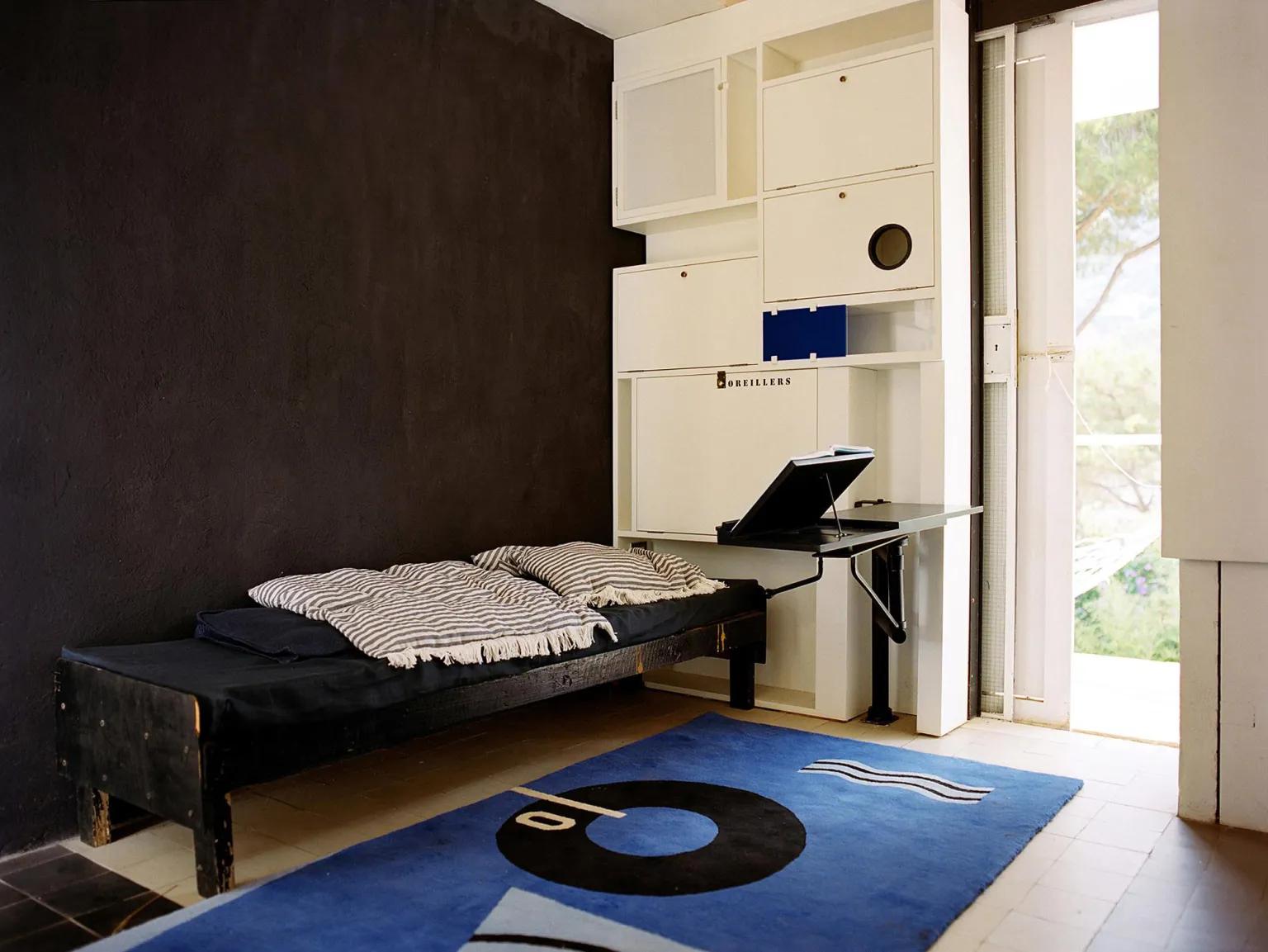
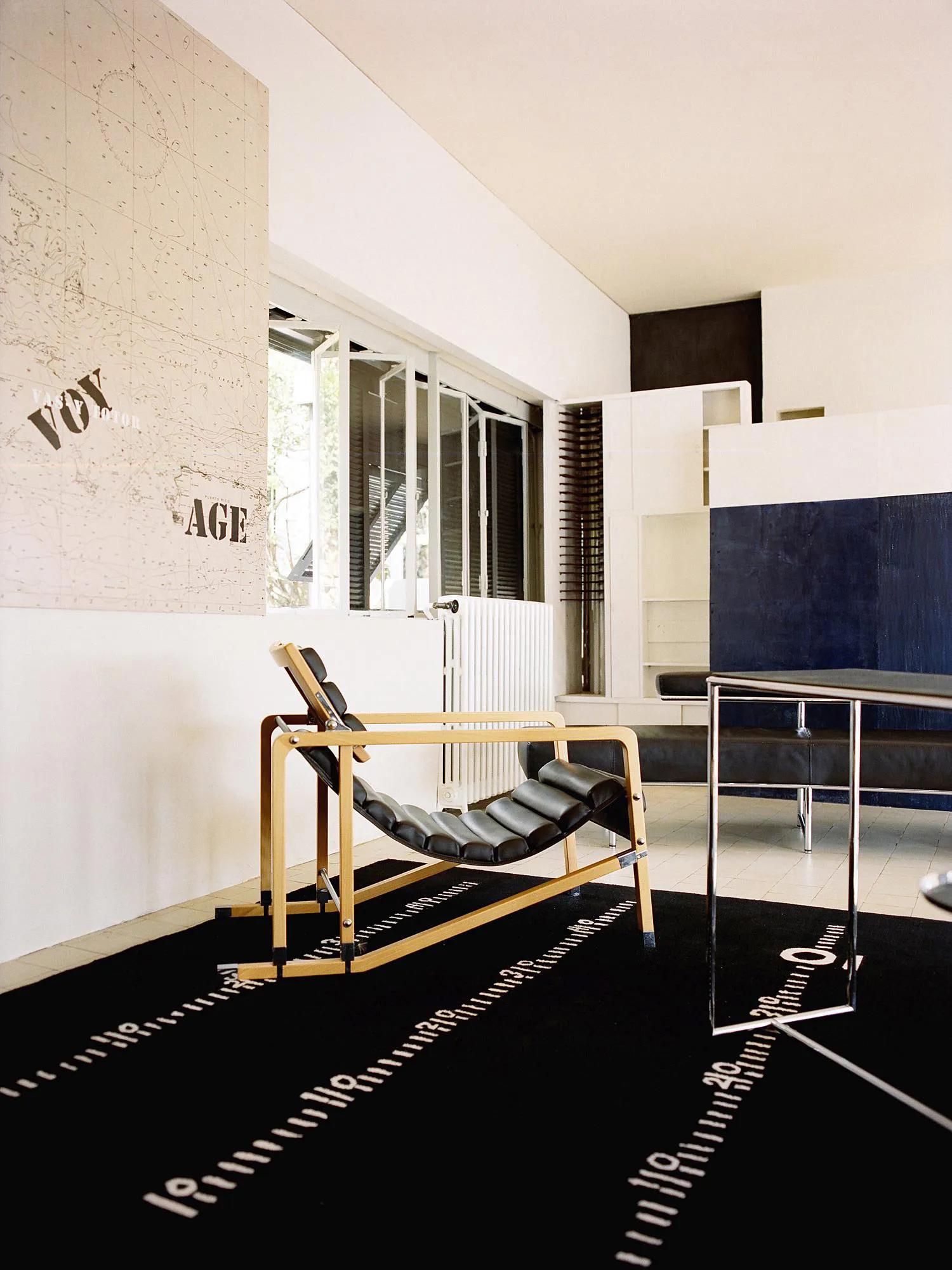
The modernist villa is a white concrete structure with a flat roof and floor-to-ceiling windows. L-shaped and compact, it features a spiral staircase linking the spaces and leading to a rooftop garden with sunbathing area. Gray spent three years designing not just the architecture but every piece of furniture and lighting, creating a total work of art. Her innovative designs included the iconic Non Conformist chair, a dining table with built-in electric light, and a foldable corridor table that transforms into a bar.
The house has a clinical white exterior but is unexpectedly dim inside, with dark blue and black in the most intimate corners. Gray once wrote that a house is not a machine to live in but the shell of man, his extension, his release, his spiritual emanation, a direct critique of Le Corbusier's famous phrase.
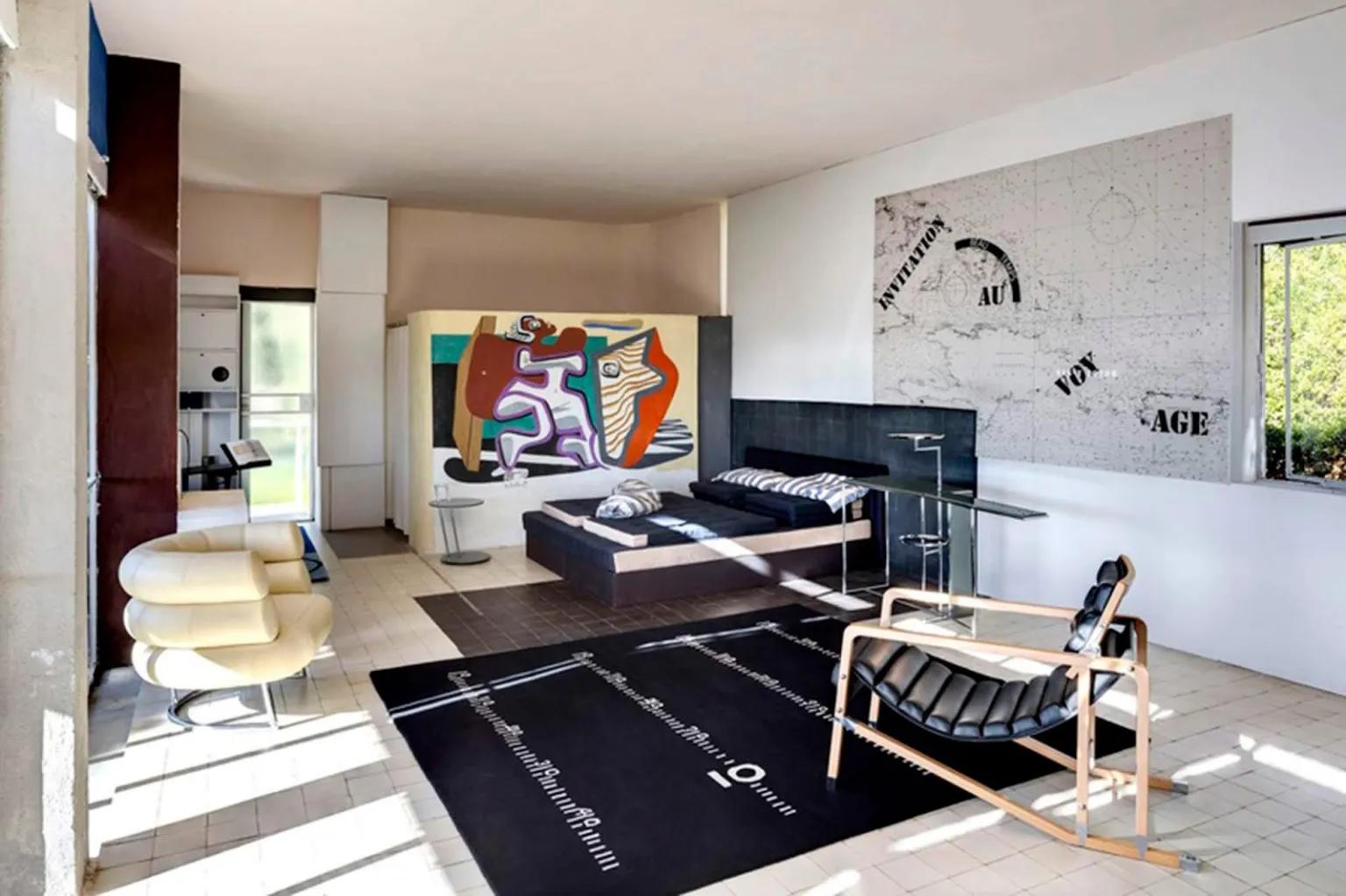
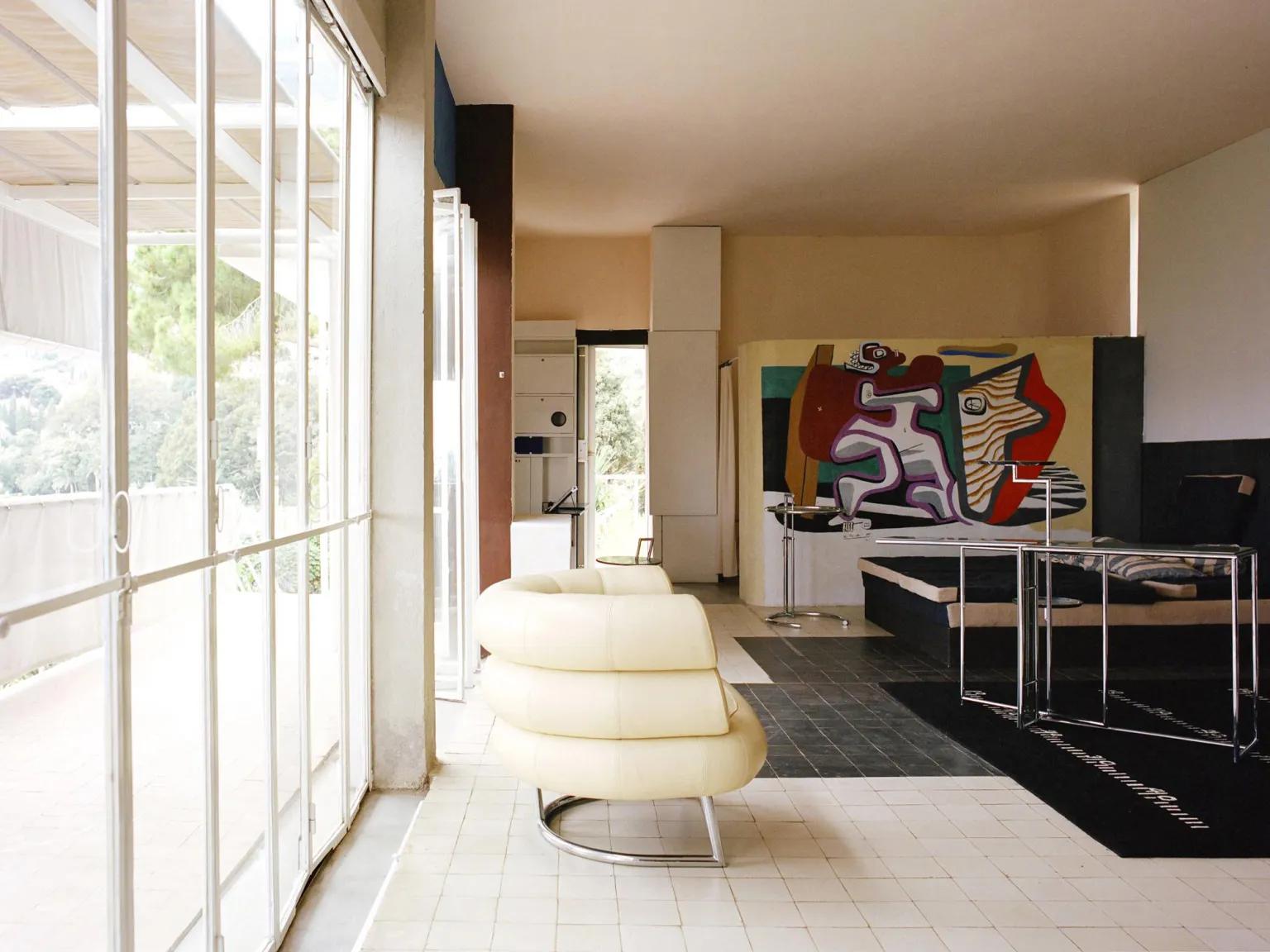
Badovici, visited the house several times. In 1938 and 1939, while staying as a guest, he painted bright murals on the plain white walls, sometimes painting in the nude. This infuriated Gray, who considered the murals outright vandalism. Le Corbusier later bought property just east of E-1027 and built his Cabanon, where he would swim daily. He died swimming at the beach below E-1027 in 1965 at age 77.
Gray was so slow to put her name forward as architect that for many years E-1027 was mistakenly attributed to Le Corbusier. The house endured Nazi occupation, neglect, and even a murder of one owner within its walls. After falling into severe disrepair, the house was acquired in 1999 by the Conservatoire du Littoral. A lengthy restoration began in 2015, and E-1027 finally reopened to the public in July 2021, restored to its 1929 state. Gray died in 1978 at age 99, finally receiving recognition late in life as one of the pioneers of modernist architecture.