CASA LUIS BARRAGÁN
- Luis Barragán
General Francisco Ramírez 12, Col. Extension Daniel Garza, CDMX CP 11840
Luis Barragán was born in 1902 in Guadalajara to a wealthy family and grew up on a large ranch in rural Jalisco. After obtaining a degree in civil engineering in 1925, he spent two years in Europe, where he met Le Corbusier and encountered the modernist movement that would influence his work.
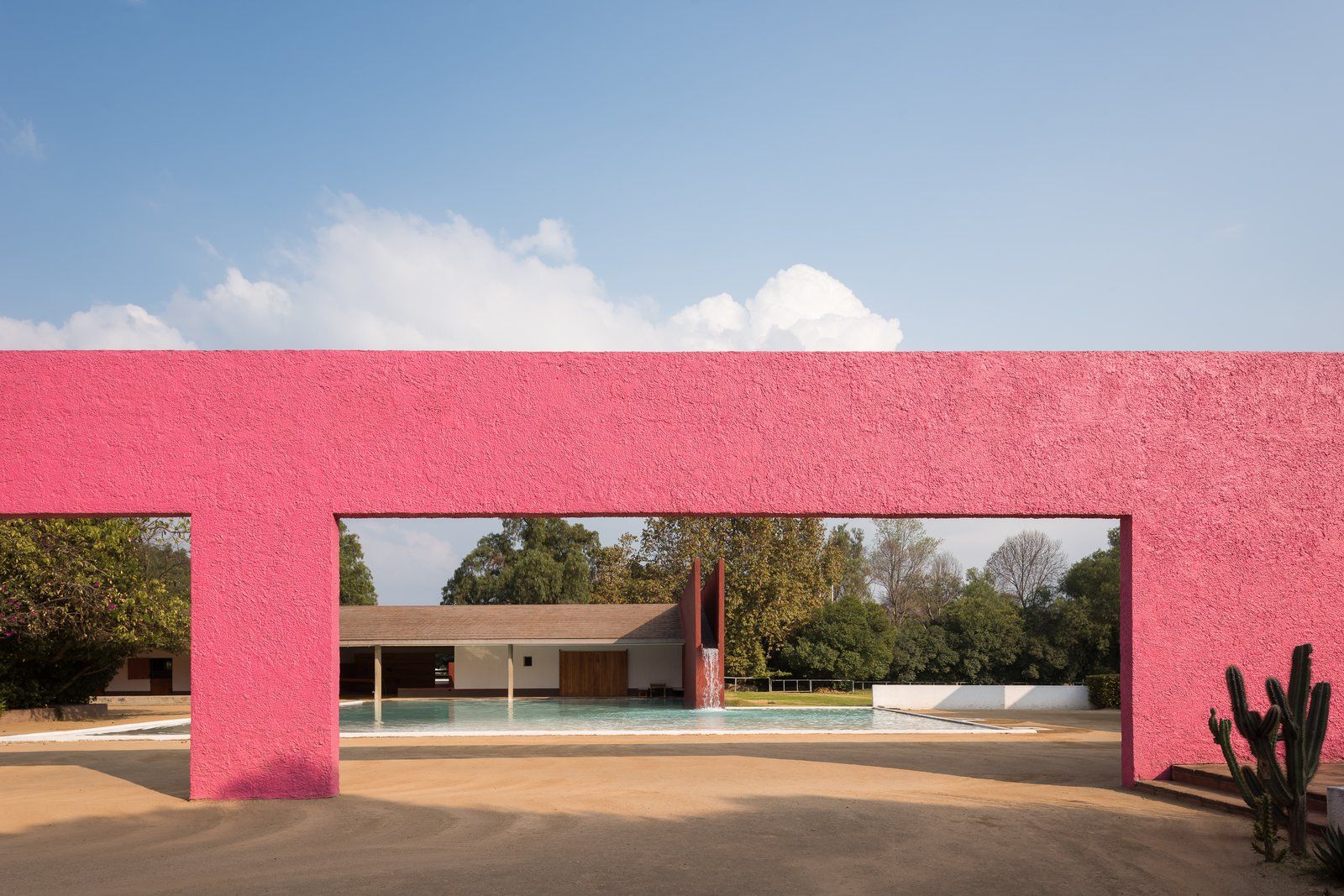
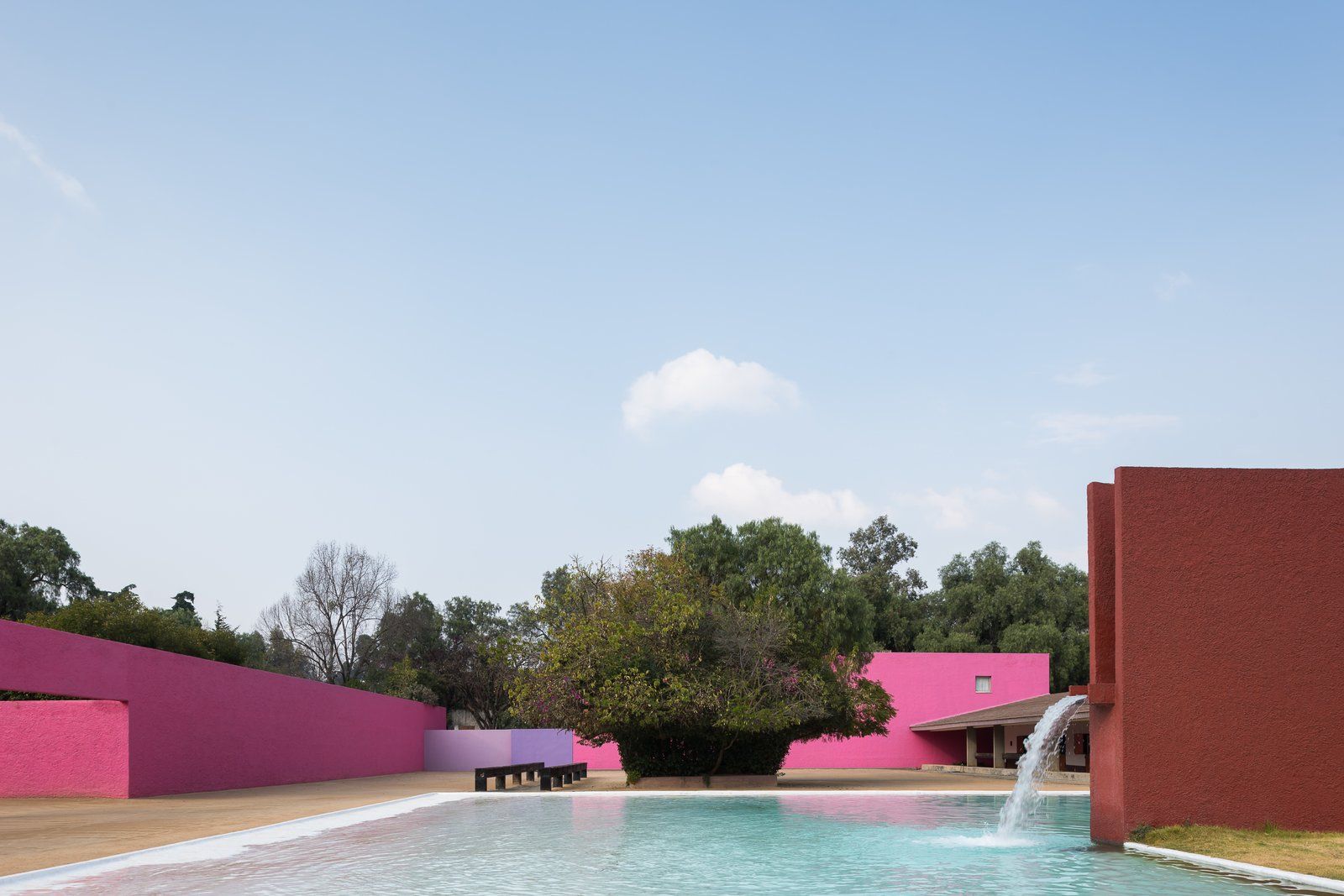
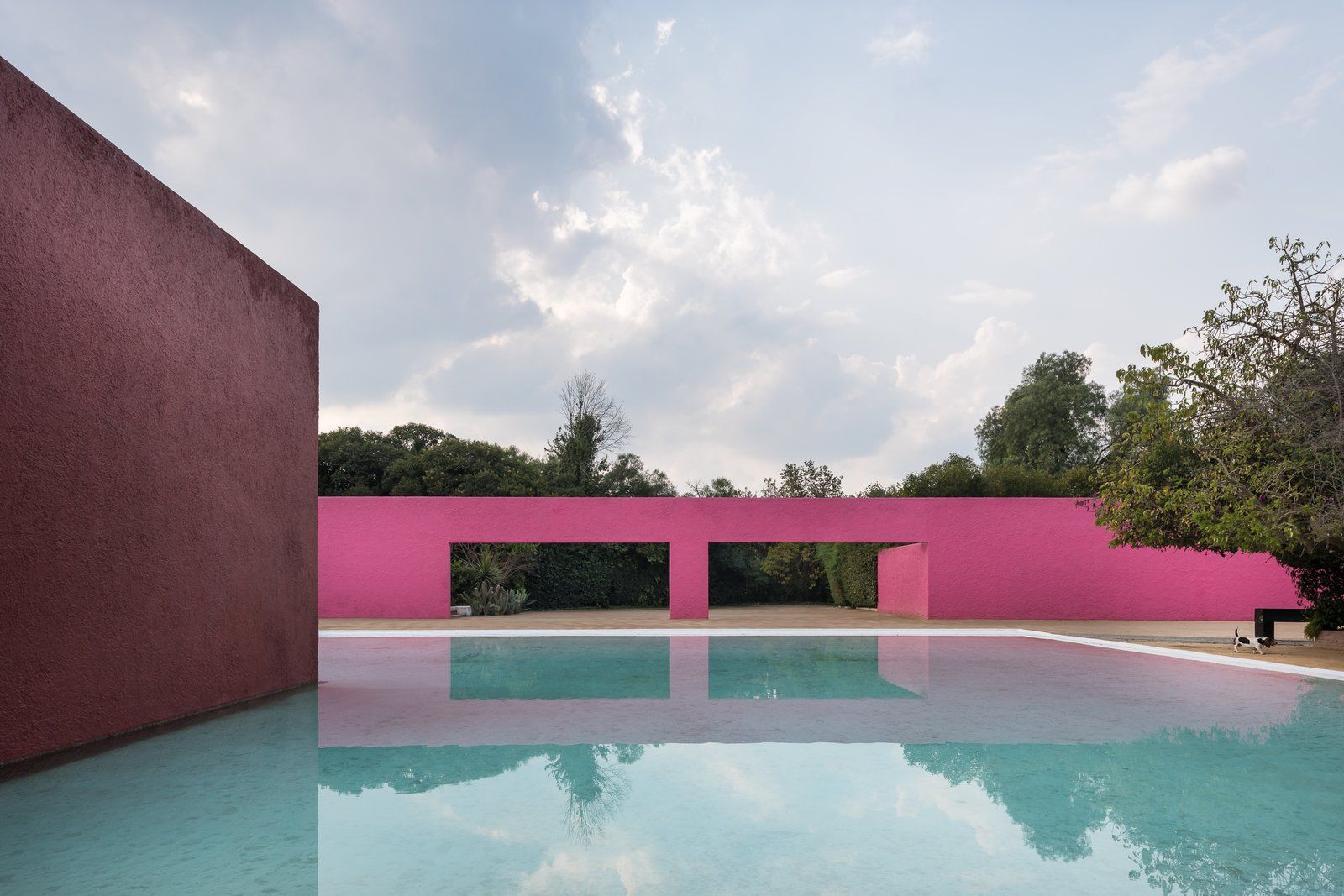

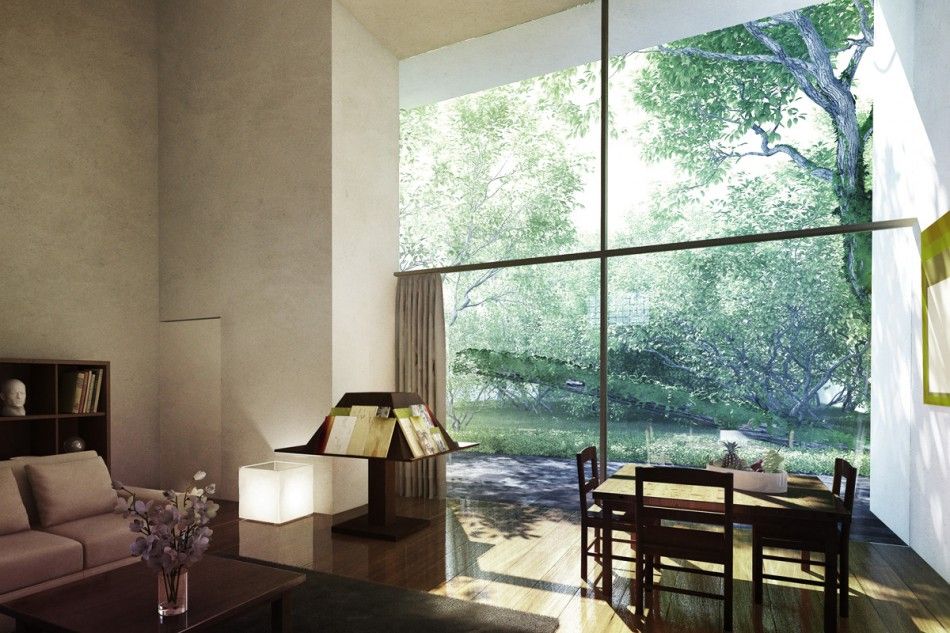
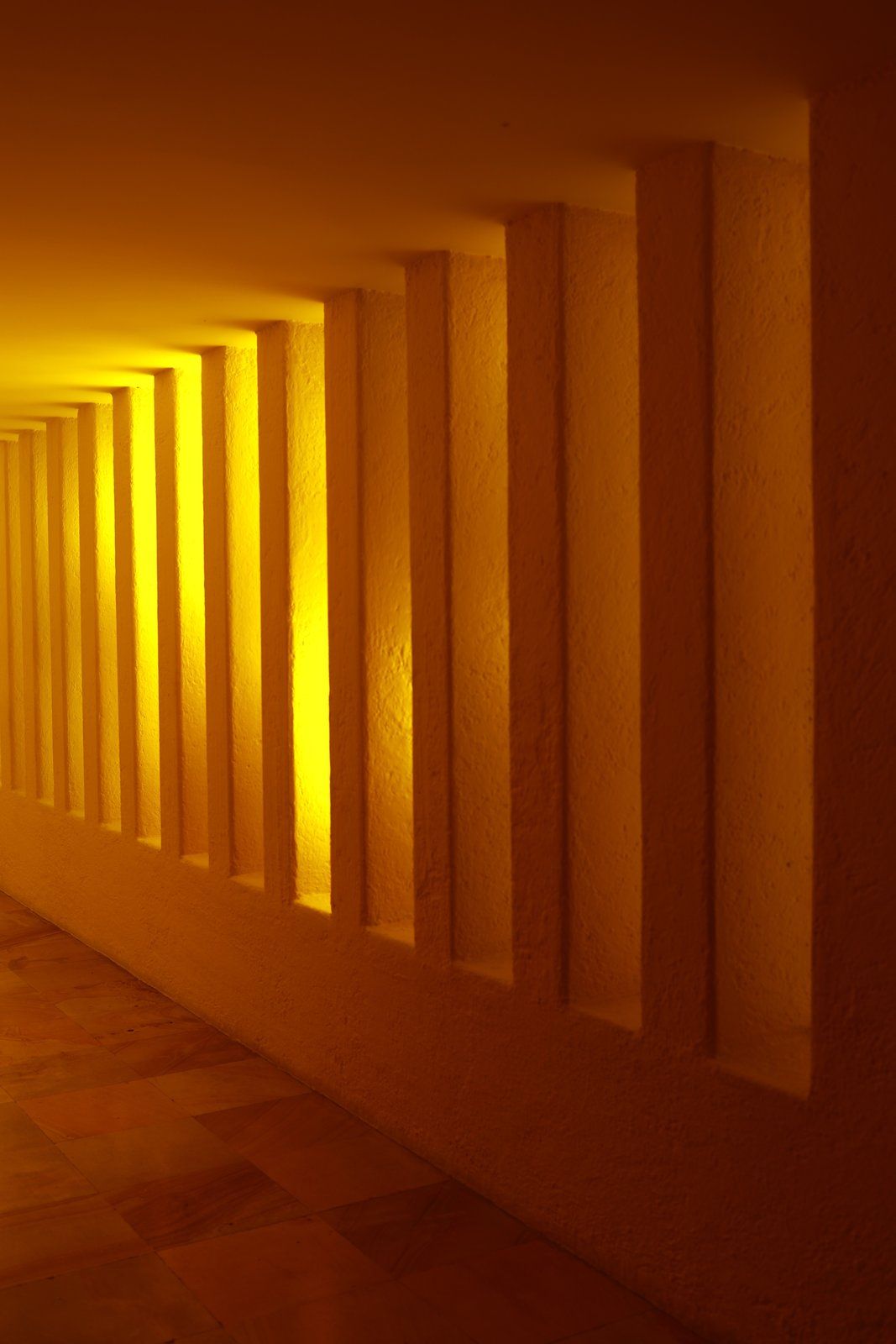
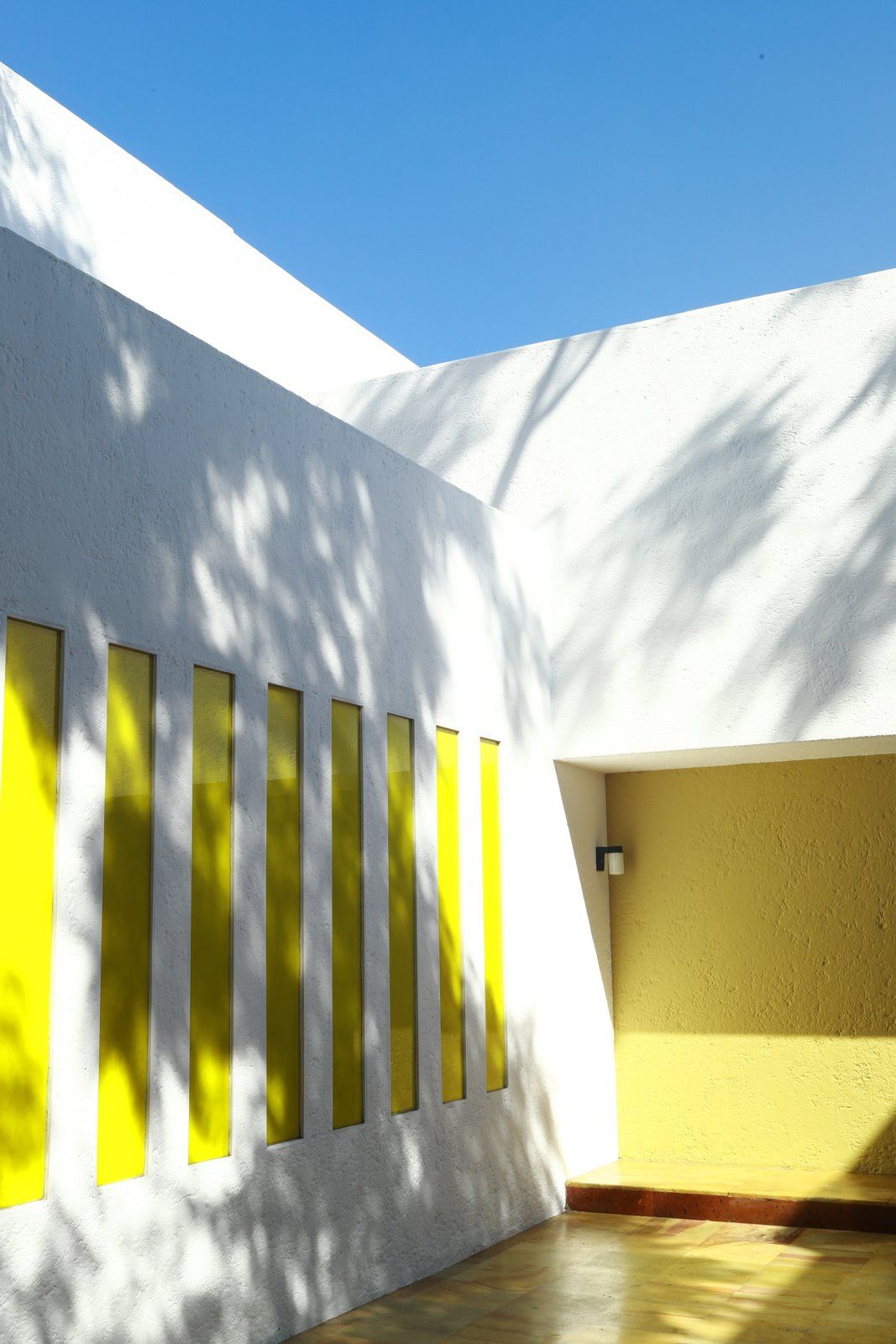
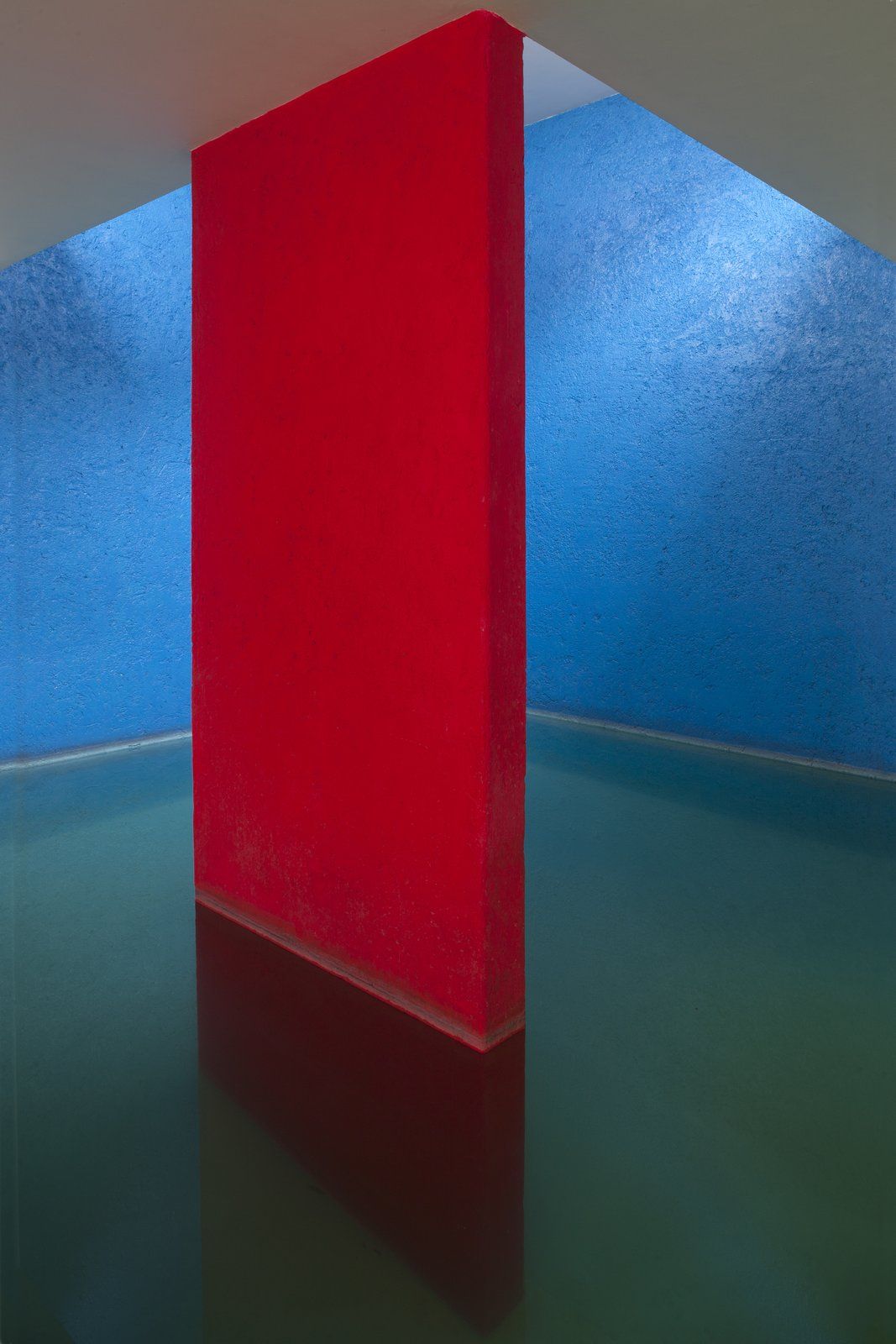
Built in 1948 in the Miguel Hidalgo district of Mexico City, Casa Luis Barragán served as both his residence and studio until his death in 1988. The concrete building reflects his philosophy of integrating modern and traditional Mexican elements into a new context. With the exception of the breakfast nook, the house is designed to not need artificial light during the day. Windows and openings are carefully placed to capture as much natural light as possible, filling the warm spaces with shifting patterns throughout the day.
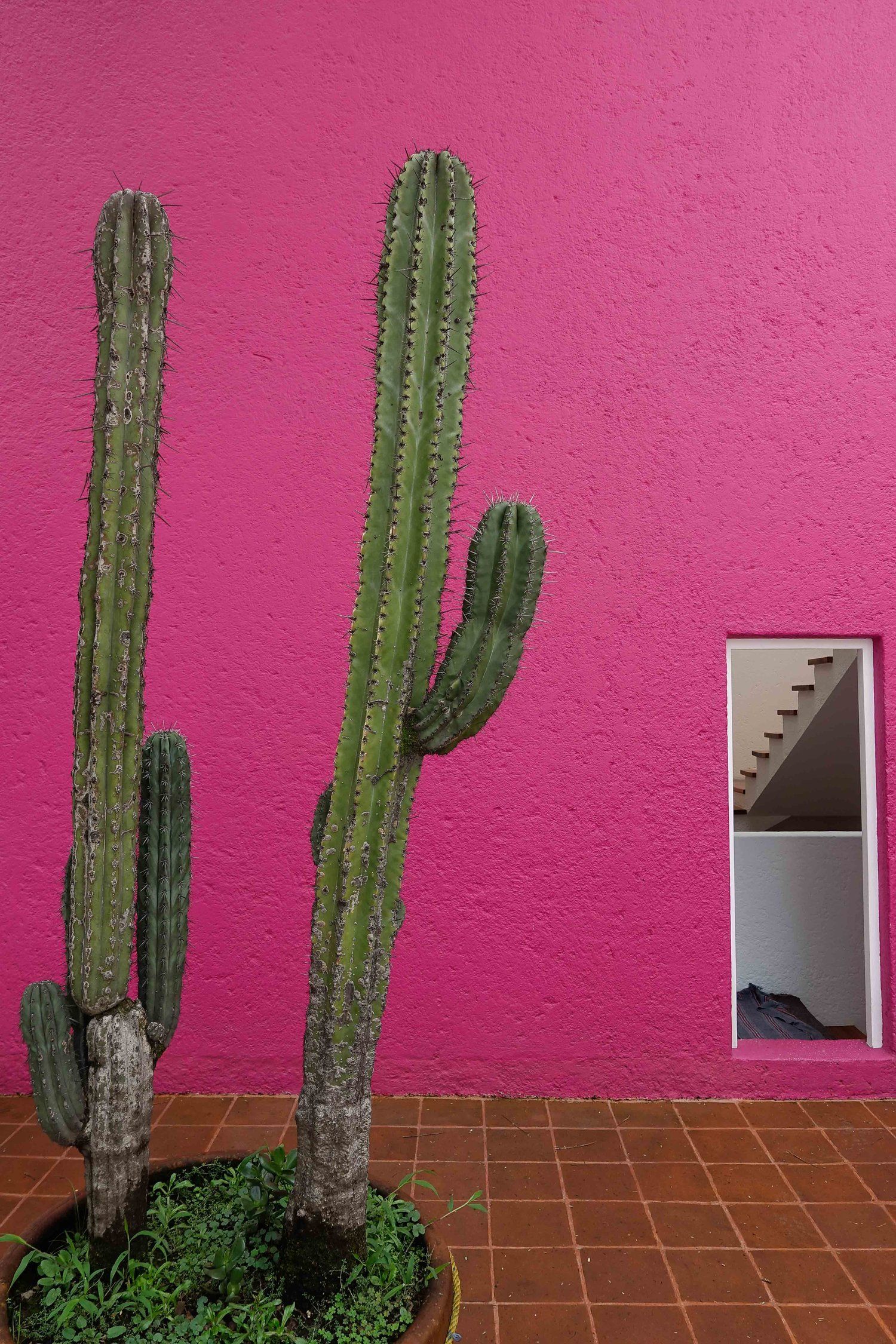
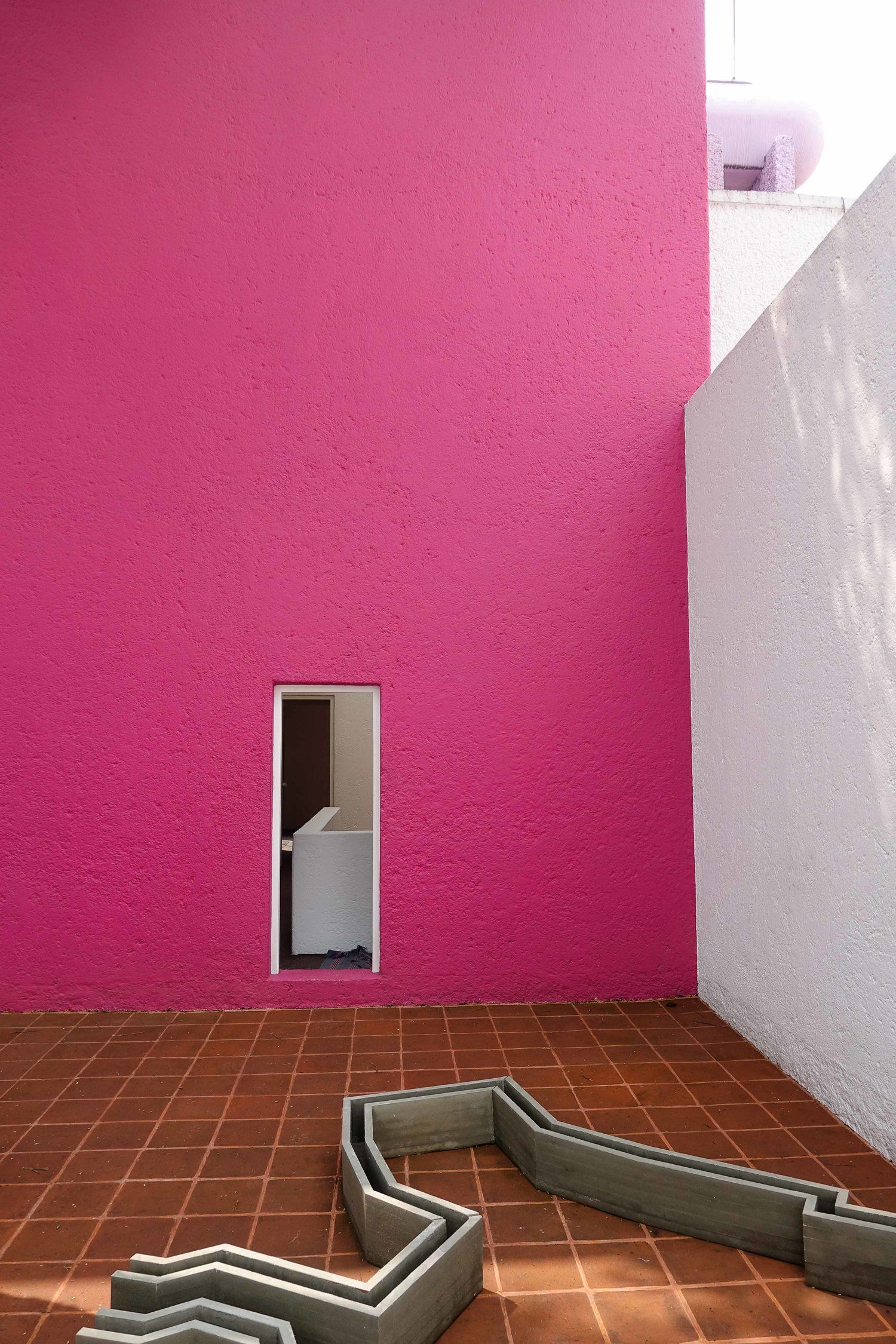
Barragán's work is notable for its use of traditional materials, rich spaces, broad forms, and the use of bright, bold colors. His influence on Mexican architecture remains strong even decades after his death.
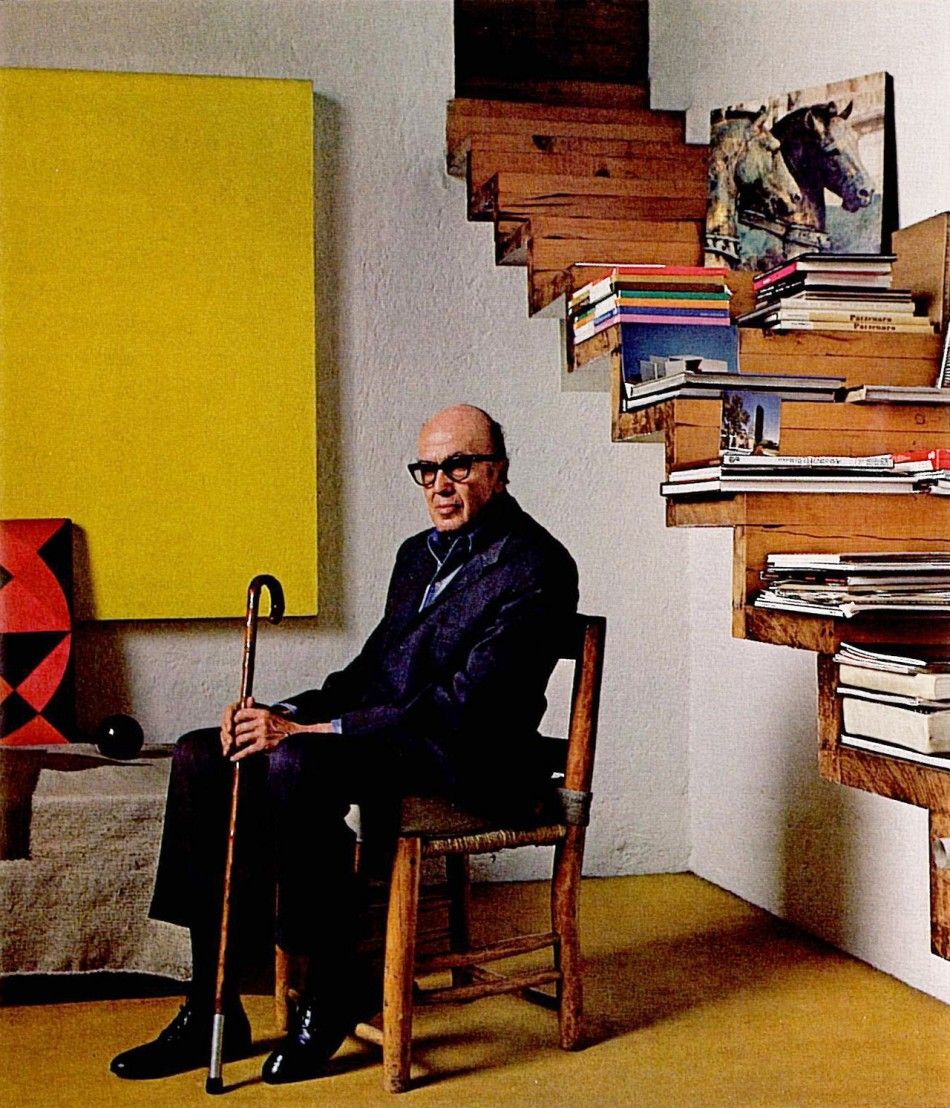
In 1976, the Museum of Modern Art in New York held a major exhibition of his work, and in 1980, he won the Pritzker Architecture Prize, the highest honor in architecture. In 2004, Casa Luis Barragán became a UNESCO World Heritage Site, the only individual property in Latin America to receive this distinction. UNESCO recognized it as a masterpiece in the development of the modern movement that merges traditional and vernacular elements with diverse philosophical and artistic currents.
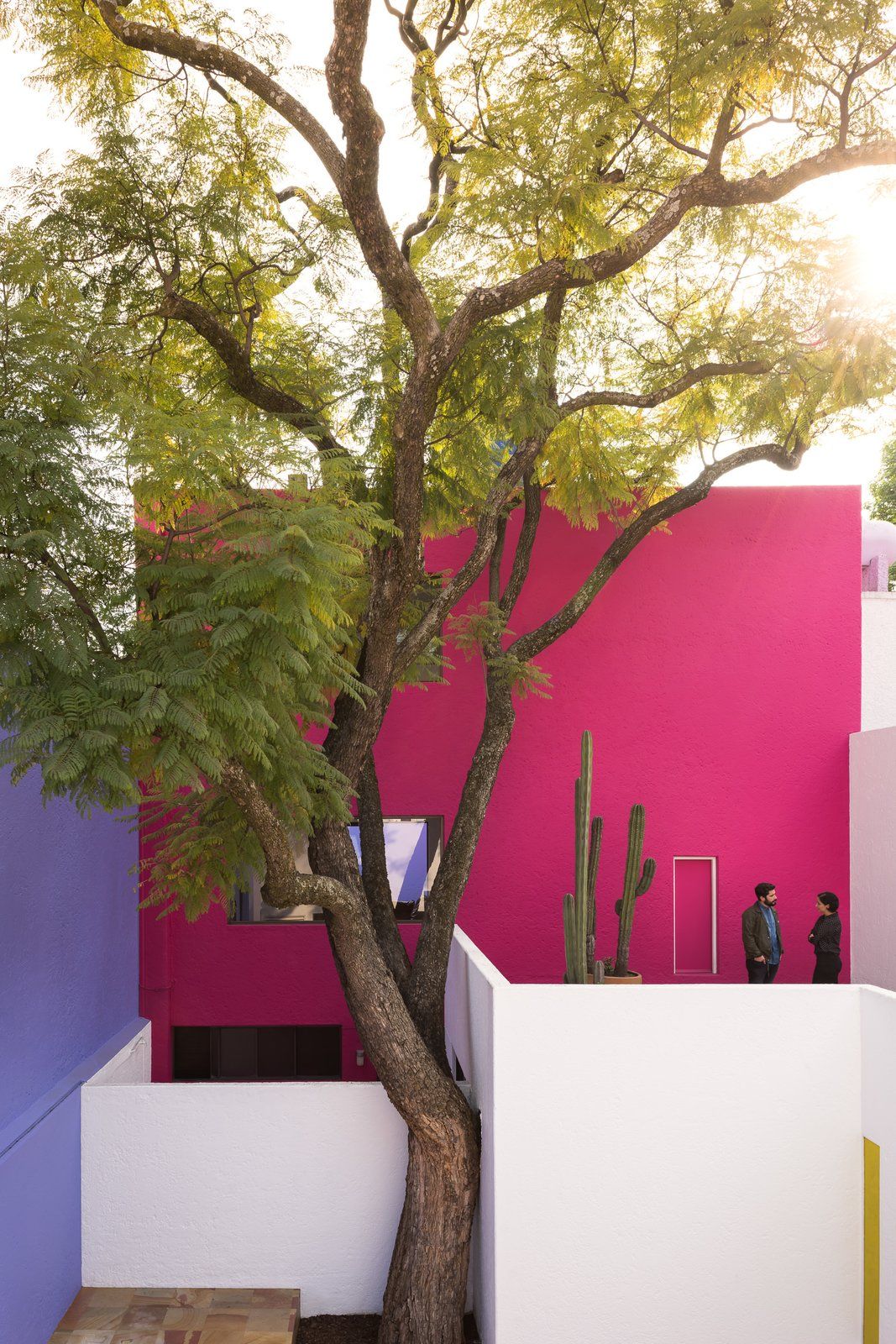
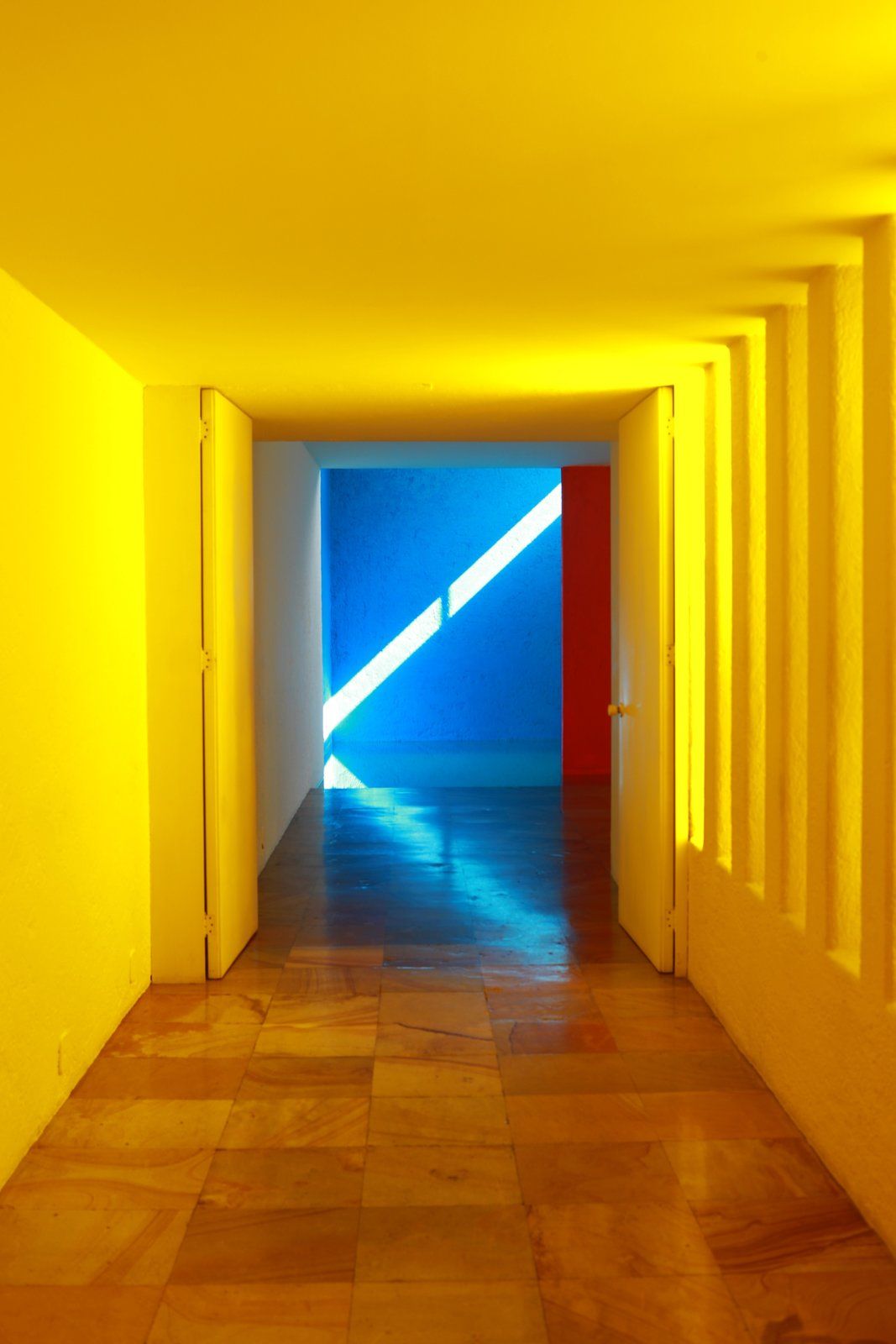
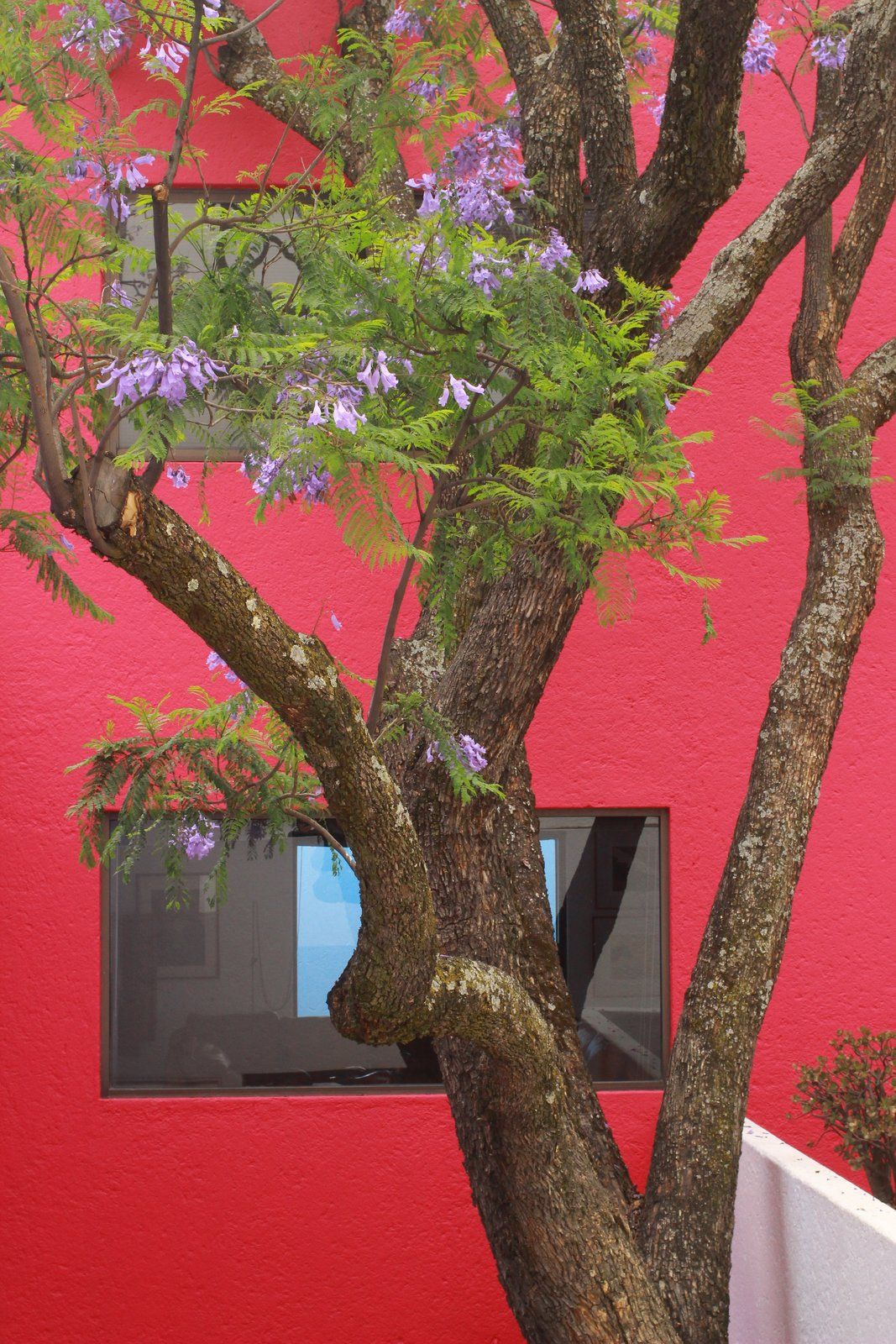
In 1993, the government of the state of Jalisco and the Arquitectura Tapatía Luis Barragán Foundation acquired the house, converting it into a museum in 1994. The house is faithfully kept just as it was when Barragán lived there, with original furniture and his personal objects. His art collection spans the 16th to 20th centuries and includes works by Picasso, Diego Rivera, José Clemente Orozco, Jesús Reyes Ferreira, and Miguel Covarrubias. The museum maintains a library of about 3,000 publications, personal papers, and photographs. Tours are available by appointment only, and the house remains one of the most visited sites in Mexico City.