BLANTON MUSEUM
- Ellsworth Kelly
200 E. Martin Luther King Jr. Blvd., Austin, TX 78712
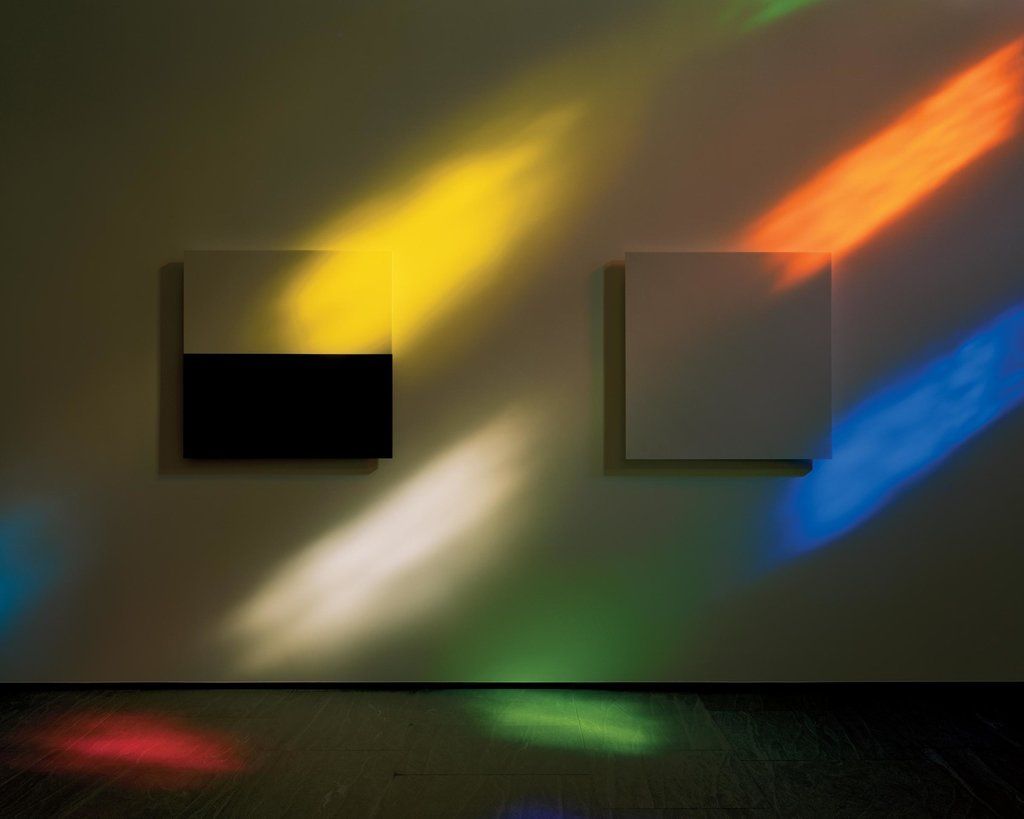
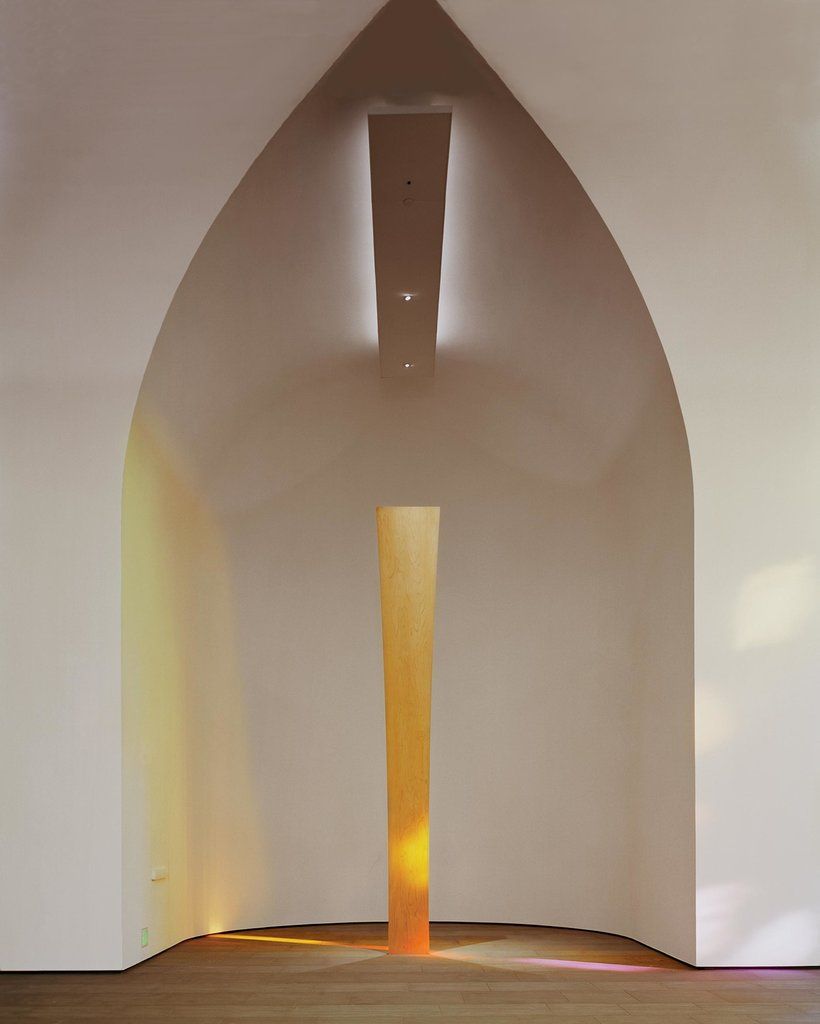
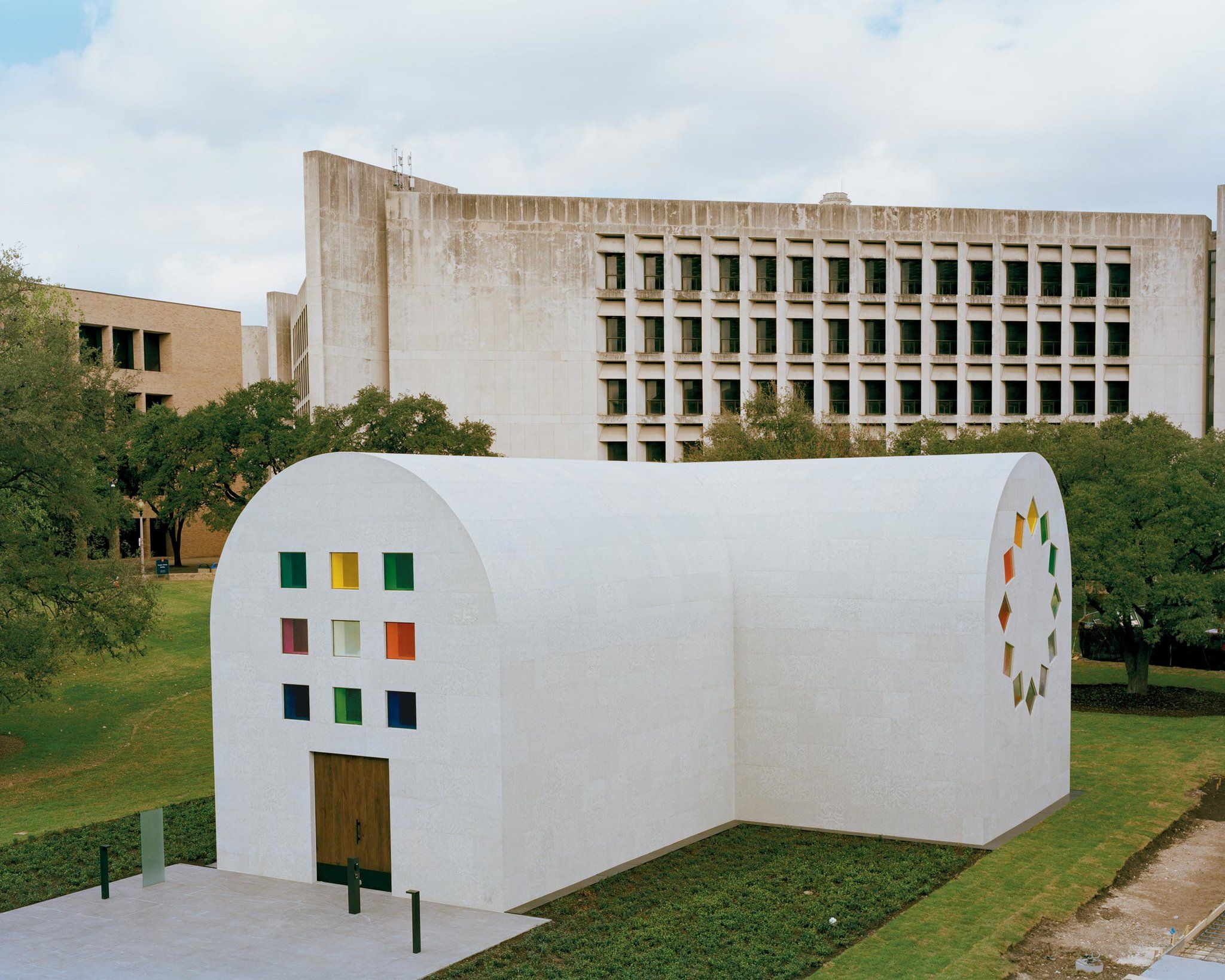
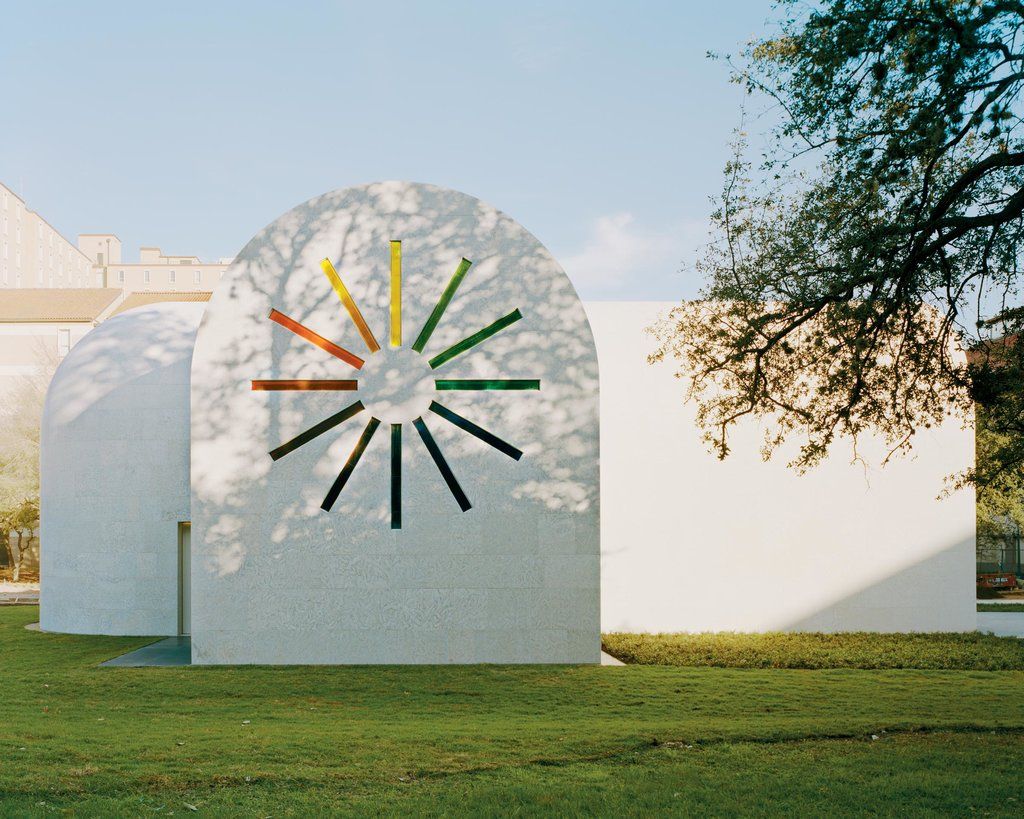
Ellsworth Kelly's Austin is a 2,715 square foot stone building with a 26 foot ceiling, colored glass windows, a totemic wood sculpture, and fourteen black and white marble panels. It is the only building the American artist ever designed, representing the culmination of his seven decade career exploring color, form, and light.
The concept began in 1986 when collector Douglas S. Cramer commissioned Kelly to design a chapel for his California vineyard. The project never materialized, but the idea stayed with Kelly for decades. In 2012, when gallerist Hiram Butler asked if Kelly would donate the design to an institution willing to build it, the 89 year old artist agreed. Butler and architect Rick Archer approached University of Texas, and Blanton Museum director Simone Wicha spearheaded the campaign to raise $23 million for construction and endowment.
Kelly gifted the design to the Blanton in January 2015 and named it Austin in honor of the city. Construction began in December 2015, just two months before his death at age 92. For the first time in his career, he worked with colored glass, testing countless samples at his studio. Each of the 33 windows is composed of three different colors of glass laminated together to achieve the exact shade he envisioned. The structure is clad with 1,569 limestone panels from Spain, while the entry door is crafted from a native Texas live oak tree.
Kelly, a lifelong atheist, created what he called a place of calm and light, stripping away explicit religious imagery while relating to the modernist tradition of artist designed structures like the Rothko Chapel and Matisse's chapel in Vence. The 18 foot tall redwood totem stands in the windowless wing, while the black Belgian marble and white Italian marble echo the Stations of the Cross in purely abstract form.
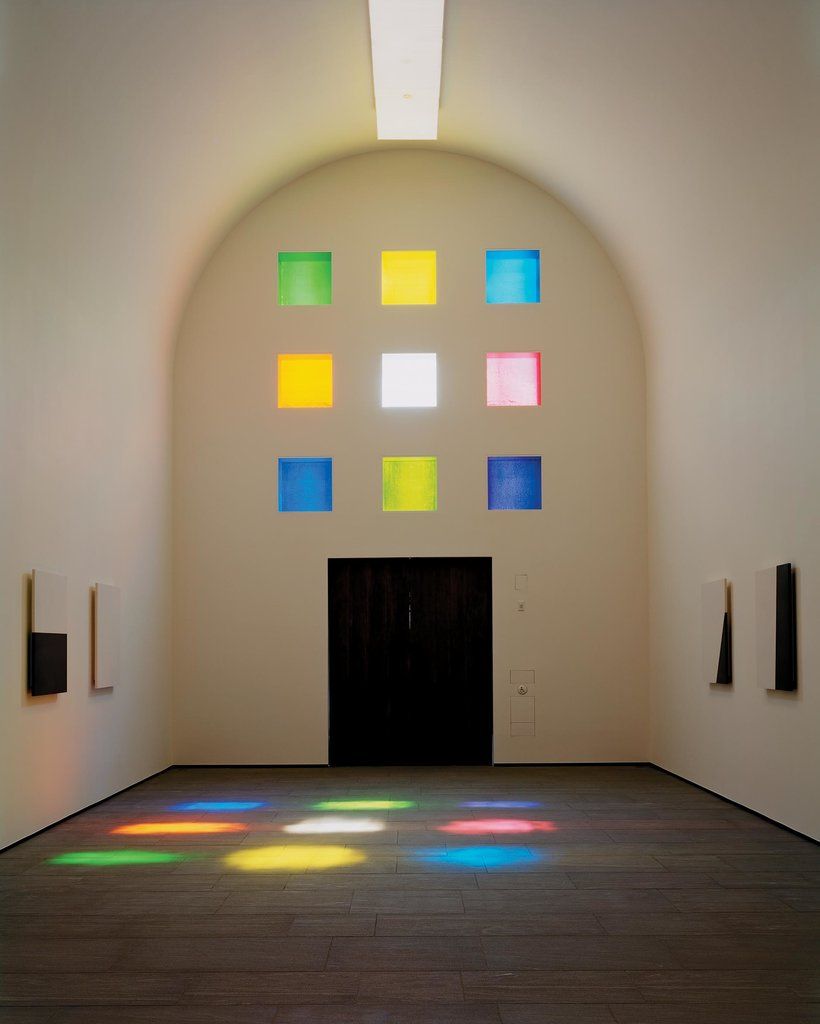
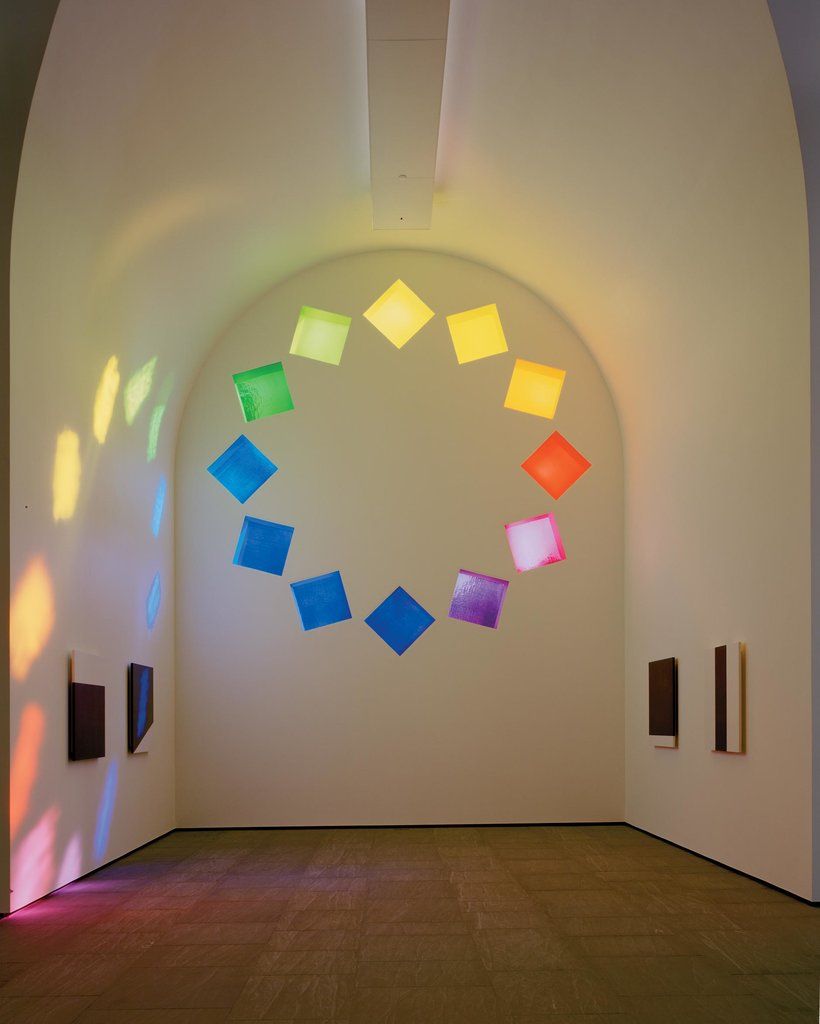
Austin opened to the public on February 18, 2018. Because its interior light constantly changes with the sun's intensity and angle, it is also a time based work, attuned to nature. Kelly hoped visitors would go there to rest their eyes and minds. It stands as his final masterpiece and his gift to a city that embraced his vision.