BLACK MOUNTAIN COLLEGE
- John Andrew Rice, Theodore Dreier, Frederick Georgia, and Ralph Lounsbury
120 College Street, Asheville, North Carolina 28801
Black Mountain College was an experimental liberal arts school founded in 1933 by John Andrew Rice, Theodore Dreier, Frederick Georgia, and Ralph Lounsbury after they were dismissed from Rollins College for refusing to sign a loyalty pledge. Located in the Blue Ridge Mountains near Asheville, North Carolina, the school was governed democratically by both students and teachers, believing that the arts are central to learning and that education should focus on the individual rather than the institution.
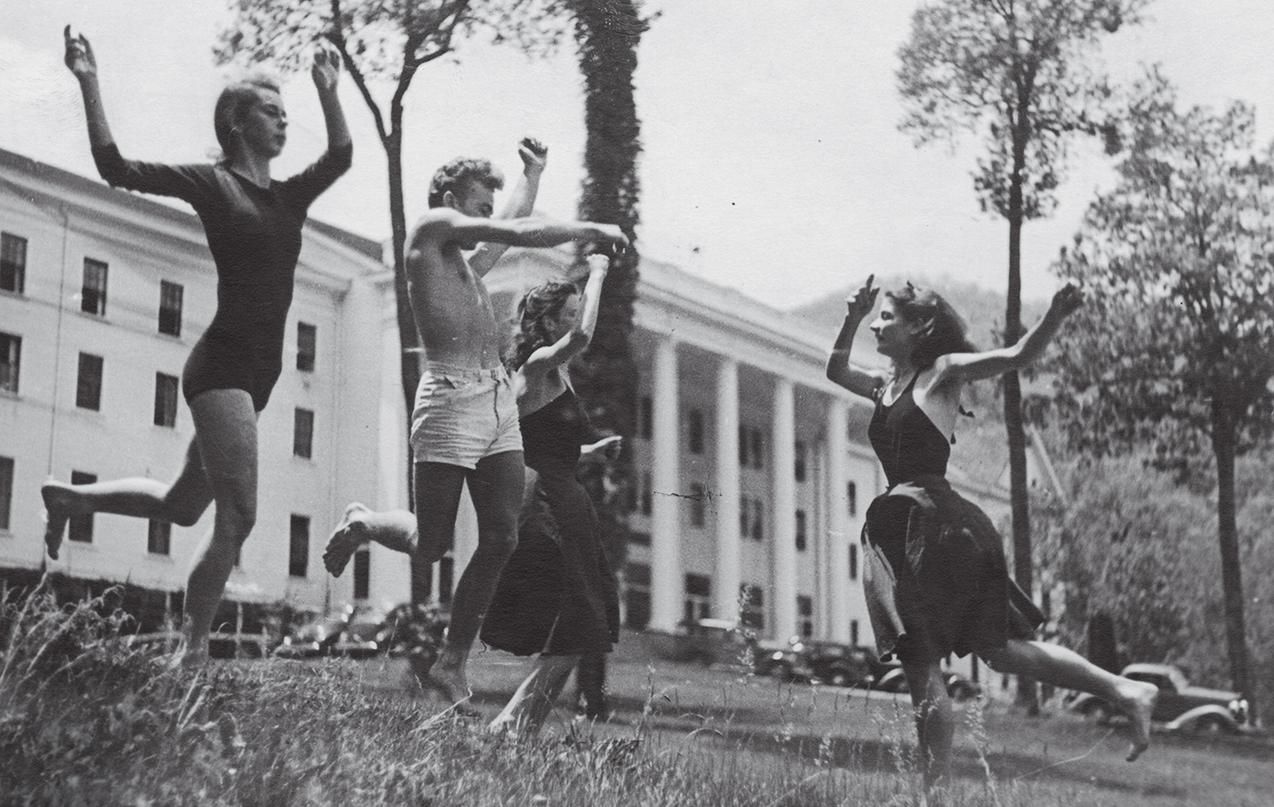
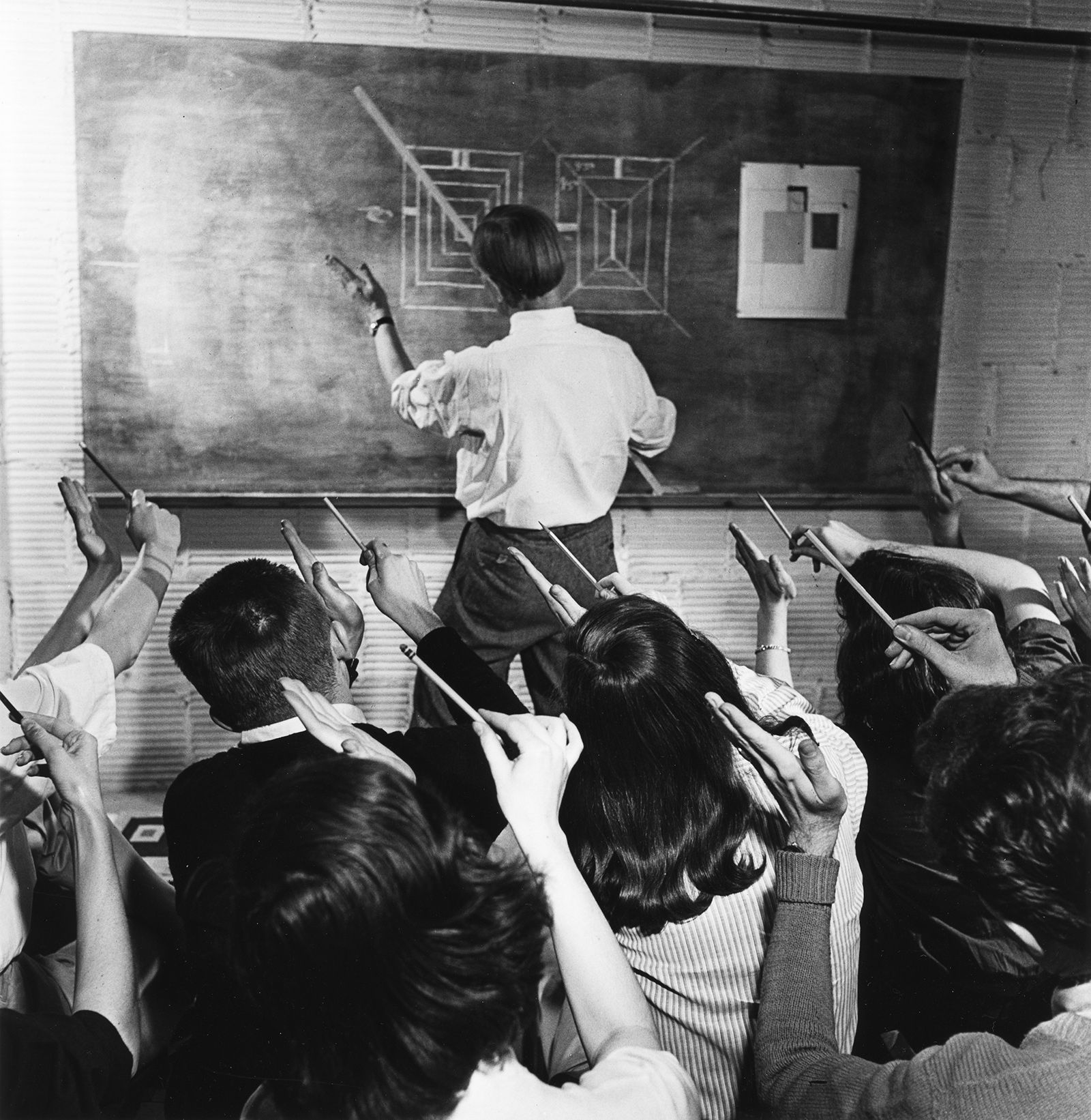
The college had no course requirements, official grades, accredited degrees, entry exams, or tuition. Students graduated when they felt ready, receiving hand-crafted diplomas. Everyone participated in the college's operations, including farming, construction, and kitchen duty. Classes could happen anywhere, even outdoors in the middle of the night. This radical approach attracted maverick spirits from around the world.
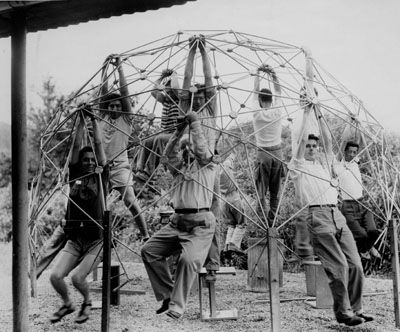
Many faculty members came from the Bauhaus, which the Nazis shut down in 1933. Josef Albers became the college's first art teacher, while his wife Anni Albers taught weaving and textile design. The school became legendary as an incubator for talent. Buckminster Fuller and students built the first large-scale geodesic dome here. Merce Cunningham formed his dance company at the college. John Cage staged his first musical happening on campus. In the 1950s, Charles Olson founded The Black Mountain Review and developed the Black Mountain poets movement with Robert Creeley.
A remarkable roster passed through these halls, including Willem and Elaine de Kooning, Robert Rauschenberg, Jacob Lawrence, Cy Twombly, Susan Weil, Ruth Asawa, Franz Kline, Arthur Penn, and Dorothea Rockburne. Their work would shape modern art, dance, music, and literature for decades to come.
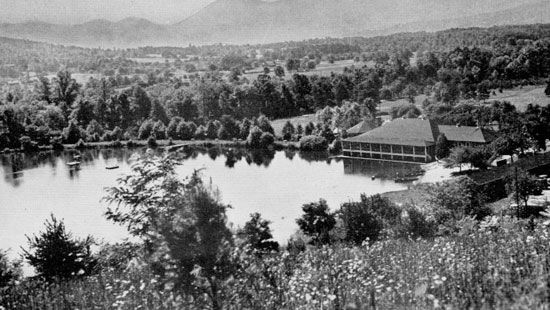
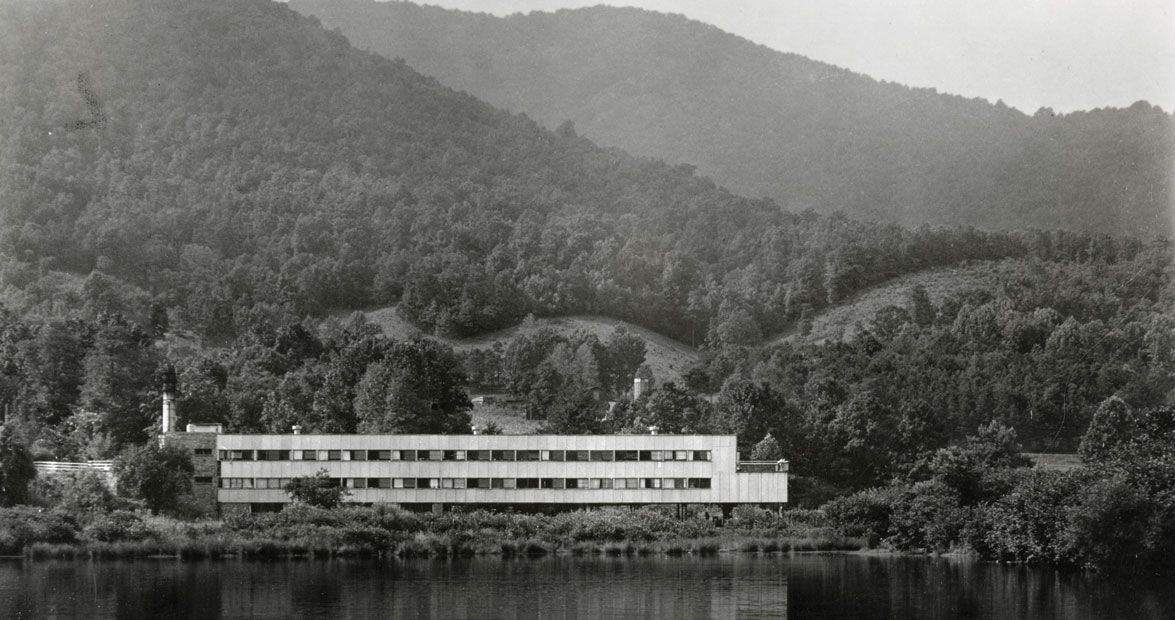
The college closed in 1957 due to financial difficulties, with debts finally settled in 1962. The original campus at Lake Eden, about 20 minutes east of Asheville, is now privately owned. Two frescoes painted by Jean Charlot in 1944 remain intact on the site, and the Black Mountain College Museum & Arts Center offers walking tours of the historic campus buildings in partnership with Lake Eden Preserve.
Founded in 1993 by arts advocate Mary Holden, the museum opened in a 6,000 square foot space in downtown Asheville in 2018. It preserves and continues the college's legacy through rotating exhibitions, a research center, an oral history program, and public events like the annual ReVIEWING International Conference. The museum's collection includes over 3,000 pieces connected to Black Mountain College, from sculptures and paintings to photographs, ephemera, and primary source materials, all offered to visitors free of charge.