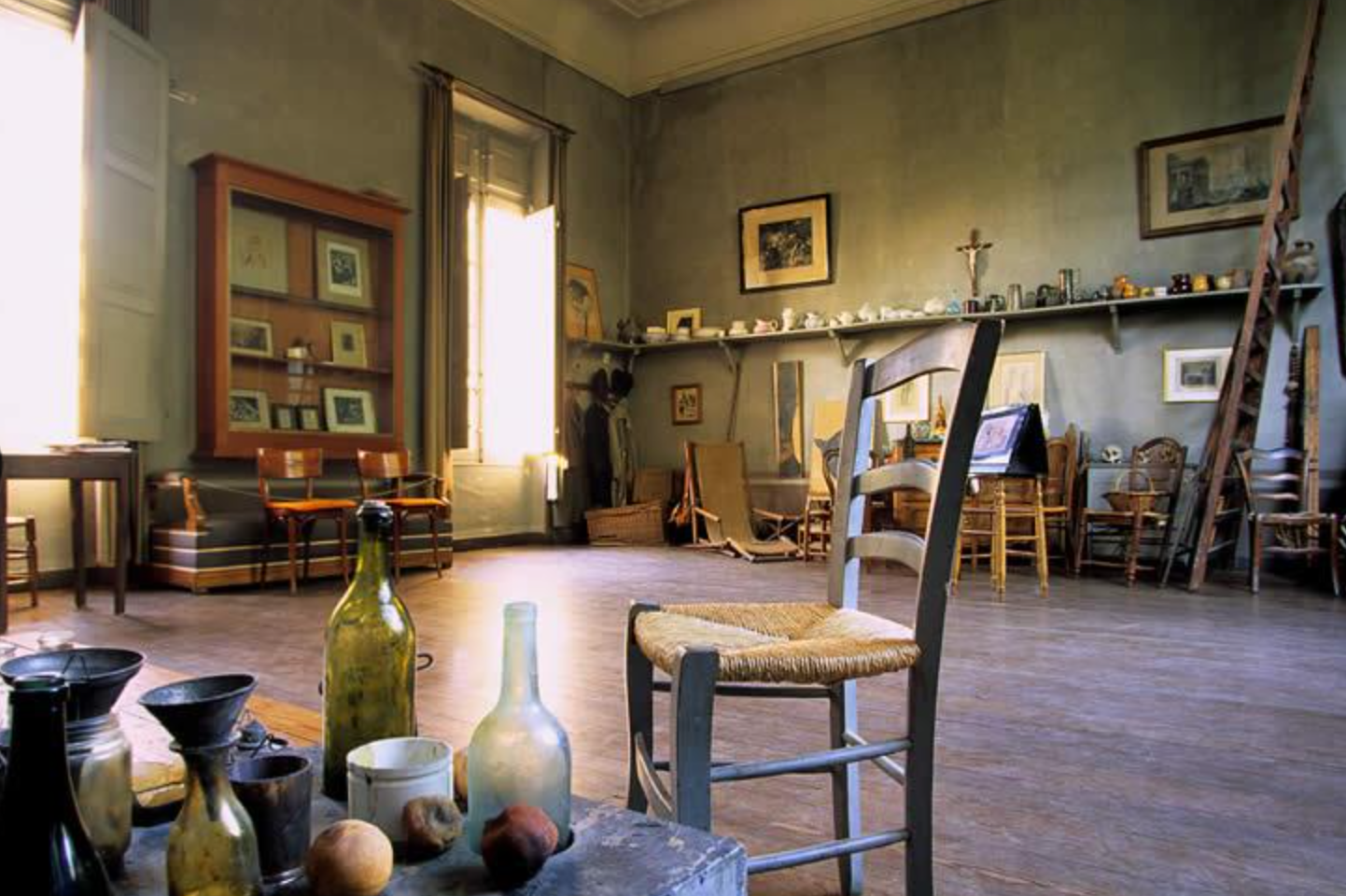
Atelier des Lauves
- Paul Cézanne
13 Av. Paul Cézanne, 13100 Aix-en-Provence, France
Paul Cézanne was born in Aix-en-Provence in 1840. His approach to form and color influenced generations of artists including Picasso and Matisse. Despite achieving recognition late in life, Cézanne remained devoted to his hometown and the surrounding Provençal landscape, particularly the iconic Mont Sainte-Victoire.
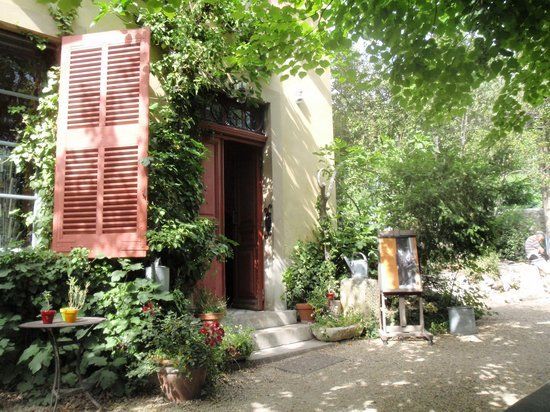
In 1901, Cézanne stumbled upon a hut and land for sale on the Lauves hill while painting outdoors. He fell in love with the site, which offered a unique panorama of the Sainte-Victoire mountain, and purchased the property along with 7,000 square meters of land planted with olive and fig trees.
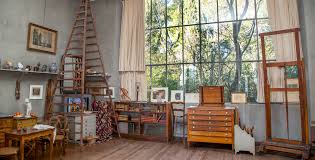
According to his own plans, Cézanne had a studio built on the property. After ten months of work, he moved in September 1902. The studio was a place of silence and light. Writers who visited in 1905 noted that his studio was a big mess, with canvases piling up in every corner. The large north-facing window provided the natural light Cézanne preferred. Here, he created his final masterpieces including the Grandes Baigneuses.
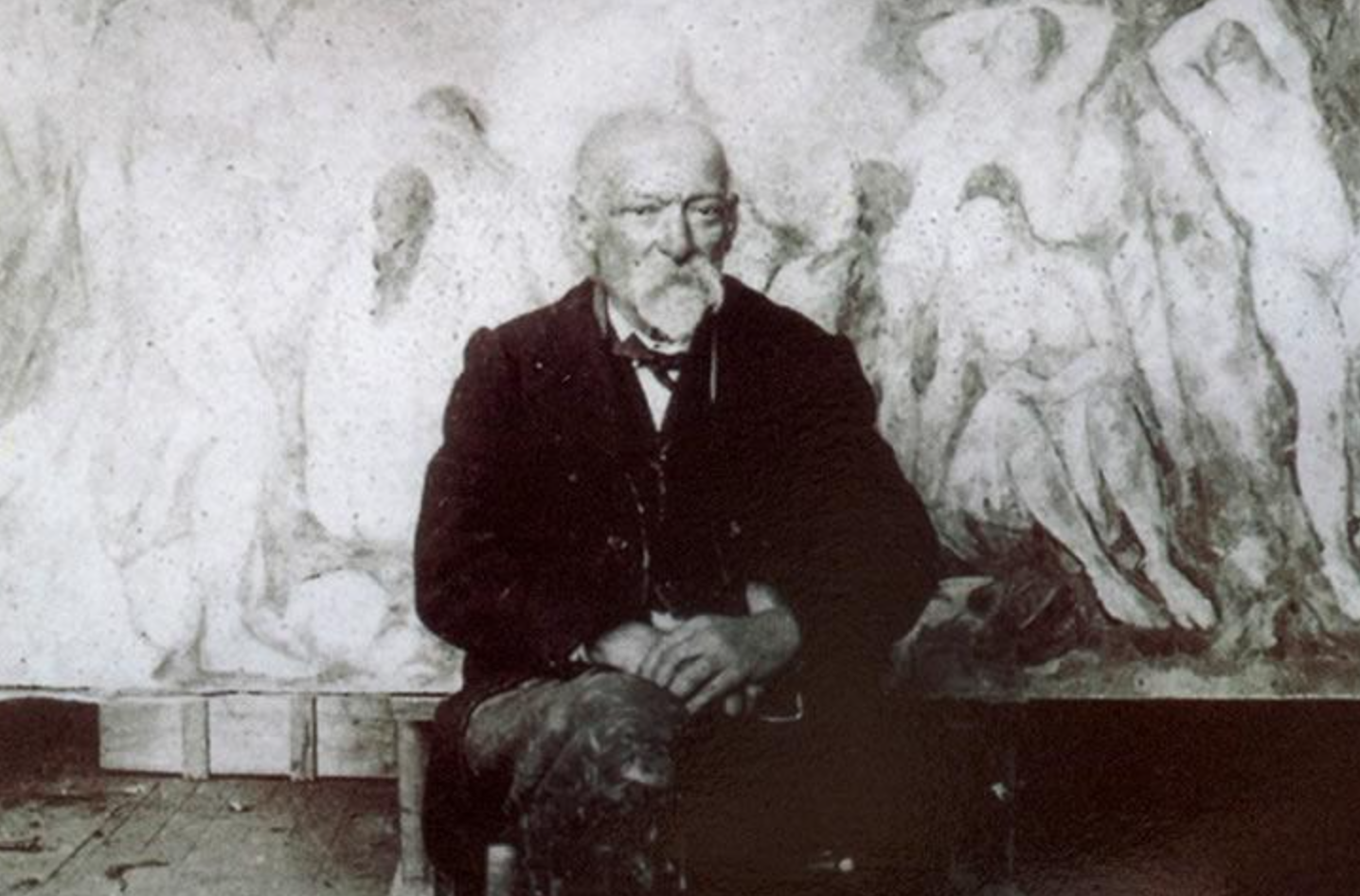
In October 1906, while painting outdoors during a storm, Cézanne collapsed and was brought back to his apartment in a laundry cart. He died on October 22, 1906 at age 67. His son sold the studio to Marcel Provence, who carefully preserved it until 1951, leaving it untouched just as the artist had left it.
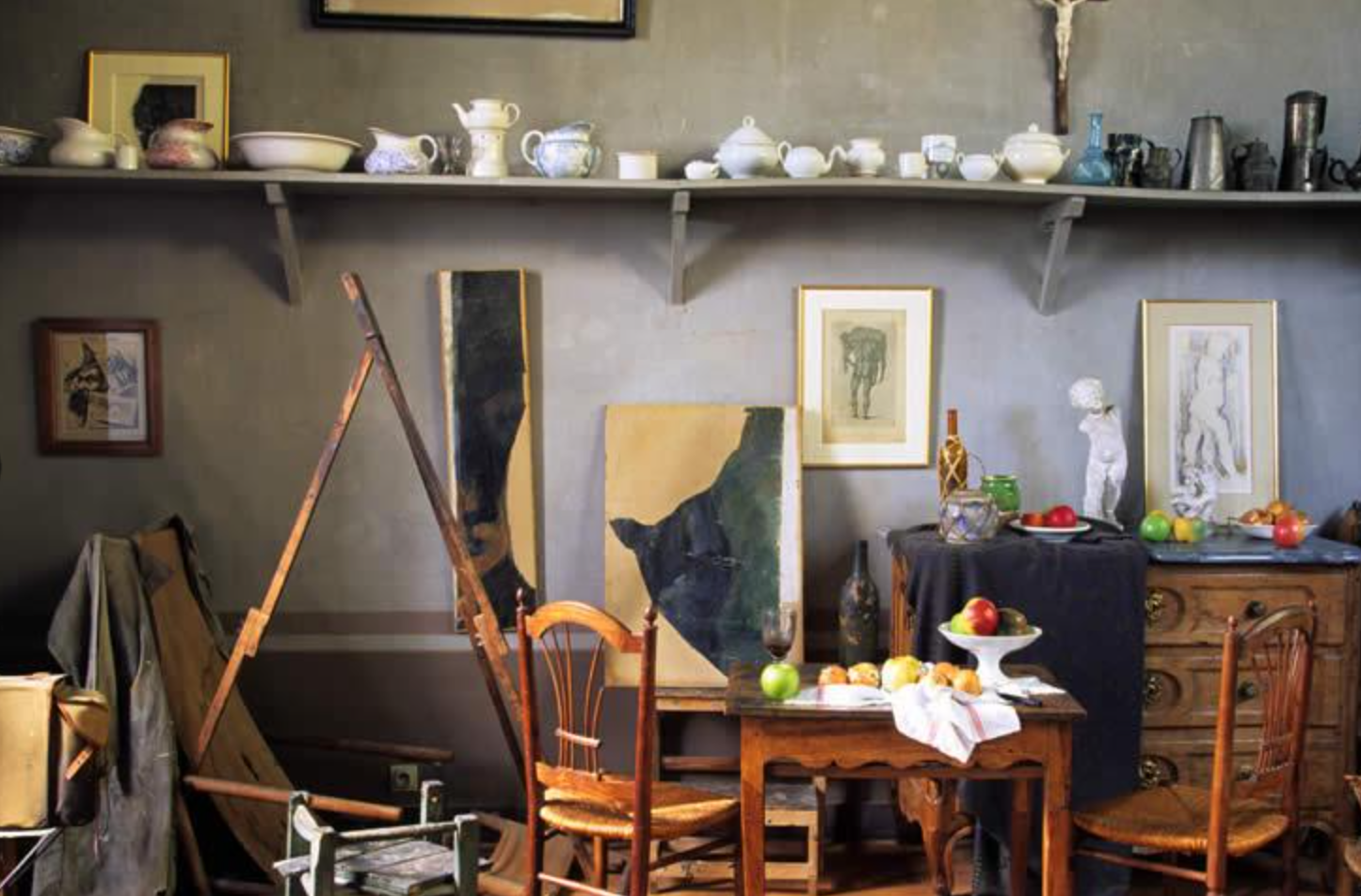
In 1952, art historian John Rewald and writer James Lord established the Cézanne Memorial Committee and raised funds to purchase the property. The studio opened as a museum on July 8, 1954 and is now owned by the Aix Tourist Office. The studio preserves his easel, paint pots, work clothes, plaster casts, and the still life models he painted: bottles, pottery, paper flowers, and fabrics. Following major renovation for the Cezanne 2025 celebrations, visitors can now access the ground floor rooms including the kitchen, dining room, and living room.