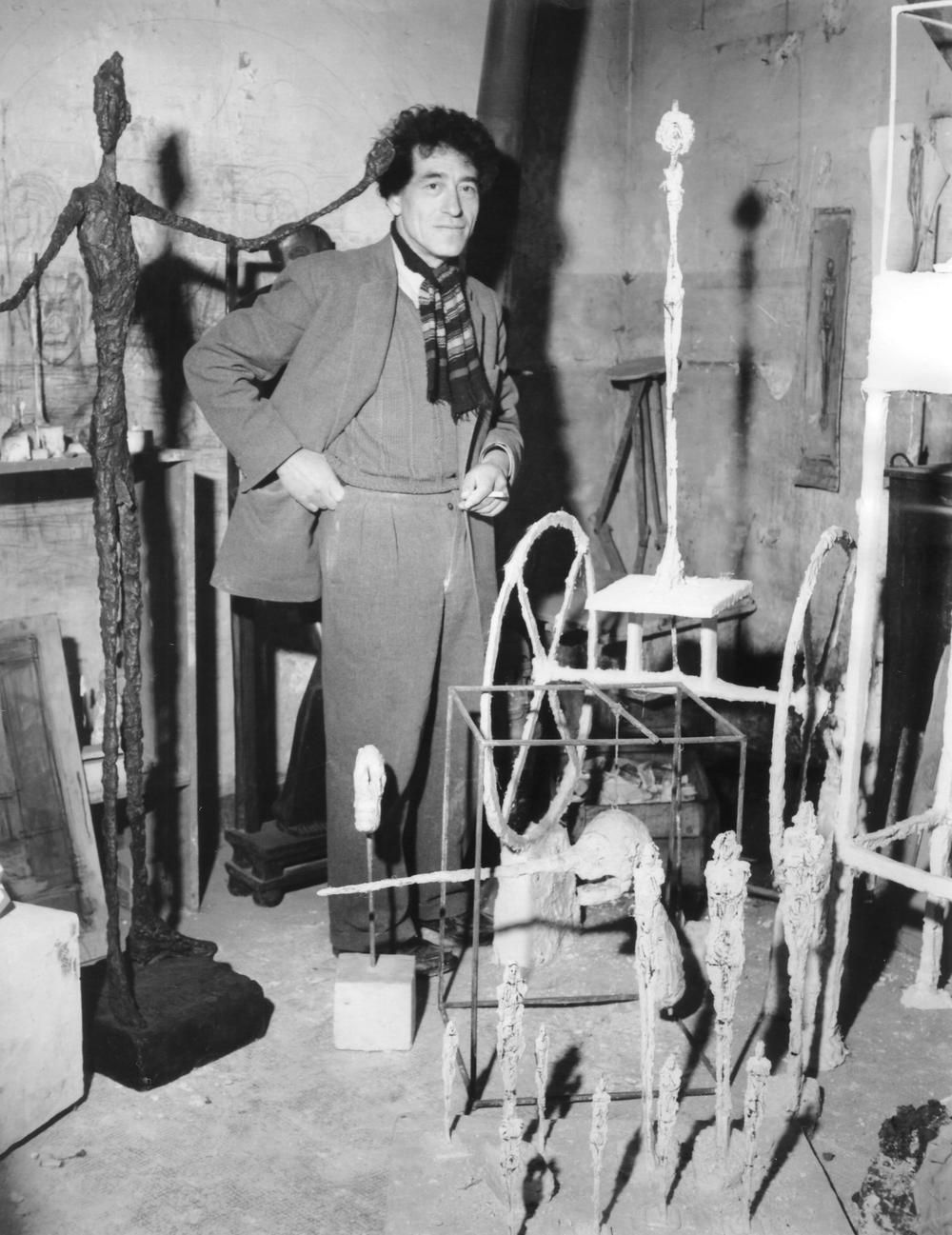
ATELIER DE GIACOMETTI
- Alberto Giacometti
3 bis cour de Rohan, 75006 Paris, France
Alberto Giacometti is widely acknowledged as having made some of the most important contributions to Surrealist sculpture in the 1930s, later becoming influential for his elongated human figures that captured the essence of postwar existential thought.
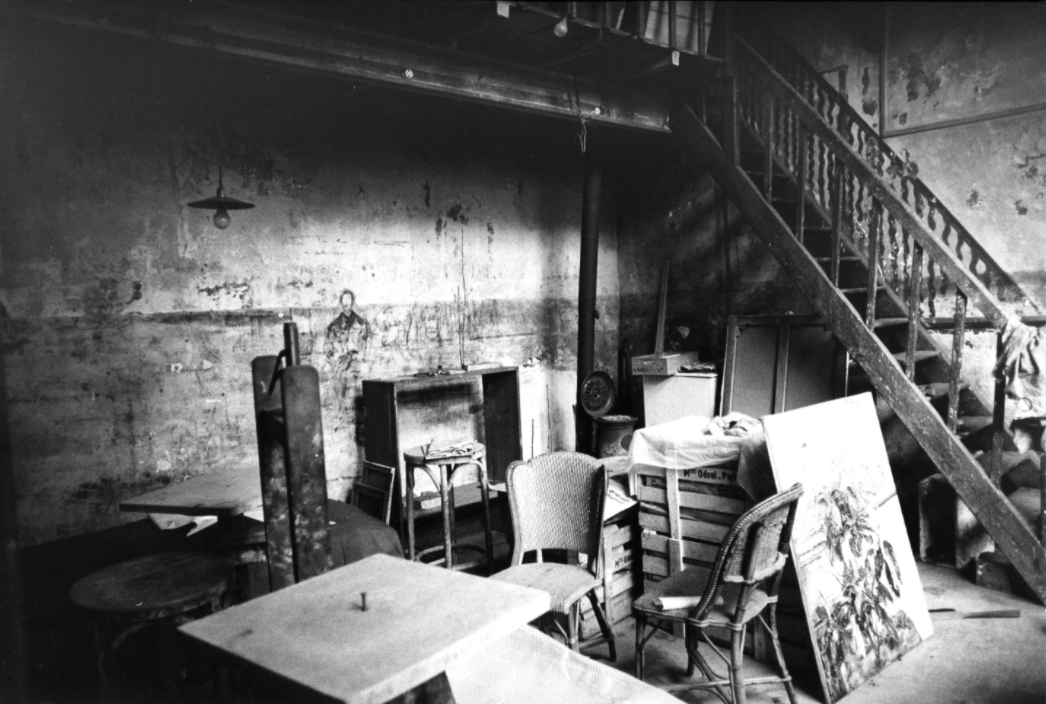
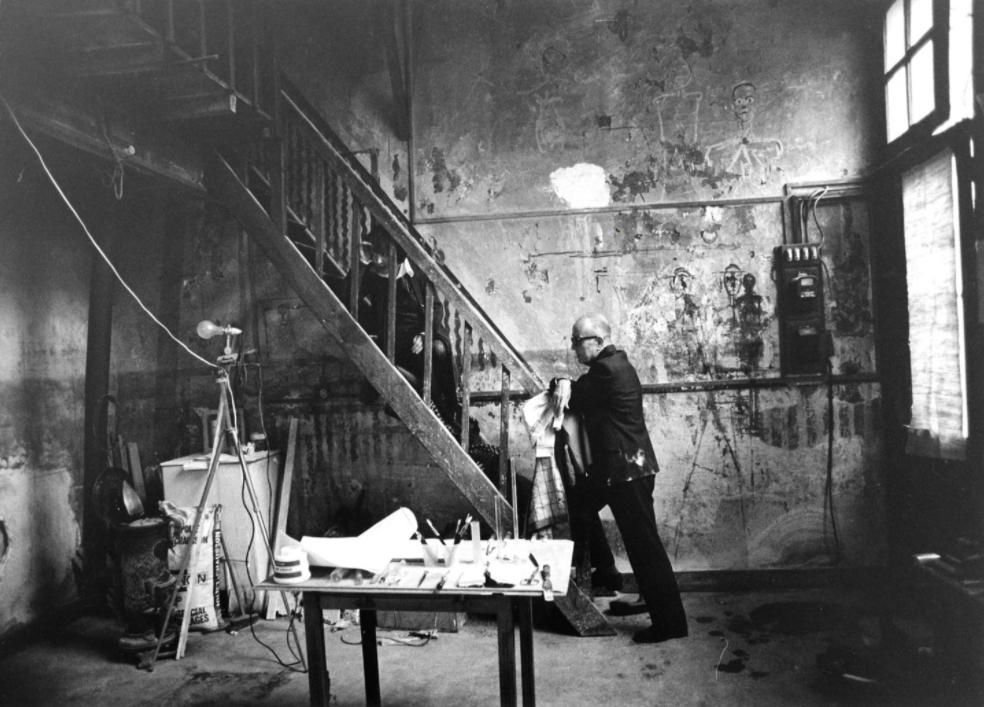
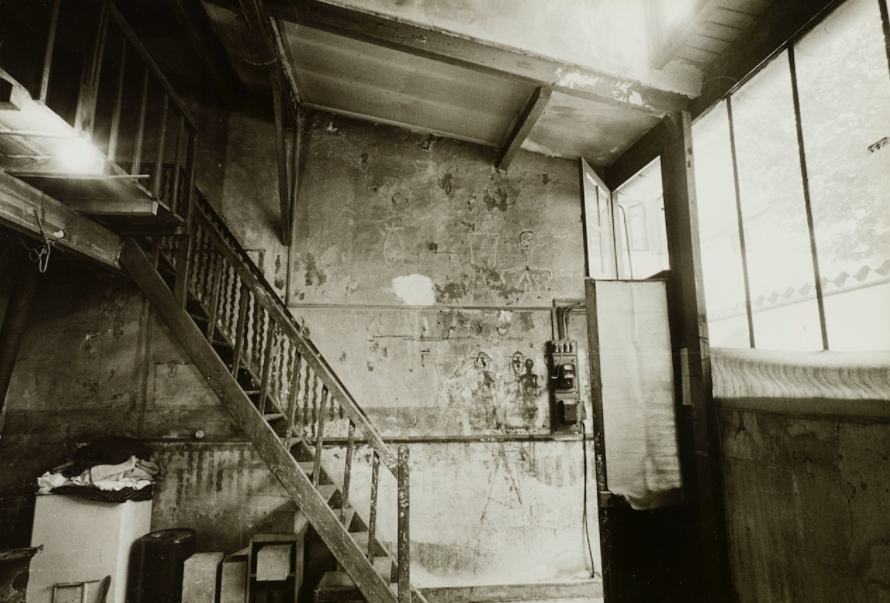
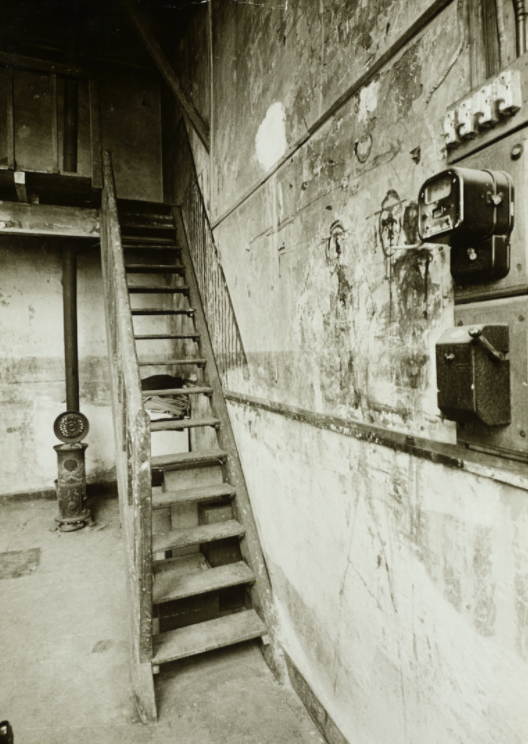
In 1926, Giacometti moved into a tiny 23 square meter studio on Rue Hippolyte-Maindron near Montparnasse. He later recalled, the longer he stayed, the bigger the studio became. His brother Diego joined him in 1929, becoming his assistant and making the pedestals and metal structures for Alberto's plaster sculptures. The studio was so narrow that Giacometti sometimes would carry his works out to the street to judge their scale properly.
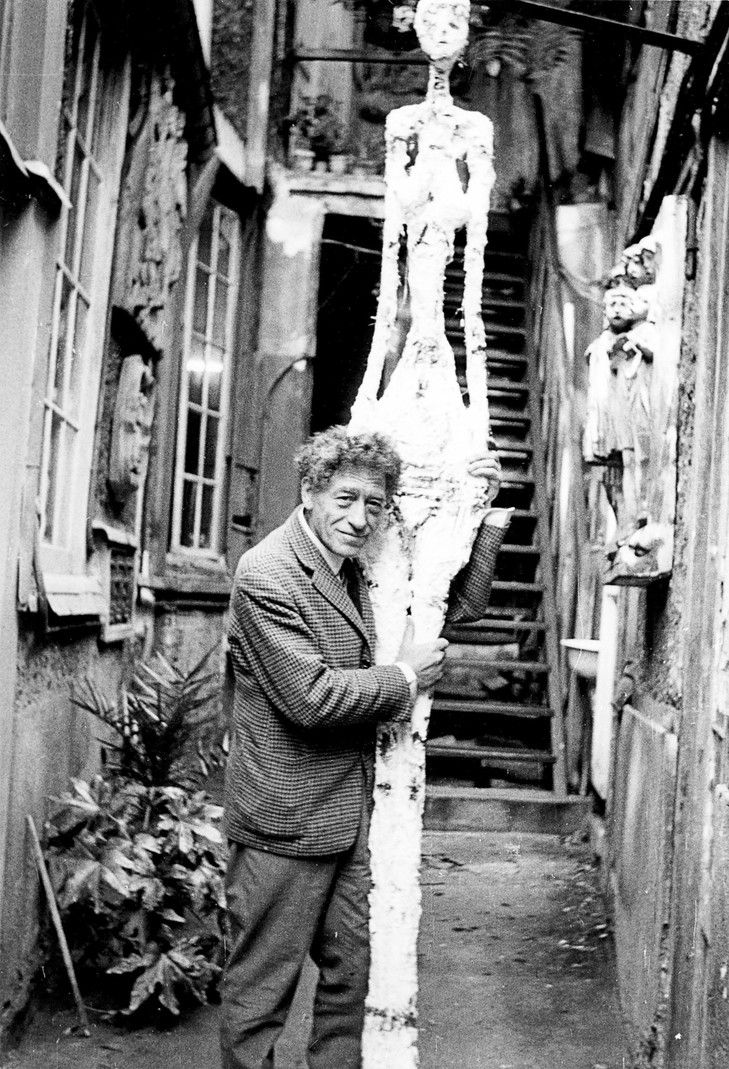
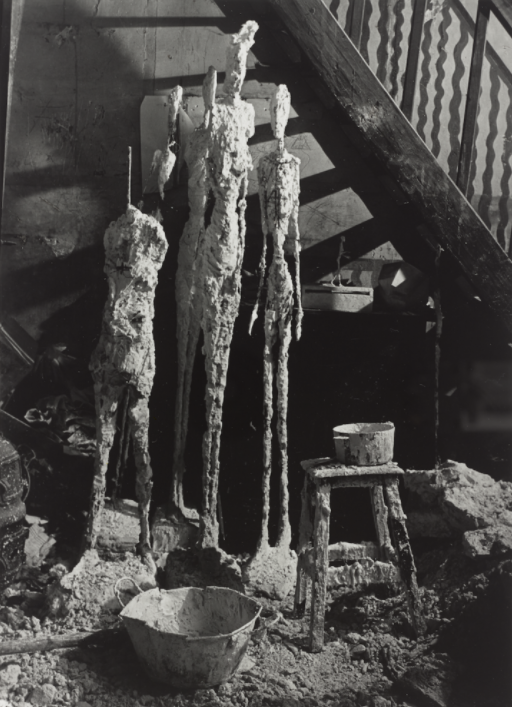
The space was chaotic and crowded with books, drawings, and plaster sculptures everywhere. He sketched directly on the walls and worked surrounded by paint-splattered surfaces, brushes, and ephemera. When he died in 1966 at age 64, the sculpture he had been working on that final day remained on his pedestal.
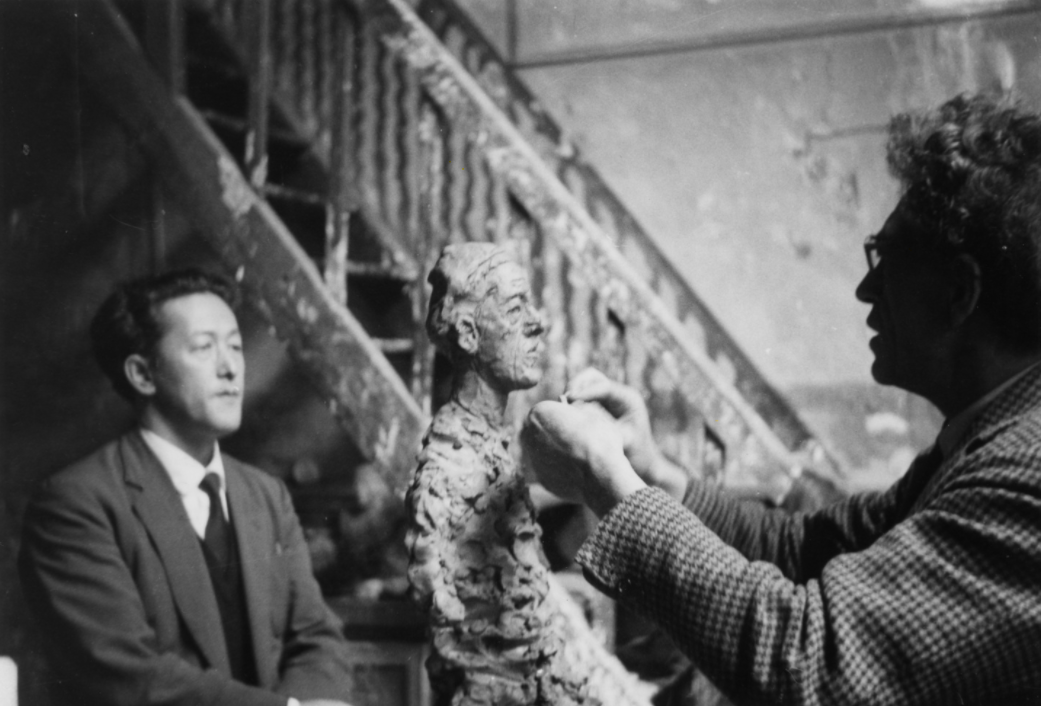
Annette Giacometti, who he had married in 1949, removed everything from the studio after his death, including tools, art supplies, sculptures, prints, photos, furniture, and the plaster walls he had scribbled on. The Institut Giacometti opened in 2018 in a former Art Deco mansion designed by Paul Follot, just one kilometer from the original studio. The meticulous reconstruction required extensive work, including verification and inventory, preventive conservation studies, and restoration. The result is an intimate recreation where only 40 visitors at a time can experience the studio of one of the 20th century's most influential sculptors.